
News
1 February: what is being celebrated today
1 February brings together two opposing but complementary sensibilities: compassion for animals that suffer and the ancient spirituality that announces the arrival of spring. It is a date that unfolds between shelters where greyhounds recover their dignity and homes lit by candles that evoke Imbolc, one of the oldest rituals in the Celtic calendar. At the same time, the Semana Mundial de la Armonía Interconfesional begins around the world, a reminder of the dialogue we need in order to live together.
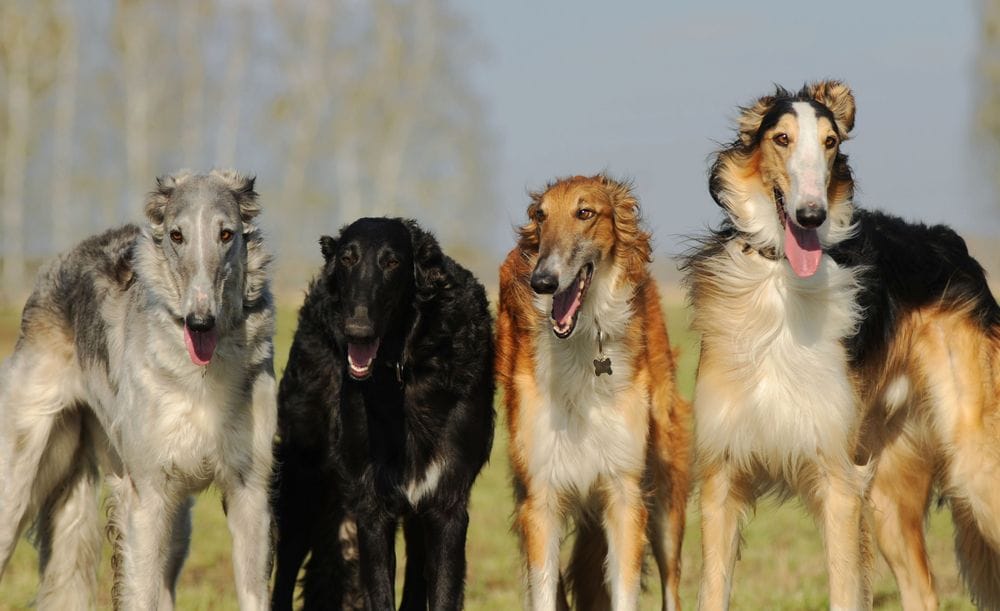
World Greyhound Day
Every 1 February, coinciding with the end of the hunting season in Spain, thousands of voices come together to denounce the systematic abuse suffered by greyhounds. For months, many of them have been kept confined, trained cruelly and used as disposable tools. When they cease to be “useful”, abandonment or death follows, in a cycle that various associations have spent decades trying to break.
Animal rescue organisations work every year with shocking figures: it is estimated that up to 100,000 greyhounds may be abandoned, injured or killed. Yet those that are rescued reveal a surprising nature: elegant, sensitive, quiet and deeply affectionate, they become loyal companions for those who choose to offer them a home. This international day was created to raise awareness, demand structural change and increase adoptions.
World Greyhound Day is not only a denunciation: it is an invitation to see these animals not as instruments, but as beings that deserve care, respect and a dignified life. Sharing information, supporting associations and promoting adoption are gestures that can transform a reality marked by cruelty.
Imbolc
Meanwhile, this same 1 February opens a bright cycle in Celtic traditions: Imbolc, the festival marking the transition from winter to spring. Its name —i mbolg, “in the belly”— evokes the awakening of life: the start of sheep lactation, the first light returning, the earth beginning to warm. It is a day associated with Brigid, goddess of fire, poetry and craftsmanship, whose presence symbolises purification, inspiration and renewal.
Imbolc is an intimate festival, made up of small gestures: cleaning the house to let energy flow, lighting candles in honour of the sacred fire, leaving a cloak outdoors for Brigid to bless, or pouring out the first milk of the milking as an offering to the earth. In Ireland, Scotland and Wales, traditional versions of this celebration, which has endured through the centuries, remain alive.
Today, neopagans around the world observe it as a reminder that the cycle of nature continues on its course. Imbolc invites us to contemplate the rebirth that is to come and to prepare our own inner selves for that change.
World Interfaith Harmony Week
(1 to 7 February)
In parallel, 1 February begins a week proposed by the UN to remind us that there can be no global peace without dialogue between cultures and religions. Since 2011, this observance has promoted gatherings, debates, community activities and interfaith projects that build bridges between diverse beliefs. Its origin lies with the United Nations and the initiative of King Abdullah II of Jordan, who promoted the idea of creating a global space for coexistence.
The week underlines that sustainable development, international cooperation and social resilience can only be built on mutual respect. In previous years, its themes have ranged from the role of diasporas to reconciliation, forgiveness, community assistance or joint action in the face of emergencies. Today, it remains a reminder that spiritual diversity can be a force for peace, rather than a source of conflict.