
News
10 February: what is celebrated today
10 February is a day woven with three very different threads: the silent fertility of the earth, the fragility of a species fighting to survive and the human reality of an illness that still requires understanding. A day that moves from the kitchen to the savannah, from the laboratory to collective memory, and that reminds us how the small — a grain, an elusive feline, an electrical discharge in the brain — can reveal larger stories about our relationship with the planet, with others and with ourselves.
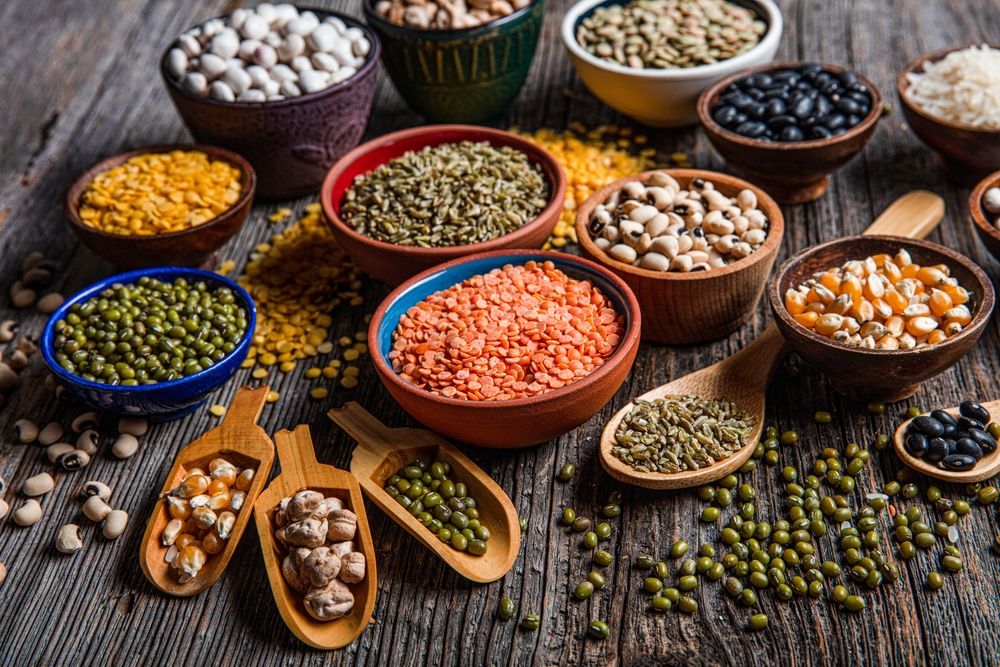
World Pulses Day
Pulses have accompanied humanity since ancient times, but only recently have they received the recognition they deserve. Since 2019, World Pulses Day has highlighted these humble grains—beans, chickpeas, lentils, peas—whose importance goes beyond the kitchen. They are food, yes, but also a tool against hunger, an ally for health and an ecological resource that regenerates soils without the need for chemical artifices. Its 2025 motto, «Diversity for our food systems», is not just a slogan: it is a warning and a promise.
The initial impetus came from the FAO, which in 2016 declared the International Year of Pulses. Since then, their standing has grown thanks to their accessibility, nutritional value and adaptability to diverse agricultural contexts. On a planet marked by inequalities and climate crises, these grains offer a sustainable alternative: resilient, economical crops capable of fixing nitrogen and restoring life to soils. A small plant revolution that connects the farmer with the diner and sows the future.
Celebrating this day means looking at the pantry with different eyes: discovering how a chickpea salad, a lentil stew or a plate of beans tells the stories of entire communities. Pulses are a reminder that nourishment and fairness can go hand in hand; that food nourishes not only bodies, but social systems and entire ecosystems. In their apparent simplicity lies a force capable of transforming habits, economies and landscapes.
International Arabian Leopard Day
On 10 February, lights are also switched on in the Middle East to pay tribute to a feline that has almost disappeared from the map. International Arabian Leopard Day, officially established in 2023, was born as a global call to protect one of the smallest and most threatened leopard subspecies on the planet. An inhabitant of the mountains of Yemen, Oman and the Negev region, this animal is a cultural symbol and national pride, but its actual presence has dwindled to a critical point.
Habitat loss, poaching and human pressure have meant that scarcely any specimens remain in the wild today. Faced with this crisis, Saudi Arabia, Oman and other regional bodies have launched conservation programmes, created nature reserves and developed captive-breeding projects. Organisations such as Catmosphere and the Arabian Leopard Fund work in coordination to restore space and safety to the species, and to raise public awareness of its importance to ecological balance.
Commemorating this day means recognising that the survival of the Arabian leopard is not only a biological challenge, but also a cultural one: preserving a species is preserving a history, a landscape, a shared story. Every campaign, every regenerated reserve, every scientific study is a step towards preventing this animal from disappearing altogether, and towards reminding us that biodiversity is not a luxury, but a pillar of our own survival.
International Epilepsy Day
The second Monday in February, coinciding this year with the 10th, is dedicated to International Epilepsy Day. This observance, promoted since 2015 by international medical organisations, seeks to destigmatise a neurological condition affecting around 65 million people. Epilepsy, as old as human history, has been surrounded by superstitions, fears and prejudices; part of this celebration consists precisely in dismantling those myths and explaining the clinical reality of a disorder that can be treated and better understood.
The day invites reflection on the quality of life of those living with epilepsy: access to treatments, proper diagnosis, emotional support and public-health policies that reduce inequalities. It also reminds us that one of the greatest obstacles continues to be social discrimination, fuelled by ignorance. Indeed, great figures of culture—such as Dostoevsky, who portrayed the condition in unforgettable characters—show that epilepsy is part of the human experience, not a stigma.
Taking part in this day may mean attending a talk, reading testimonies, learning about research advances or simply sharing verified information on social media. The aim is shared: to build a more compassionate and scientific outlook that supports those living with this condition and promotes more research, more resources and more empathy.