
News
10 July: what is celebrated today
There are dates that look like a collage: a band that changed the century, an animal that inspires tenderness effortlessly and a health cause that needs to be seen. 10 July brings all this together: popular culture, nature and health. Three different reminders of the same thing: life is sustained better when we look at it attentively.
International Beatles Day (10 July)
10 July appears on the Beatlemania calendar for a very specific reason: in 1964, the band returned to Liverpool after its tour of the United States, precisely in the context of the premiere of A Hard Day’s Night. For many fans, that triumphant return sums up the cultural explosion of the era: music that was no longer just music, but a shared language.
The curious thing is that The Beatles have “several” celebration dates. 16 January is usually associated with the opening of the Cavern Club, while 6 July is linked to the meeting between Lennon and McCartney. None is official, but all tell a part of the myth.
Perhaps that is the key to the phenomenon: The Beatles do not fit into a single day. They continue to function as the soundtrack to collective memory, capable of connecting generations without asking permission.
Capybara or Carpincho Appreciation Day
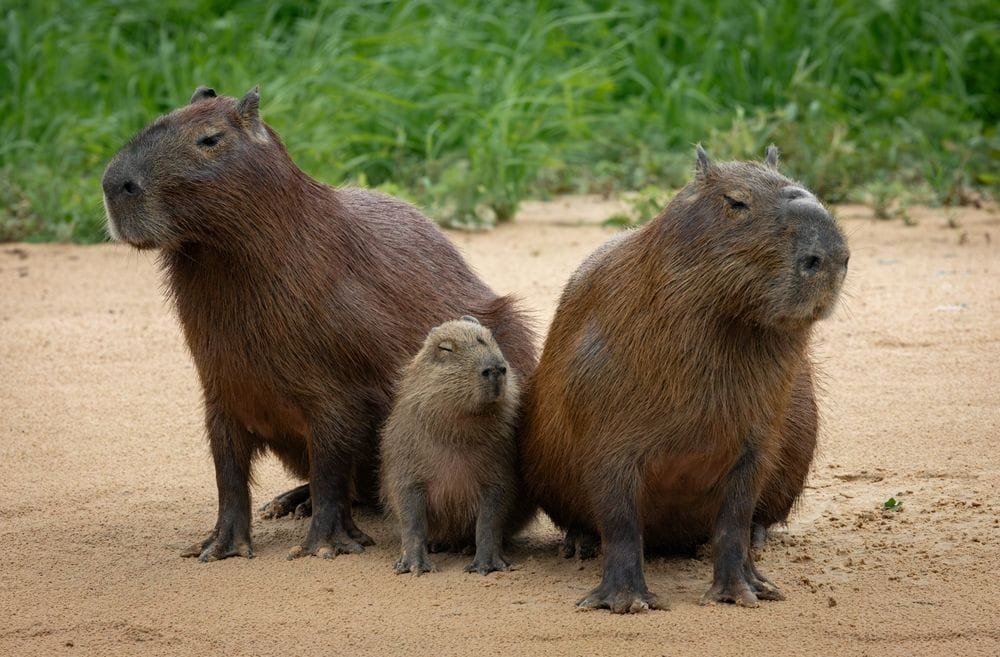
The capybara — or carpincho — has something unusual about it: its fame does not depend on spectacle, but on calm. It is the world's largest rodent and yet its “superpower” seems to be coexistence: it is seen with other animals, moves in groups and lives near water like someone choosing a quiet neighbourhood.
Behind that endearing image is a simple lesson. Capybaras remind us that nature does not always have to shout to be extraordinary: sometimes it is enough to endure, adapt and sustain life in community.
Celebrating this day can be as simple as learning about its habitat, supporting wetland conservation or sharing responsible information that does not turn these animals into a consumer trend.
World Glut1 Day
10 July also draws attention to a far less visible reality: glucose transporter type 1 disorder (Glut1), a rare genetic disease that makes it difficult for the brain to receive the energy it needs. It is not merely a technical name: it usually involves seizures, developmental delays and daily challenges for patients and families.
Early diagnosis is key because it changes the course. In many cases, the main treatment is the ketogenic diet, which provides the brain with an alternative source of energy. But beyond treatment, something is needed that is not prescribed: support, social understanding and real access to specialists.
This day exists for that purpose: so that a rare condition does not mean an invisible life. Talking about Glut1 opens up space, and that space heals too.