
News
11 December: what is celebrated today
On 11 December, humanity looks towards two different but equally high summits. One is natural and sacred: the planet’s mountains, guardians of water and air. The other is cultural and emotional: Argentine tango, that melody that turns nostalgia into art. Two celebrations united by the same idea: height — that of the rising earth and that of the soul seeking expression.
International Mountain Day
Since 2002, the UN has celebrated International Mountain Day every 11 December to remind us that these silent giants cover more than a fifth of the planet and sustain the lives of one billion people. Between 60 and 80% of the world's fresh water springs from them; in them are born the energy that moves rivers and turbines, the air we breathe and the myths that sustain us.
The 2024 slogan, “Mountain solutions for a sustainable future”, focuses on innovation, climate adaptation and young people's role in preserving these fragile ecosystems. Because climate change does not only melt glaciers: it also erases entire cultures, displaces communities and makes landscapes disappear that for centuries were a compass and a refuge.
Mountains are more than geography: they are symbols of resistance. From Japan's Fuji, which at every dawn seems to touch the sky, to Everest, which keeps the dreams (and footprints) of those who challenge it. Where life seems impossible, the mountain teaches its highest lesson: humility.
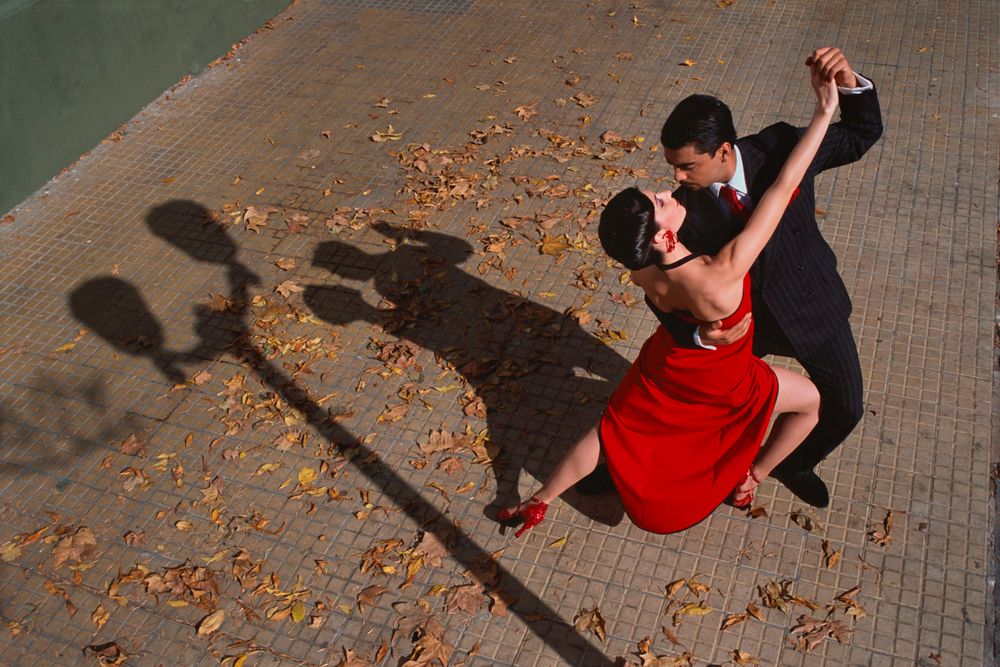
National Tango Day
At the other end of the map —and of emotion— Argentina also celebrates National Tango Day every 11 December, a tribute to two giants born on the same date: Carlos Gardel, the soul of the Buenos Aires song, and Julio de Caro, the innovator who gave the genre its modern form.
Tango was born among immigrants, brothels and ports; a mixture of European melancholy and African rhythm, of street lunfardo and aching poetry. Over time, that music of the outskirts became a universal language. In 2009, UNESCO declared it Intangible Cultural Heritage of Humanity, recognising its power to tell what words leave unsaid: nostalgia, loss and desire.
Gardel, with his smoky voice and elegance, gave tango an eternal dimension. “Volver”, “Por una cabeza”, “El día que me quieras” —each of his songs is a story of love and destiny, a bridge between Buenos Aires and the world. In every beat there is a promise: that beauty can also be born from sadness.