
News
11 February: what is celebrated today
11 February is a day that moves through very different callings, all essential to imagining a fairer future. From science, where women and girls seek the place historically denied to them, to the invisible network that protects life — medicine, solidarity with the sick and emergency services — this date draws a map of care. A day to recognise intelligence, courage and dedication, and also to imagine the world we could build if everyone had the same opportunities to learn, heal and serve.
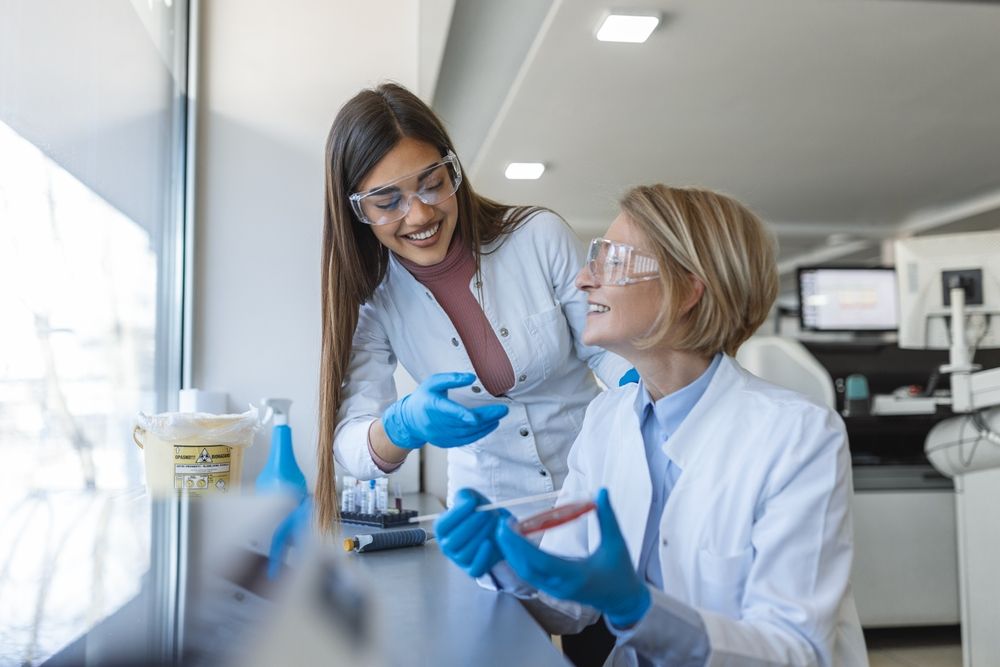
International Day of Women and Girls in Science
Since 2015, this day has highlighted evidence that we took far too long to acknowledge: science needs women just as much as women need spaces where their talent can unfold without barriers. The 2025 theme, “Building a future for women in the scientific field”, points directly to the central challenge: correcting decades — and even centuries — of structural inequality in STEM disciplines, where women are still a minority in many countries.
Scientific history is full of names that shine brightly — Marie Curie, Ada Lovelace, Vera Rubin, Margarita Salas — but also of silences: research attributed to men, discoveries ignored, careers cut short by social prejudice. Today, women writers, science communicators and young researchers are working to recover that memory and turn it into inspiration for girls who dream of laboratories, observatories or data centres. Literature, cinema and essays have begun to tell these stories through a new lens, aware of everything left out of textbooks.
Contemporary science cannot move forward without diversity or equality. And this day reminds us clearly: to address global challenges, from climate change to public health, we need every voice. Celebrating this day means committing to inclusive education, to inspiring role models and to policies that open doors where they were once closed.
Safer Internet Day
That same 11 February, the world also turns its gaze to the digital space, a territory that offers immense possibilities but also risks that grow at the same pace as technology. Since 2004, Safer Internet Day has called for building a safer internet, especially for children and young people, who navigate between benefits and dangers with a naturalness that sometimes makes them vulnerable.
The internet has transformed learning, leisure, communication and work, but it has also opened the door to disinformation, harassment, data theft and emotional manipulation. This international day seeks to develop digital citizenship: people able to protect their privacy, identify harmful behaviours, use secure connections and foster a responsible culture. “Together for a better Internet” is more than a slogan; it is a collective commitment to ensure that technology is a tool, not a threat.
Celebrating it means educating, talking and supporting: speaking with younger people, reviewing habits, sharing resources and promoting more ethical digital spaces. In a hyperconnected era, safety is a shared task.
World Women Doctors' Day
11 February also pays tribute to Elizabeth Blackwell, the first woman to obtain a medical degree in the United States. Her story, marked by rejections, mockery and titanic efforts, opened a door that today allows thousands of women to practise medicine with authority and recognition. She symbolises all those professionals who transformed public health and who, in many cases, practised under adverse conditions.
History is full of pioneering women doctors: from Metrodora in ancient Greece to Gertrude B. Elion and Françoise Barré-Sinoussi, whose discoveries saved millions of lives. This day recalls their contributions and points to a path that still requires equity: access to leadership positions, fair working conditions and recognition free from stereotypes. Film and television have brought several of these stories to the screen, multiplying role models for younger generations.
Celebrating this date means being grateful for a dedication sustained by vocation, knowledge and strength. And recognising that when a woman gains access to medicine, society as a whole benefits.
World Day of the Sick
Established by John Paul II in 1992, this day seeks to reinforce the bond of care and solidarity with those experiencing illness, pain or frailty. The date coincides with the feast of Our Lady of Lourdes, a symbol of comfort and hope for millions of believers who make pilgrimages to the French grotto convinced of the healing power of faith. Beyond religion, the day proposes a fundamental human gesture: being there for others.
Illness changes the rhythm of life and makes our vulnerabilities visible. Visiting, listening, easing suffering, donating, sharing time: these are simple actions that can turn a dark day into a bearable one. World Day of the Sick invites us to look around, identify silent needs and practise solidarity that transcends creeds and borders. At heart, it is an invitation to remember that all of us, sooner or later, will need the same empathy.
112 Emergency Services Day
112 is one of the great unobtrusive inventions of modern life: a number anyone can dial at a critical moment which activates a chain of professionals trained to intervene quickly. Since 2009, 112 Day has recalled its importance and promoted its proper use in all European Union countries. A call to 112 can mean the difference between danger and safety, between chaos and rescue.
The creation of this unified number responds to a basic need: that in an emergency, no one should waste time searching for information. Ambulances, firefighters and police coordinate their efforts to respond efficiently, regardless of where the incident occurs. However, many people still do not know it exists or are unsure when to use it. The day invites the dissemination of clear information and education from an early age in its responsible use.
More than a technical observance, this day recognises the work of those who, every second, sustain the invisible structure that protects the population.