
News
11 July: what is celebrated today
11 July brings together commemorations that look to the past, present and future at the same time. It is a day to recognise ancient links between humans and animals, to reflect on how humanity grows and organises itself, and to pause before a historical wound that still demands memory and collective responsibility.
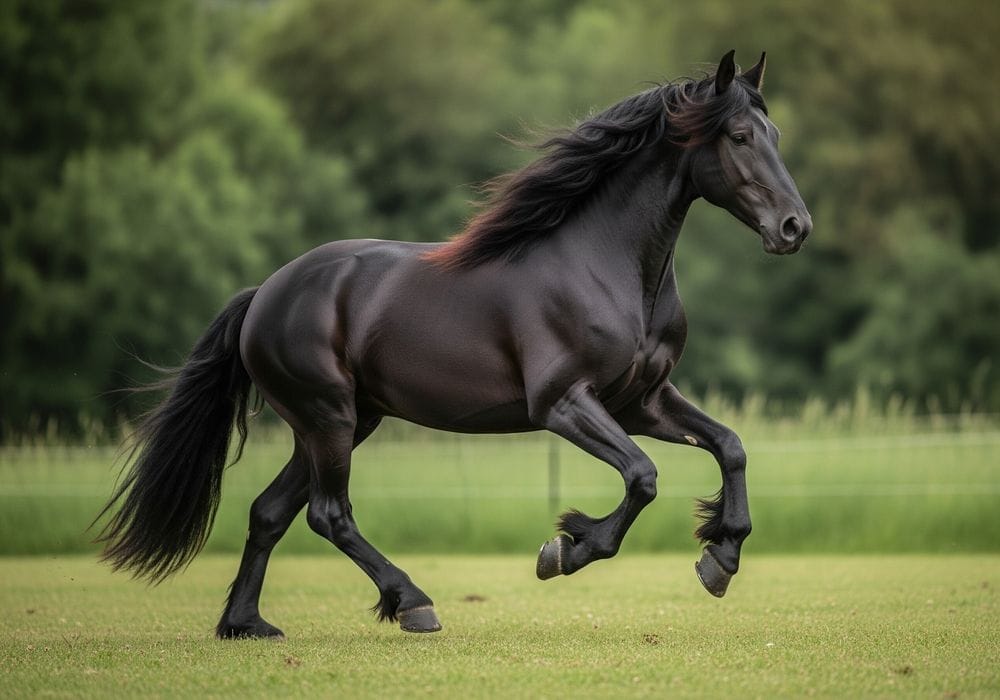
World Horse Day
Since 2025, 11 July has officially celebrated the horse, an animal whose contribution to human progress has been profound and quiet. For centuries, horses ploughed fields, transported people and goods, accompanied wars and migrations, and helped build entire economies and cultures.
Today their role has changed, but it has not disappeared. They remain present in sport, culture, rural work and also in therapies that help heal body and mind. This day does not only look to the past: it invites protection of their welfare in the face of current challenges such as climate change and new forms of exploitation.
World Population Day
11 July also focuses on a global question: how do we live when there are so many of us? World Population Day, promoted since 1989, seeks to raise awareness about the demographic, social and economic challenges that accompany the growth — and ageing — of humanity.
Beyond the figures, today’s debate centres on people. In particular, on young people and their real right to decide whether they want to start a family, when and under what conditions. Talking about population means talking about rights, access to reproductive health, gender equality and opportunities to plan a dignified life.
International Day of Reflection and Commemoration of the Srebrenica Genocide
Since 2024, 11 July has also been a day of international remembrance. The UN General Assembly has declared it a day of reflection and commemoration of the Srebrenica genocide, which occurred in July 1995 during the Bosnian war.
More than eight thousand Bosnian Muslim men and boys were murdered in an area that had been declared “safe”. Remembering Srebrenica is not a symbolic gesture: it is a warning. Memory serves to combat denial, honour the victims and reaffirm the commitment to genocide prevention and the defence of human rights.