
News
14 September: what is celebrated today
14 September invites us to look upwards and inwards: to contemplate the grandeur of the Moon in the night sky and remember the importance of caring for our own skin, especially when facing conditions such as atopic dermatitis. Two different observances—International Observe the Moon Night and World Atopic Eczema Day—remind us that both in the universe and in our bodies there are worlds to discover and protect.
International Observe the Moon Day
On 14 September 2024, a new edition of International Observe the Moon Day will be held, an initiative promoted by NASA through the Lunar Reconnaissance Orbiter mission and the Solar System Exploration Division of the Goddard Space Flight Center.
This date aims to bring science closer to the public and spark curiosity about our natural satellite, sharing knowledge about its geology, its phases and space exploration programmes. Astronomers, educational institutions and observatories around the world take part so that, when we raise our eyes to the sky, we know a little more about that silent companion of Earth.
Brief history of the observance
The first celebration took place in 2010, and since then it has become a global event. It should be distinguished from International Moon Day, proclaimed by the UN, which is celebrated every 20 July in honour of humankind's arrival on the lunar surface in 1969.
The Moon: our nearby satellite
With a diameter of 3,476 km and at a distance of about 384,400 km, the Moon influences tides, the length of days and even human cultures from ancient times. Its phases — from the new moon to the full moon and its waning — make up a 29.5-day cycle that we continue to observe with wonder.
World Atopic Dermatitis Day
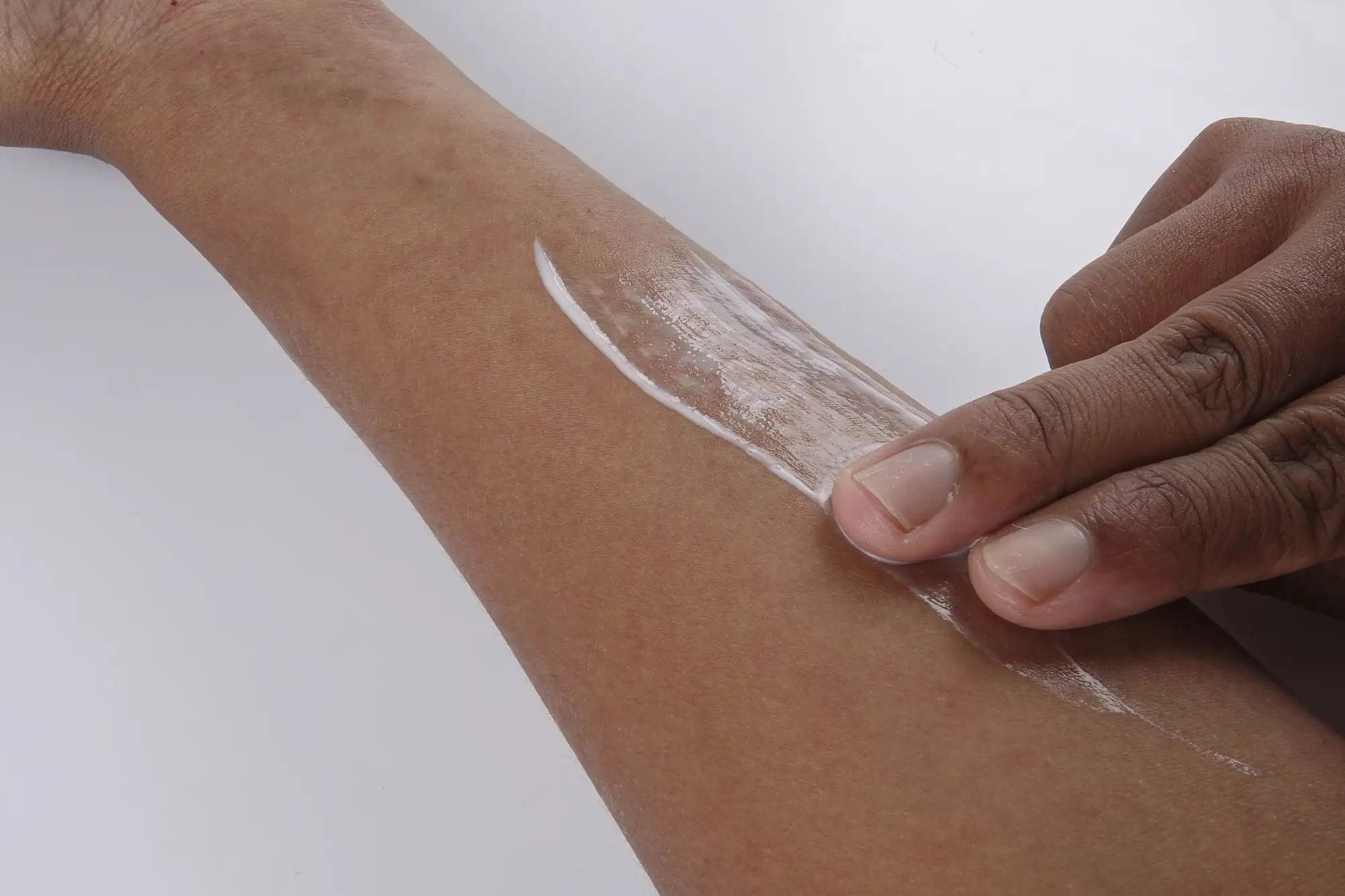
14 September is also devoted to raising awareness of a very different but equally important condition: atopic dermatitis, a chronic inflammatory skin disease which, although not contagious, affects the lives of those who suffer from it.
Beyond itching and skin lesions, this disease can affect self-esteem, sleep, social relationships and even children's school performance. It is estimated that a large proportion of cases appear during the first year of life, although it can persist into adulthood.
Most common symptoms
Dry, cracked skin.
Red or brown patches.
Recurring eczema flare-ups.
Intense, troublesome itching.
Bumps on babies' cheeks.
Diagnosis and treatment
A dermatologist diagnoses it through clinical examination and family history. Treatment may include corticosteroid creams, antihistamines, phototherapy and, in some cases, psychological support. In addition, it is recommended to:
Moisturise the skin daily.
Wear cotton clothing.
Avoid allergens and extreme temperatures.
Maintain appropriate hygiene routines.
Science and health: one shared horizon
Thus, 14 September reminds us that observing the sky and caring for our skin have something in common: curiosity and respect for what gives us life. The Moon, with its changing light, inspires humanity; the skin, with its fragility, reminds us of our own vulnerability. Both deserve attention, knowledge and care.