
News
15 December: what is celebrated today
15 December brings together two very different worlds, driven by the same passion: creativity. One emerges from the colourful universe of manga and anime; the other, from the dream of a common language that unites all humanity. Both share the same force: the desire to communicate, imagine and share.
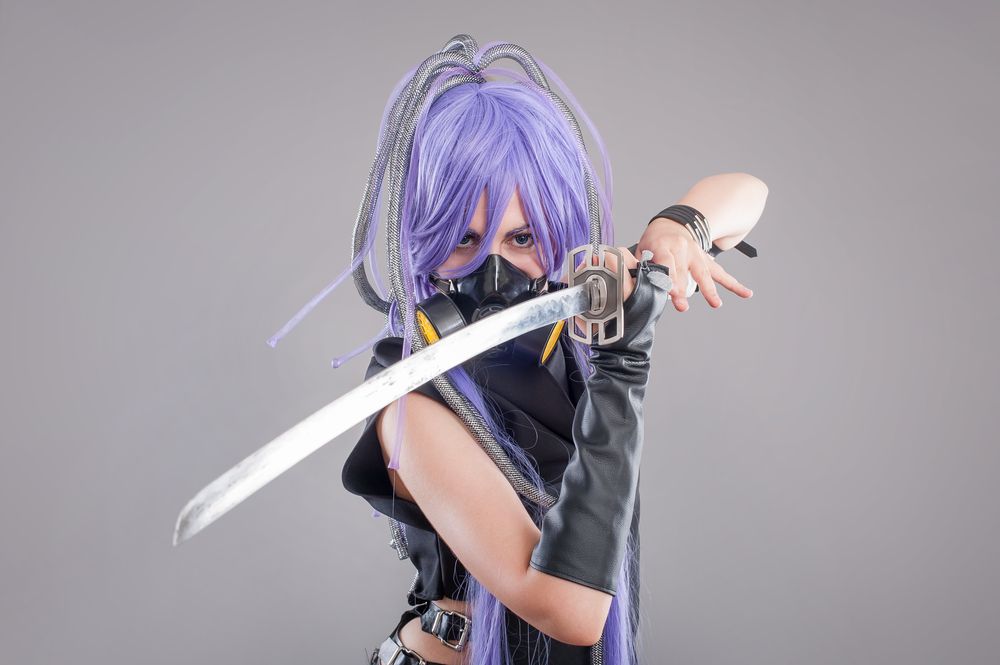
World Otaku Day
Every 15 December, social media fills with illustrations, anime marathons and colourful costumes. It is World Otaku Day, an unofficial date but one widely celebrated by the global community of fans of manga, anime and contemporary Japanese culture.
The origin of this observance dates back to 15 December 1983, when Japanese journalist Akio Nakamori used the word otaku for the first time in the magazine Burikko. Over time, the term — which in Japan came to carry a somewhat pejorative connotation, associated with obsession — was proudly adopted by those who live and breathe Japanese pop culture.
Being an otaku today means celebrating boundless imagination: the worlds of Studio Ghibli, the heroes of Naruto, the futuristic epic of Akira or the tenderness of Your Name. It is also a form of global community, where millions of people share their creativity through art, cosplay or music.
Zamenhof Day
On that same day, in a less visual but equally idealistic dimension, Zamenhof Day is commemorated, in honour of the birth of Esperanto's creator, Ludwik Lejzer Zamenhof (1859–1917). A Polish doctor and tireless dreamer, Zamenhof wanted to build a universal language that would unite peoples beyond borders and nationalisms.
In 1887 he published his Unua Libro, with the 16 basic rules of Esperanto. His idea was simple and revolutionary: an easy, neutral and fraternal language that would make understanding between cultures possible. The Esperanto movement quickly spread across Europe and America, becoming a network of idealists, writers and peace activists.
Since 1920, Esperanto speakers around the world have celebrated 15 December not only in honour of its founder, but also the humanist spirit of his project. Today, in an age of hyperconnectivity and fragmentation, his message still resonates: communication can be a bridge, not a wall.
You can join in by sharing messages in Esperanto, listening to music in this language or remembering its eternal motto: «Esperanto — por la paco kaj interkompreno» (Esperanto, for peace and understanding).