
News
15 February: what is celebrated today
15 February brings together a distinctive range of observances which, despite their diversity, share a common pulse: a call to protect life in all its forms. From discreet species living in forests and savannahs to girls and boys facing devastating diseases; from almost invisible genetic conditions to political alliances that have shaped European history. And, amid all this, a semi-aquatic giant that reminds us of the fragility of ecosystems. A multifaceted date that invites us to look at the world with greater attention and responsibility.
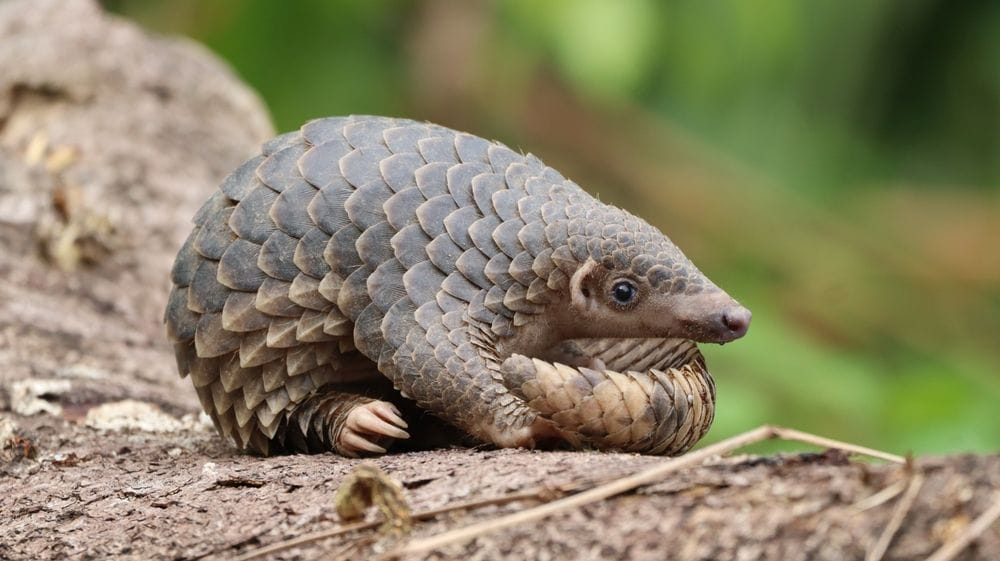
World Pangolin Day
With a prehistoric appearance and a silent gait, the pangolin is one of the planet’s most threatened mammals and, paradoxically, one of the least known. The third Saturday in February is devoted to recalling its critical situation: a victim of illegal trafficking, hunted for supposed traditional medicine and valued as a delicacy in clandestine markets, this nocturnal animal lives between vulnerability and myth.
Its eight species, spread across Africa and Asia, were given the highest international protection under CITES in 2017, but illegal trade networks still outpace surveillance. Even so, there is hope: from documentaries shown on intercontinental flights to community conservation programmes, more voices are defending this shy ally of ecosystems, capable of eating millions of ants a year and aerating the ground through its tireless search for food.
Protecting it starts with the basics: do not consume it, do not buy products derived from it, and share its story so that it may finally cease to be unknown.
International Childhood Cancer Day
15 February is also a day of profound solidarity. Childhood cancer, unpredictable and devastating, remains one of the leading causes of mortality in children and adolescents. This observance, promoted since 2002, seeks to make the disease visible and support families living among hospitals, diagnoses and treatments that completely alter everyday life.
Although the origin of these cancers remains a scientific enigma, therapeutic advances have significantly increased survival when diagnosis comes in time. Leukaemias, central nervous system tumours and lymphomas are the most frequent types, and each requires a complex approach that also respects the child’s right to education, play and as normal a daily life as possible.
The gold ribbon, symbol of this struggle, represents the strength and dignity of those who keep smiling amid adversity. Above all, the day invites people to accompany them: support associations, donate, visit, listen and embrace — physically or metaphorically — the families facing this challenge.
International Angelman Syndrome Day
Angelman syndrome, a rare genetic disorder caused by the loss of a maternally inherited region of chromosome 15, is also commemorated on 15 February. The date arose from the efforts of family associations seeking recognition, research and a global support network for people living with this diagnosis.
The condition causes severe developmental delays, absence of speech, motor difficulties and distinctive behavioural features, but its impact varies from person to person. Although there is no cure, multidisciplinary treatments can improve quality of life and make daily life more stable.
The logo chosen in an international competition and the poster bringing together the names of affected people symbolise a struggle that is scientific, social and emotional. Above all, this day pays tribute to those living with Angelman and to the angels whose memory drives the research still needed.
International Visegrád Day
Not everything about this day belongs to biology. 15 February also celebrates political cooperation among Hungary, Poland, the Czech Republic and Slovakia, brought together under the historic name of the Visegrád Group. The alliance has medieval roots, when the region’s kings gathered at Visegrád Castle in 1335 to sign a pact of non-aggression and commercial cooperation.
Reactivated in 1991, the group has sought to strengthen European integration from a shared Central European identity. However, its political positions have created tensions within the European Union, which sometimes sees the Visegrád Four as an uncomfortable bloc, resistant to certain common policies.
Beyond these frictions, the date underlines the importance of dialogue among countries that, through histories marked by invasions and border changes, have learned to negotiate their place on the continent.
World Hippo Day
15 February also invites us to look at one of Africa’s most impressive giants. The semi-aquatic hippopotamus, fast despite its heavy appearance and surprisingly territorial, faces a worrying population decline. Its meat and illegal ivory tusks feed a market that threatens its survival, adding to habitat loss and conflicts with human communities.
Known for spending hours submerged and for producing a reddish secretion that acts as natural sunscreen, the hippopotamus is a crucial player in river ecosystems: it moves soil, disperses nutrients and shapes whole landscapes. It has even reached cinema in stories intended to raise awareness — from animated adventures to tales about illegal trafficking.
World Hippo Day proposes learning about the issue, supporting conservation foundations and, above all, understanding that even giants can disappear silently if we do not defend them.