
News
17 August: what is celebrated today
17 August brings together two very different commemorations, both linked to care and prevention. On the one hand, World Pedestrian Day reminds us that walking through the city is not only an everyday act, but also a shared responsibility involving rules, respect and safety. On the other, International Coats Disease Day seeks to raise awareness of a rare condition that mainly affects children and young people and can put their eyesight at risk if it is not diagnosed in time.
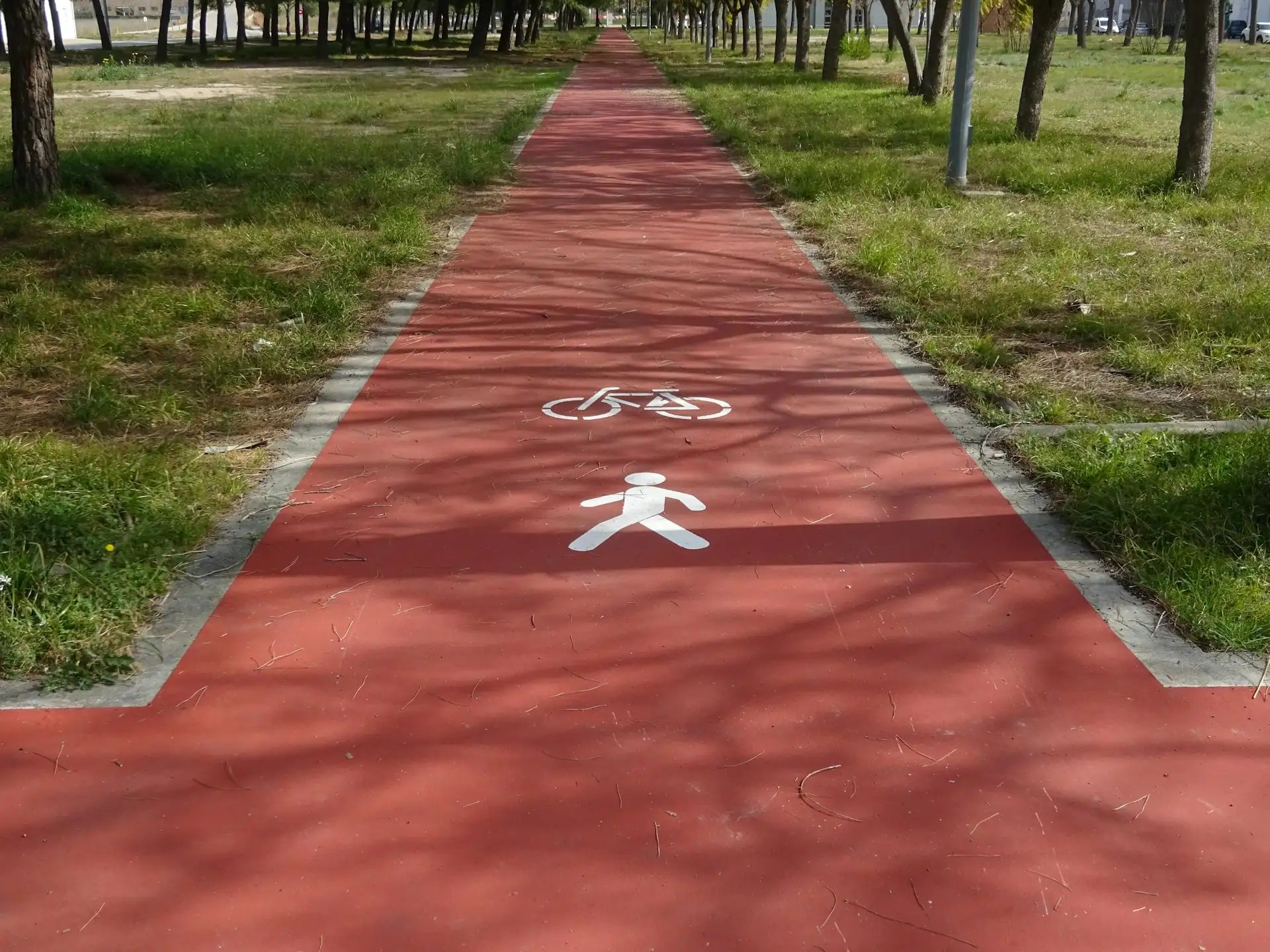
World Pedestrian Day
The date symbolically goes back to 1897, when the first fatal road accident involving a pedestrian occurred in London: Bridget Driscoll. Since then, the day has served to spread road-safety culture, promote suitable spaces for walking and remind people that getting around on foot also involves rules.
Although there is no official body such as the WHO behind the initiative, many associations use this day to organise talks, campaigns and road-safety education activities. The basic rules for being a responsible pedestrian include:
Cross at marked crossings.
Respect pedestrian traffic lights.
Always look both ways before crossing.
Use bridges or footbridges on fast roads.
Wear light-coloured or reflective clothing at night.
Avoid distractions from mobile phones or headphones.
The best way to celebrate it is to set an example: walk attentively, teach younger children and take part in community road-safety initiatives.
International Coats Disease Day
This observance seeks to raise awareness of a rare disease that causes progressive loss of vision, generally in one eye only, due to abnormal development of the retina's blood vessels. It was described in 1908 by the Scottish ophthalmologist George Coats and usually appears before the age of 10, more often in males.
Symptoms include blurred vision, leukocoria (a white reflection in the pupil), strabismus, retinal detachment and yellowish exudates in the eye. The disease goes through five stages, from small vascular dilations to total loss of vision in the affected eye.
Early diagnosis can control up to 70% of cases, so information and early detection are essential. This day is an opportunity to share information, support patients and their families, and promote research.