
News
17 July: what is celebrated today
Some days on the calendar seem written in different registers, yet share one underlying question: how do we express ourselves and live together? 17 July brings together reflections on global justice, the visual language of the digital age and the body as a territory of memory and meaning. Three different — yet complementary — ways of speaking about rights, communication and freedom.
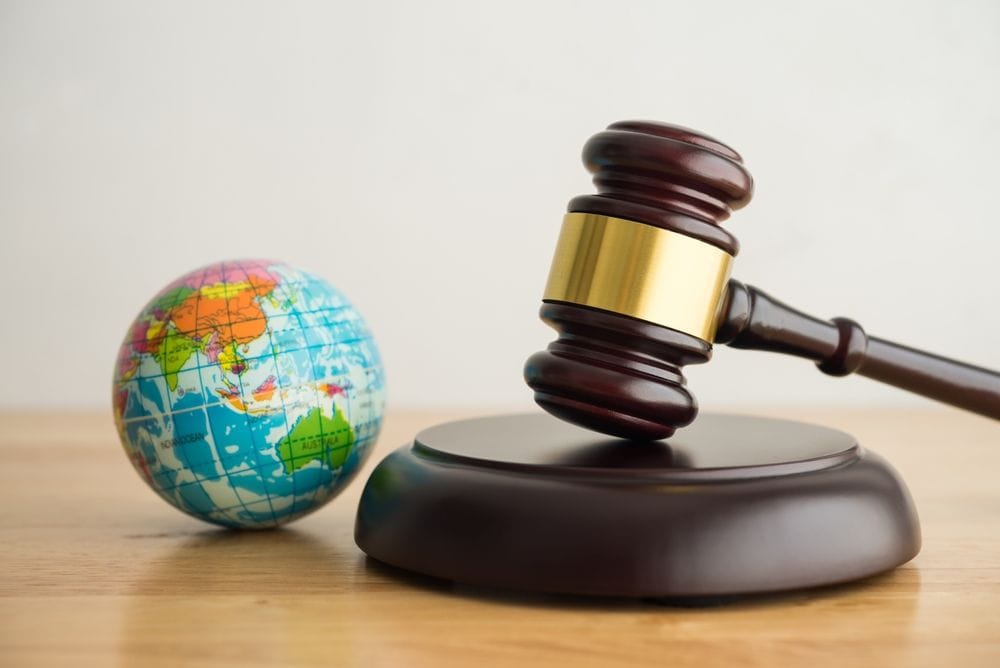
World Day for International Justice
World Day for International Justice has been observed every 17 July since 1998, the date on which the Rome Statute was adopted, a historic agreement that laid the foundations for the International Criminal Court. Its main aim is to remind us that the gravest crimes — genocide, war crimes and crimes against humanity — must not go unpunished, regardless of borders or political interests.
Beyond the courts, this day has a deeply human dimension: it places victims and collective memory at the centre. International justice is not just a legal system, but a fragile and necessary promise that “never again” should not be an empty slogan, but a commitment sustained over time.
World Emoji Day
In an apparently light-hearted turn, World Emoji Day is also celebrated on 17 July, an observance born out of contemporary digital culture. The date was chosen because it coincides with the calendar emoji that appears on many devices, and since then it has become a global celebration of visual language.
Emojis are not simple decorations: they condense emotions, irony and nuances that words sometimes cannot convey. In communication that is increasingly fast-paced and fragmented, these small symbols function as a new emotional alphabet, capable of crossing languages and generations with surprising effectiveness.
International Tattoo Day
International Tattoo Day pays tribute to one of the oldest forms of human expression. From ancestral rituals to contemporary studios, tattooing has been a sign of identity, protection, belonging or rebellion, always linked to personal and collective history.
Today, getting tattooed is also an assertion of autonomy over one’s own body. Every design holds an intimate narrative: memories, losses, desires or transformations. In that dialogue between skin and memory, tattooing establishes itself as living, changing and deeply human art.