
News
18 February: what is celebrated today
18 February invites us to look inward: to those fragile and complex areas of the human mind where sensitivity, creativity and a different way of inhabiting the world coexist. It is a day to talk about neurodiversity, understanding and listening; to remember that not everyone processes reality in the same way, and that this difference, far from being an obstacle, can become an immense source of talent and emotional depth. Today, the focus is on people living with Asperger syndrome and on the long history of misunderstandings, progress and discoveries surrounding
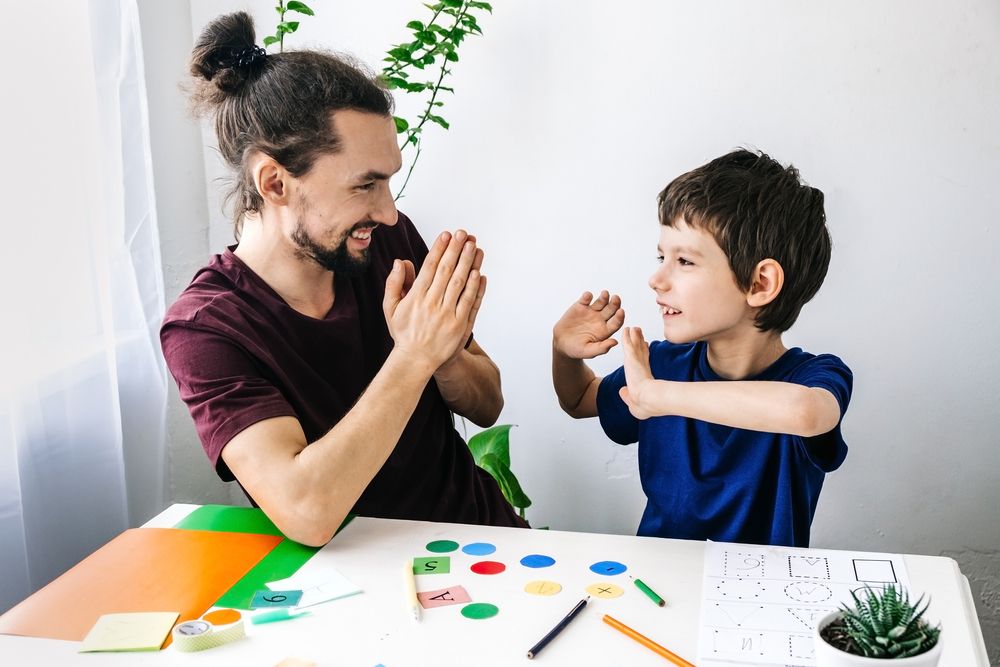
International Asperger Syndrome Day
Every 18 February, International Asperger Syndrome Day is observed, coinciding with the birth of Austrian psychiatrist Hans Asperger, who in the mid-20th century described a group of children who showed unusual patterns of behaviour: an unusual sensitivity to adults’ emotions, an intense need for consistency and a very particular way of relating to their surroundings. His observations — ignored for decades — only gained relevance in the 1990s, when research into the autism spectrum began to expand with new approaches.
Asperger syndrome forms part of Autism Spectrum Disorders. It does not imply an intellectual deficit, but rather a singular way of interpreting the social world: implicit codes, ironies and conventions that are automatic for others can be a real labyrinth. Yet these same characteristics are often accompanied by exceptional concentration, an outstanding memory or a deep talent in specific areas. Indeed, popular culture has explored this complexity in characters such as Sheldon Cooper, who humorously reflects the distance that can arise between social norms and a mind guided by strict logic.
Cinema has also found fertile ground in Asperger syndrome for telling stories of relationships and inner quests. My Name Is Khan shows how different behaviour can generate painful prejudice; Extremely Loud & Incredibly Close turns incomprehension of the world into an emotional adventure; Mary and Max tenderly portrays two lonely people who keep each other company at a distance; while The Lighthouse of the Orcas explores the deep connection between a child with ASD and the natural world. These are stories that illuminate the quiet yet intense humanity of those who live with this condition.
Many renowned creators, scientists and artists have also been identified with traits associated with Asperger syndrome: Andy Warhol and his almost hermetic inner world; Steven Spielberg, whose obsession with every detail became an artistic hallmark; Tim Burton, with his unique imagination; or Keanu Reeves, who turns his sensitivity into a form of sober, magnetic presence. In all of them, difference was not a barrier, but an essential part of the path towards genius.
This day invites us to learn, listen and support. To recognise that neurodiversity needs understanding, appropriate support and safe spaces in which to flourish. Celebrating it means breaking stereotypes, getting closer to the real experiences of those who live with Asperger syndrome and sharing information that helps build a world where no one is defined solely by what others consider “strange”, but by what each person can contribute from their authenticity.