
News
18 March: what is celebrated today
18 March is something of a hinge day: it forces us to look directly at what often remains out of focus. Childhood and adolescence — a territory we associate with strength and the future — also know chronic pain, clinical uncertainty and the need for support. At the same time, this date intertwines with campaigns that speak of autonomy: learning to decide, to protect oneself, to name the world. The idea that unites the day is clear: caring early means caring better.
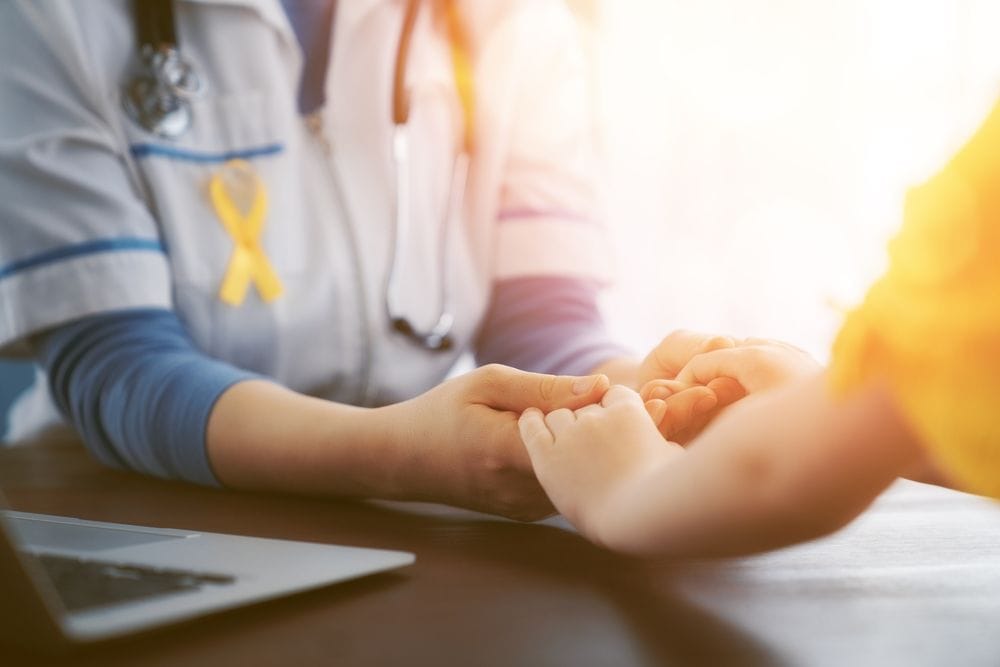
World Day of Youth Rheumatic Diseases
Rheumatic diseases are not exclusive to adults: they can also appear before the age of 16 and completely change the map of a young life. This day seeks to break a common misunderstanding — they are growing pains or it will pass — and give precise names to complex realities such as juvenile idiopathic arthritis, lupus and juvenile dermatomyositis.
The impact is measured not only in physical symptoms — pain, inflammation, stiffness and fatigue — but in what those symptoms take away: school hours, sport, friendships and plans. Chronic illness, when it arrives early, often demands premature maturity; awareness is therefore also an act of justice, so that nobody must explain again and again why they cannot today.
Early diagnosis is key. Recognising signs, accessing specialists and sustaining appropriate treatments can make the difference between limiting damage and carrying avoidable consequences. This 18 March also recalls the need for research and support networks: families, schools and health systems that do not minimise what is invisible.
World Edwards Syndrome or Trisomy 18 Day
Edwards syndrome, or Trisomy 18, is a genetic condition in which there is an extra chromosome in pair 18. The fact may sound technical, but its consequences are profoundly human: significant medical complications, needs for continuous care and difficult decisions that affect entire families.
This observance is not limited to raising awareness of a rare disease: it also confronts a dangerous idea, that of measuring a life’s value by its prognosis. Speaking of Trisomy 18 means speaking of accompaniment, respect and care that preserves dignity, whatever the course. In many cases, early care and individualised approaches can improve symptoms and create spaces of wellbeing within a complex reality.
18 March insists on something essential: society needs more information and less judgement. A genetic condition does not erase anyone’s humanity; on the contrary, it often reveals the best — and the worst — of how we care.
Global Money Week
Amid these dates focused on health and care, Global Money Week continues, inviting people to practise a different kind of prevention: financial prevention. It is not about accumulating, but understanding. In an environment of instant payments, aggressive offers and increasingly sophisticated digital scams, financial education acts as a seat belt.
The campaign pays special attention to children and adolescents because financial decisions begin earlier than they seem: the first online purchase, the first subscription, the first yes to a dubious link. Budgeting, saving, data privacy and critical thinking are small tools that prevent big problems. The message is simple: think before proceeding, so that money — and not anxiety — sets the course.
French Language and Francophonie Week
French Language and Francophonie Week also continues, running from 16 to 24 March as a celebration of language understood as a cultural space. French is literature and cinema, certainly, but also diplomacy, science, music and philosophy: a language that adapts to diverse countries and accents without losing its ability to build bridges.
This week reminds us that speaking a language is inheriting a way of seeing. Every word carries a history; every turn of phrase, a community; every reading, a dialogue with others. In times of polarisation, the Francophonie offers another scene: conversation, exchange and curiosity as a way of living together.