
News
18 May: what is celebrated today
There are days when the world seems to ask us for a slower gesture. On 18 May, museums and plants appear on the same page, with two health and safety campaigns in the background: hidden salt and roads that should not claim lives. Everything converges on a fundamental question: what are we preserving—and at what cost—in our way of living?
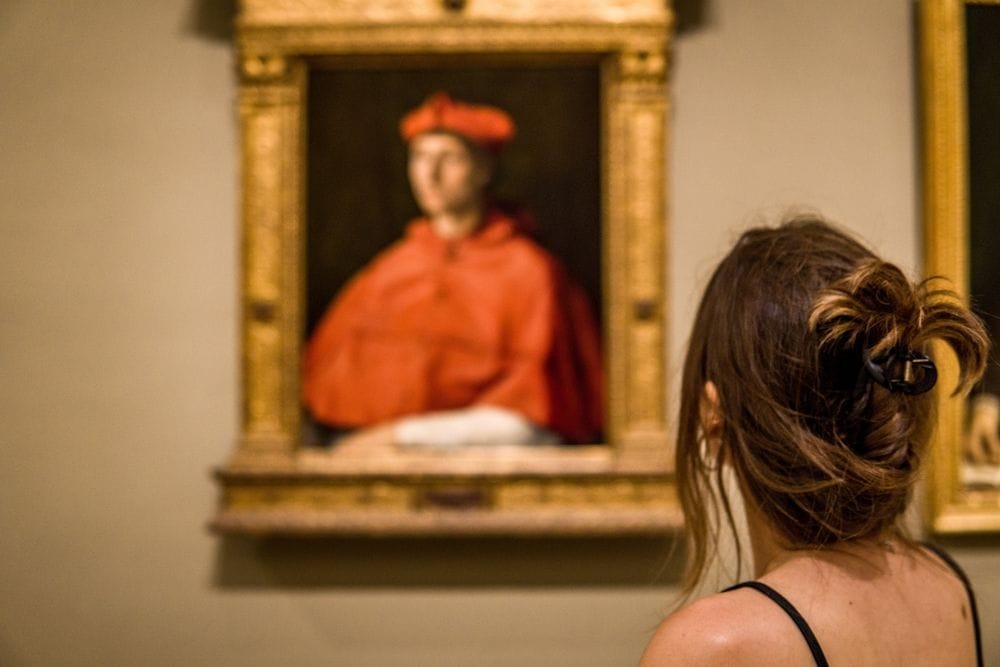
International Museum Day
Since 1977, ICOM has promoted this date to remind us that a museum is not an elegant warehouse, but a space for cultural exchange. There, the past is not displayed as a relic, but as a conversation: objects, images and stories that teach us who we were and who we might be.
Each year, the day proposes a theme for looking at the present more precisely. In times of social, technological and environmental change, museums function as a network that knows no borders: they preserve tangible and intangible heritage, research, educate and — when they do it well — return to communities a shared history that is less fragile and less open to manipulation.
International Fascination of Plants Day
This observance began in 2012 at the initiative of the European Plant Science Organisation (EPSO) and has something of an intimate celebration about it: the plant as a silent miracle. Its role is so basic that we forget it: they sustain life, feed, heal, regulate ecosystems, and also inspire science, agriculture and horticulture.
Being fascinated by plants is, at heart, learning to look again. From sequoias that span millennia to orchids that deceive insects with their disguise, the plant world reminds us that intelligence does not always think: sometimes it grows, adapts, endures. And in an age of haste, caring for what is green is a form of future.
World Salt Awareness Week
From 12 to 18 May, this week insists on an uncomfortable idea: salt is not only in the salt shaker. It hides in processed foods, ready-made meals, in habits that seem harmless because “they cannot be seen”. That is why awareness begins with education, and education with a simple habit: reading labels and understanding what we eat.
Reducing excess salt does not have to sound like punishment. It can be a change of palate: more herbs, more fresh food, less industry dictating flavour. Cardiovascular health is built through small repeated decisions, and also through policies that make healthy choices accessible, rather than a luxury.
United Nations Global Road Safety Week
Also from 12 to 18 May, the UN focuses on an everyday tragedy: traffic accidents and their consequences. Road safety is not limited to “driving well”; it is urban design, reasonable limits, signage, enforcement, technology, public transport and a culture that does not confuse speed with progress.
When a city protects pedestrians, cyclists, children, older people or people with disabilities, it is saying something about its priorities. This week reminds us that getting around should be a right without fear, and that a safe road is, ultimately, a concrete form of coexistence.