
News
19 June: what is celebrated today
19 June has two rhythms at once: that of news that weighs heavily and that of steps that bring relief. It is a day to face one of the most silenced forms of violence in wars—the one inflicted on bodies—and, at the same time, to remember that sometimes resistance begins with something as elemental as walking. Between denunciation and pause, this date proposes an ethic: not to become accustomed either to horror or haste.
Día Internacional para la Eliminación de la Violencia Sexual en los Conflictos
Since 2015, the ONU has marked 19 June as the Día Internacional para la Eliminación de la Violencia Sexual en los Conflictos. It is not a “themed” observance: it is a reminder that rape, sexual slavery and exploitation are not collateral damage, but tactics of war intended to break entire communities. At its centre are the victims — especially women and girls, though not exclusively — and also those who work to ensure that these crimes are not buried beneath the noise of fighting.
The 2025 message focuses on something that often remains off camera: intergenerational consequences. “Breaking the cycle, healing the wounds” refers not only to immediate trauma, but to what persists years later: fear, stigma, silences within families, bodies that carry memory. That is why this date insists on a human and concrete approach: medical and psychosocial care, protection, access to health services without threats, legal support and financial assistance when life is split in two.
In 2024, reflection centred on protecting hospitals in wartime contexts: places where many survivors could receive help and which nevertheless become unsafe or inaccessible spaces. Marking this day also means defending the right to receive care without fear. And something more difficult: sustaining public attention when the world is distracted, so that justice and reparation are not exceptions, but a path.
Día Mundial del Paseo
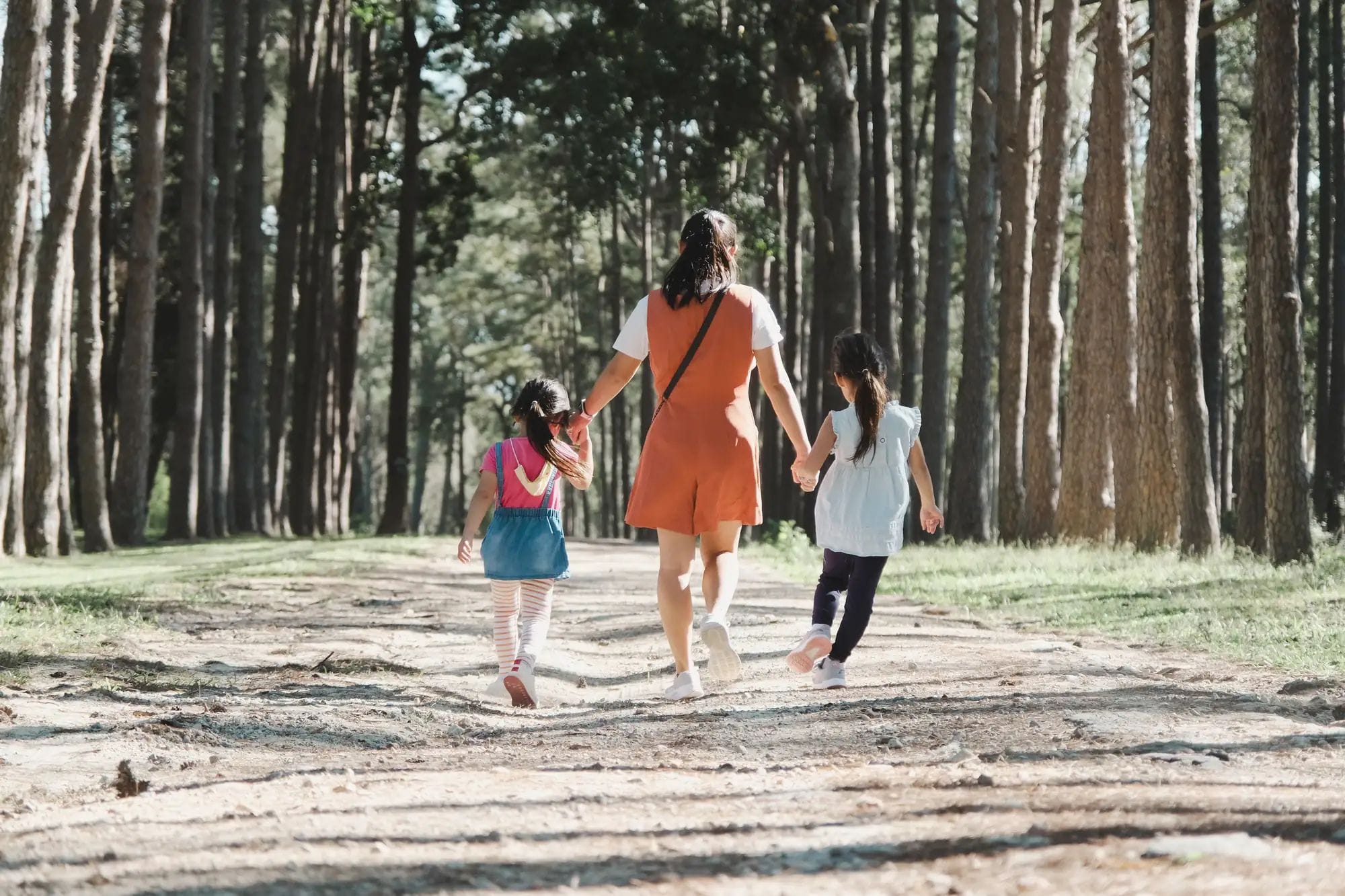
On the same calendar, 19 June brings a surprisingly simple invitation: slow down. Día Mundial del Paseo began in 1979, proposed by W. T. Rabe in response to the jogging craze. Where the world applauded performance, he proposed the opposite: walking without competing, looking around, rediscovering the pleasure of going slowly.
Going for a walk is not wasting time; it is inhabiting it again. A short walk can be a form of care — for the body, for the mind — and also a small cultural statement: choosing attention over autopilot. In an era of notifications and speed, walking at a strolling pace is almost a courtesy to oneself… and to the landscape.
Perhaps that is why it works so well alongside the day’s other observance: because after naming horror, a gesture is needed to remind us that life is not reduced to violence. A walk does not fix the world, but it can give us back the strength to look at it without giving up: step by step, breath by breath.