
News
2 February: what is celebrated today
On 2 February, the world turns its attention to two very different symbols that are deeply connected with nature. On one hand, wetlands, essential ecosystems that regulate the climate, sustain biodiversity and enable the lives of millions of people. On the other, the small groundhog that each year—amid folklore, humour and tradition—announces whether winter will last longer or spring will arrive earlier. At the same time, World Interfaith Harmony Week continues, reminding us that dialogue is the basis for a sustainable future.
World Wetlands Day
Every 2 February marks the signing of the Ramsar Convention (1971), the first global agreement to protect wetlands, ecosystems that are now among the most threatened on the planet. Since 1997, this date has been dedicated to recalling their ecological, social and climate value: they regulate the water cycle, control floods, capture carbon, filter pollutants and serve as a refuge for 40% of existing animal and plant species.
Their variety is immense — mangroves, peatlands, marshes, reefs, lakes, rivers, deltas — and many communities depend directly on them for food or supplies of fresh water. Paradoxically, they are also disappearing at an accelerated rate: more than 35% have been lost in the last 50 years due to urbanisation, unsustainable consumption, pollution and agricultural pressure.
The recent slogan, “Revitalise and restore degraded wetlands”, underlines the global urgency: these ecosystems not only balance biodiversity, but are essential for confronting climate change. Restoring them means protecting the habitat of thousands of species, strengthening water security and reducing the effects of natural disasters such as droughts and hurricanes.
World Wetlands Day invites governments and citizens to act: responsible tourism, waste reduction, defence of natural spaces, environmental education and support for conservation initiatives. Every gesture, small or large, contributes to the survival of one of the planet’s most valuable ecosystems.
Groundhog Day
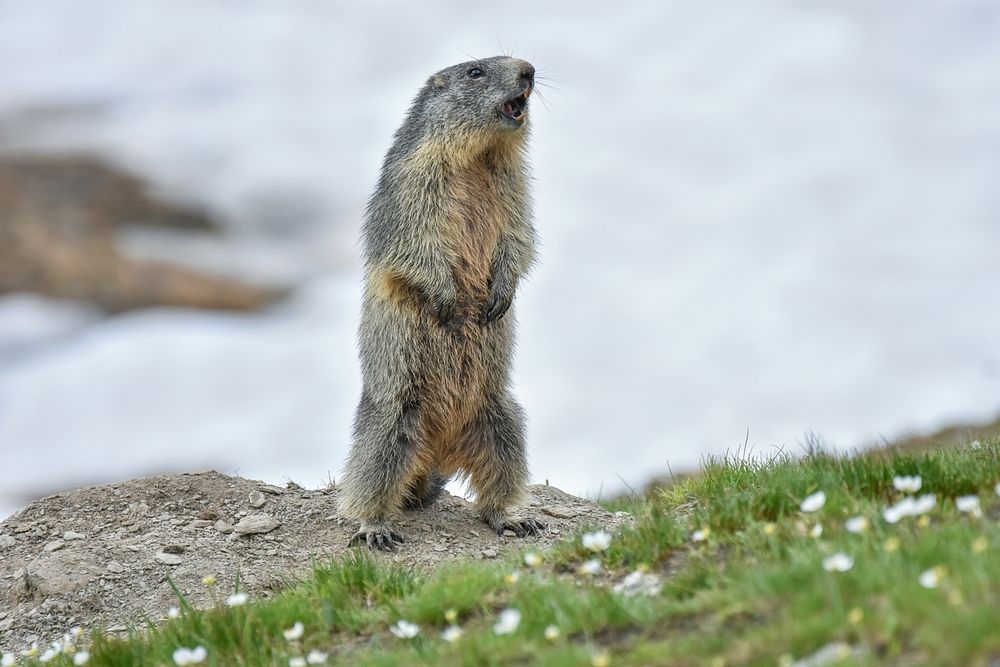
On the same 2 February, North America celebrates one of its most curious traditions: Groundhog Day. According to folklore, if the groundhog comes out of its burrow and sees its shadow, winter will continue for six more weeks; if it does not see it, spring will arrive early.
The custom has European roots linked to Candlemas, when signs from nature were once interpreted to forecast the weather. German immigrants brought the tradition to the United States and Canada, replacing the European badger with a local animal: the groundhog. Thus was born a celebration that today blends popular meteorology, spectacle and community.
The best-known location is Punxsutawney, Pennsylvania, where Punxsutawney Phil has made his prediction since 1887 before a crowd that arrives before dawn. Although its accuracy is only around 35%, the event has become a cultural phenomenon also thanks to the film Groundhog Day (1993), which made this tradition internationally famous.
In Canada, famous groundhogs such as Wiarton Willie, Gary the Groundhog and Balzac Billy also take part, each with its own ceremony. Beyond the prediction, Groundhog Day is a social ritual full of humour, music and symbolism that marks the midpoint of winter and the collective desire for spring.
World Interfaith Harmony Week
(from 1 to 7 February)
The week continues to highlight the importance of understanding and cooperation among religions. Proclaimed by the UN in 2011 at the proposal of King Abdullah II of Jordan, this observance promotes interreligious dialogue as a path to peace, reconciliation and sustainable development. Every year, meetings, debates and community activities are held to strengthen coexistence among different cultures and beliefs.