
News
2 November: what is celebrated today
On 2 November the world stops, breathes and looks in two directions: towards those who are no longer here, and towards those who continue telling their story. It is a day when memory, truth and beauty intertwine: from cemeteries filled with flowers to empty newsrooms where the silence of censorship weighs more than lead. While Mexico lights its altars and dancers raise their bodies to the rhythm of art, the United Nations reminds us that those who risk their lives to report what happens must also be protected.
International Day to End Impunity for Crimes against Journalists
This day, proclaimed by the UN in 2013, arose from an urgent need: for the truth not to die alongside those who write it. Since 1993, more than one thousand six hundred journalists have been murdered in the course of their profession, and in nine out of ten cases the culprits were never brought to trial. Impunity does not only kill reporters: it wounds society as a whole, because imposed silence leaves democracy voiceless.
Freedom of the press is, in essence, everyone's freedom. Every journalist threatened, exiled or silenced represents a broken mirror of our reality. That is why this day reminds us that protecting the press is protecting the very possibility of truth. The United Nations insist: there is no justice without memory, nor democracy without free information.
World Ballet Day
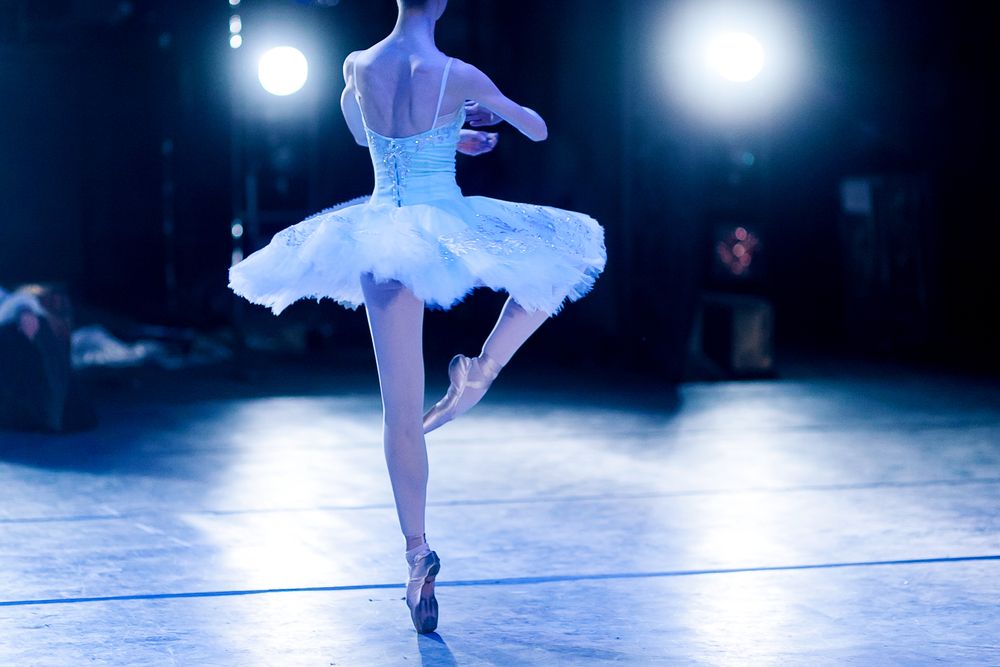
Art, like the word, also defies oblivion. On World Ballet Day, companies around the world open their doors, broadcast rehearsals and share the silent discipline of those who communicate with their bodies what others express with their voices.
Born in the palaces of the Italian Renaissance and perfected under the reign of Louis XIV, ballet is balance and rigour, a universal language that unites strength and fragility. Every leap is a metaphor for resistance: behind grace there is pain, behind applause, sacrifice. In times of noise and vertigo, this millimetre-perfect dance reminds us that beauty can also be an act of precision, almost of faith.
Day of the Dead
In the Catholic calendar, 2 November is dedicated to the Faithful Departed. Since the Middle Ages, churches and cemeteries have become settings for prayers and offerings. It is the day on which the living pray for the souls that, according to faith, still travel between earth and heaven.
But beyond dogma, this date unites peoples and cultures: in Spain, prayers are heard; in Bolivia, breads in the shape of a cross or ladder are prepared; in Ecuador, colada morada is shared. In every corner of the world, the same gesture is performed: lighting a candle, offering a flower, saying a name. It is a way of saying that love, unlike the body, does not die.
Day of the Dead (second day of the celebration in Mexico)
In Mexico, the boundary between life and death becomes porous, luminous. On 2 November, after the day dedicated to deceased children, it is the adults' turn: the “faithful departed” who return home amid the aromas of copal, sugar skulls and lit candles.
Altars fill with photographs, pan de muerto and memories. Catrinas parade amid laughter and music, while families celebrate that their loved ones return, at least for one night, to the warmth of home. This festival — a mixture of pre-Hispanic roots and Christian faith — was recognised by UNESCO as Intangible Cultural Heritage of Humanity. Because in Mexico, remembering is not mourning: it is celebrating the eternity of memory.