
News
20 March: what is celebrated today
20 March falls like a hinge in the year: light gains ground and the world seems to readjust its breathing. On this date, celebrations coexist that speak of the same thing from different angles: caring for wellbeing, celebrating diversity and remembering that even the everyday—a word, a tooth, a small bird—supports something great. Today, the calendar becomes an invitation to look more closely. And to live more consciously too.
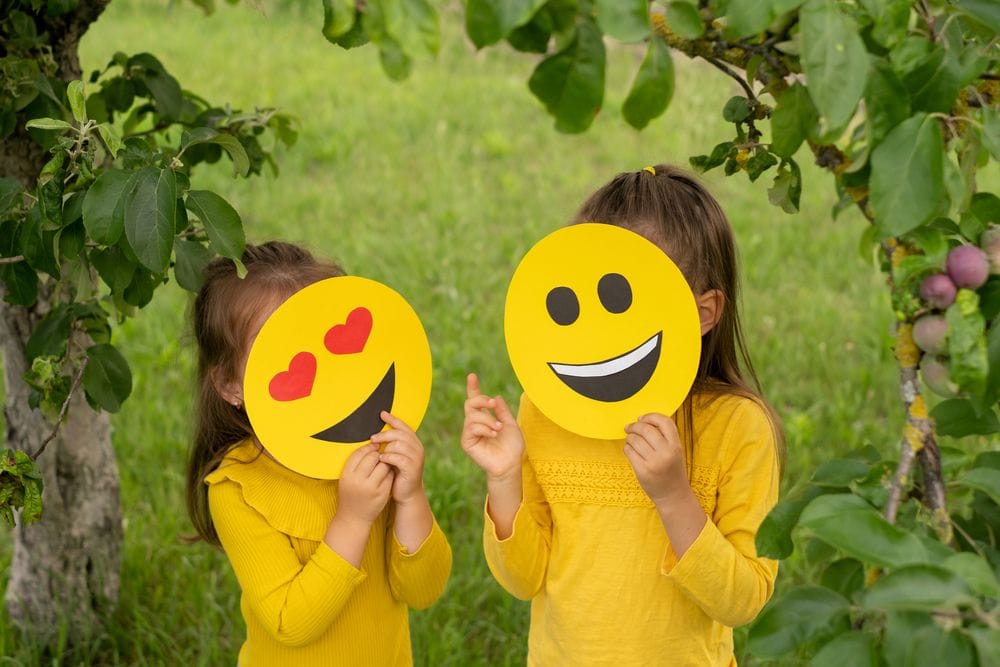
International Day of Happiness
Happiness is often presented as an intimate, almost secret matter. However, this day reminds us that it is also a collective task: thinking about policies, communities and decisions that make a more dignified life possible for more people.
It has been commemorated every 20 March since 2013, following its proclamation by the United Nations. Its message is clear: well-being is not an ornament of progress, but part of human development, and it should carry as much weight as any economic figure.
Spring Equinox
There is a moment in the year when the planet seems to seek balance: the equinox, when day and night share time almost equally. In the northern hemisphere, this moment marks the symbolic beginning of spring, the season of what returns.
The word itself speaks of an “equal night”, as if the sky were reminding us that every change needs a measure. It is not merely an astronomical fact: it is a scene of renewal, a way of saying that the light returns without haste, but it returns.
Autumn Equinox
In the southern hemisphere, this same 20 March names another transition: the autumn equinox. The Earth does not change course; our reading of that course changes, and with it the rituals, the emotional temperature, the way of inhabiting the day.
Autumn does not arrive as an ending, but as the maturity of the year: harvest, balance, gradual farewell. In many cultures, the equinox is felt as a reminder of harmony: to move forward, one must also know how to let go.
World Oral Health Day
The mouth is the first territory of health: food enters through it, but so do laughter, voice and confidence. This day insists on something simple and decisive: caring for teeth and gums is caring for the whole body, and also for quality of life.
Promoted since 2007, the day highlights habits that seem small and yet change daily well-being: regular check-ups, consistent hygiene and attention to risk factors. Sometimes, what is most transformative is what is done without fanfare: every morning and every night.
World Sparrow Day
The sparrow is a discreet presence, almost urban background noise. And perhaps that is why its decline is unsettling: when such a common bird begins to be absent, the city reveals that something has fallen out of balance.
This observance was born to draw attention to that decline and to the biodiversity that is lost without headlines. The sparrow serves as an indicator of the everyday: if there is no place for it, perhaps there is no place for a kinder urban life either.
International French Language Day
Today a language is also celebrated: not only its grammar, but what it carries with it—literature, thought, songs, ways of naming the world. French, one of the six official languages of the United Nations, becomes a symbol of plurality.
The day is framed by the idea of multilingualism: recognising that linguistic diversity is not an obstacle, but a cultural richness. Each language opens a different door; celebrating it means defending the right to multiple perspectives.
International Day of La Francophonie
La Francophonie is not a country: it is a constellation of communities that share French and reinvent it according to their history. This day focuses on cultural cooperation, education and the ties that arise when a language circulates between continents.
Since 1970, with the creation of the International Organisation of La Francophonie, the date has become a setting for talking about diversity, creation and dialogue. French here is not uniform: it is a bridge with different accents.
French Language and La Francophonie Week
Around these dates, an entire week devoted to French and its cultures unfolds, as if a single day were not enough to contain all that is written, sung and thought in that language. The celebration offers workshops, gatherings, readings, cinema and creative play.
More than “paying tribute”, the week seeks to activate the language: take it out of the classroom and into the street. Language lives when it is used, when it mixes with the contemporary and finds new ways of saying what has always been said.
Global Money Week
Among so many symbolic celebrations, this week brings a practical question: how do we make decisions with money, and what did we learn—or fail to learn—in time? Financial education is presented as a tool for the future, especially for children and adolescents.
Created in 2012, the initiative invites people to talk about saving, budgeting, responsible consumption and also current risks such as fraud and scams. In a world of quick payments and endless offers, thinking before going with the flow is also a form of freedom.
World Meat Free Day
This day proposes a concrete gesture: reducing meat consumption, even if only for 24 hours. It is not about an identity, but a pause that opens questions about health, habits and sustainability.
The idea does not demand extremes: it suggests exploring alternatives, discovering plant proteins, varying the table and looking at the plate as part of a broader system. Sometimes, changing a menu is a simple way of trying out other futures.
World Flour Day
Flour seems humble, but it underpins a huge part of human history: bread, pasta, sweets, everyday cooking. Celebrating it means recognising those who grow, mill, knead and bake, and also remembering how an ingredient can be culture.
This day focuses on its importance as food and on the difference between refined and wholemeal flour, which retains more nutrients. In hurried times, returning to the basics—a shared loaf of bread—can be an act of calm.
World Frog Day
Frogs live between two worlds: water and land, silence and nocturnal song. And because of that sensitivity, they are also an environmental thermometer: when they disappear, it is usually because the ecosystem has become hostile.
The observance seeks to raise awareness of their role in the natural balance and of the threats they face: habitat loss, pollution, changes in temperature. Protecting them means protecting whole chains of life, including our own.
Eid al-Fitr or the Festival of the End of Fasting
At the end of Ramadan comes a day of gratitude, gathering and joy: Eid al-Fitr, celebrated according to the lunar calendar, which is why its date can vary. It is a day of communal prayer, visits, gifts and a shared table, where sweets have a special place.
But its centre is moral: charity so that no one is left out, forgiveness, beginning again. After a month of discipline, Eid restores celebration with meaning: celebrating can also be an act of social care.