
News
20 May: what is celebrated today
There are dates that seem to hold the world together by the finest threads: a buzz over a flower, an exact number on a scale, a voice tuning itself in chorus. 20 May brings together nature and science, memory and health, identity and learning. Everything happens on the same day — as if the planet's diary were asking us to look closely at what we normally take for granted.
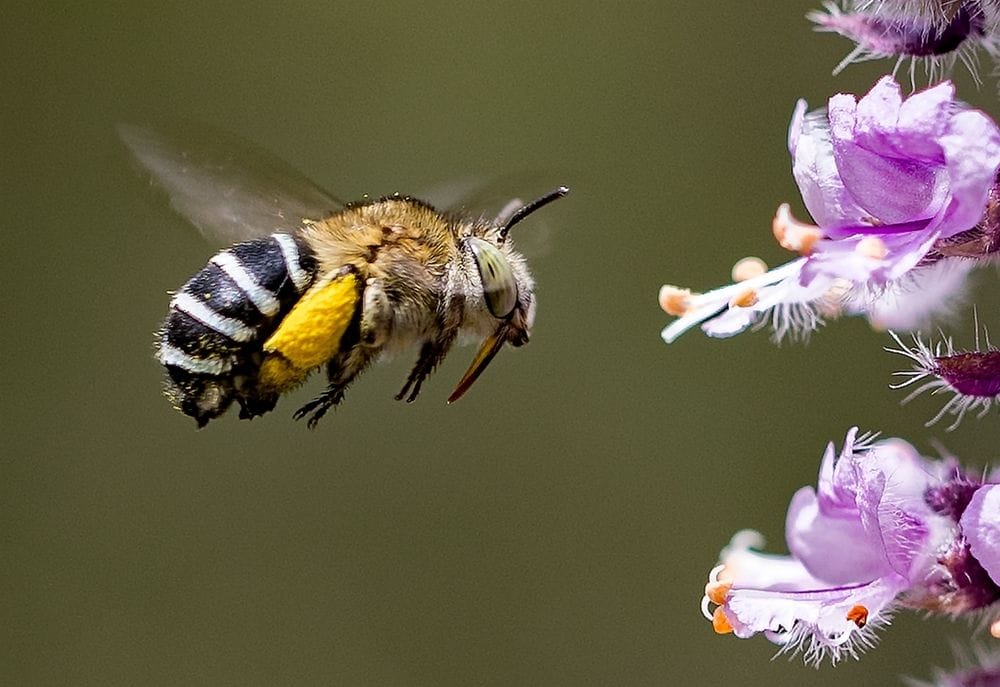
World Bee Day
Bees do not just make honey: they sustain the secret script of orchards and forests. By carrying pollen, they help make fruit, seeds and more diverse harvests possible; their collective work becomes food, landscape and future.
Proclaimed by the UN and celebrated since 2018, this day also recalls a specific origin: 20 May coincides with the birth of Anton Janša, a pioneer of modern beekeeping in the 18th century, in what is now Slovenia. And it brings a warning without drama: habitat loss, intensive agriculture, pesticides, pollution and a changing climate are pushing pollinators to the limit. Caring for them means caring for the balance on which we depend.
World Metrology Day
The modern world moves at the speed of trust: we buy, travel, recover and connect because someone measures well. Metrology — the science of measurement — is the invisible infrastructure that makes everything possible, from an exact dose to an industrial part that fits without failing.
That is why the Metre Convention, signed on 20 May 1875 by representatives of seventeen nations, is commemorated. That agreement sought to unify criteria so that a measurement would mean the same thing anywhere. Sometimes progress does not begin with a great speech, but with a shared rule.
International Clinical Trials Day
Before becoming a treatment, a medicine is a question put to the test. Clinical trials are the bridge between scientific intuition and real life: a long, careful process divided into phases, in which safety, dose and effectiveness are checked.
The date recalls the first documented clinical trial: in 1747, the Scottish doctor James Lind investigated scurvy among sailors, paving the way for clinical research. Today, behind every advance there are entire teams and, above all, patients: silent protagonists who agree to take part so that tomorrow has more options than today.
International Behçet’s Disease Day
There are illnesses that cannot be seen, but take up all the space. Behçet’s disease — described in 1937 by Dr Hulusi Behçet — is rare, chronic and non-contagious; it can affect different body systems and cause complications ranging from the skin and joints to the eyes and nervous system.
Commemorating it means shining a light on the uncommon: raising awareness, diagnosing earlier, researching more and offering better support. It is also an ethical reminder: believe another person’s pain even if it has no obvious “symptom”, and build public health with empathy as well as technique.
Paraguayan National Anthem Day
Amid so many global commemorations, Paraguay celebrates one of its most intimate symbols on 20 May: its national anthem. It is not merely ceremonial music; it is a sung story learned at school, respected at official events and felt in one’s skin at decisive moments.
Honouring an anthem is asking which words bring us together when everything changes. In its solemnity lives a simple and powerful idea: identity is also cared for, passed on and shared, like a memory sung in many voices.
International Arts Education Week
Although it is a “week”, its message fits fully within the spirit of 20 May: learning is also creating. Proclaimed by UNESCO in 2011, this week champions arts education as a space for dialogue, diversity and social cohesion.
Art is not a decorative luxury: it teaches us to look, listen and imagine solutions. Painting, dancing or doing theatre trains empathy and curiosity; it makes us less rigid, more human. In hurried times, creating is another way of thinking.
Africa Week
At the end of May, a time opens up to celebrate African heritage and its connection with the history of humanity. Africa Week is conceived as a space for integration and peace with the rest of the nations, and it often builds bridges through culture, gastronomy, dance, music and public conversations.
It also engages with the continent’s memory: 25 May marks the founding of the Organisation of African Unity (1963). Looking at Africa today is also looking at the future: innovation, sustainable development, youth and creativity as drivers of a story that was never singular.
World Respectful Birth Week
The third week of May also recalls a fundamental right: that birth should be attended with dignity. Promoted since 2004 by associations and coordinated at European level since 2011, this week highlights how births are attended and calls for respect for the mother’s and baby’s timings, decisions and needs.
To speak of respectful birth is to speak of autonomy, clear information, chosen support and genuinely necessary medical practices. At heart, it is a defence of the basics: that science should heal without commanding, and that healthcare should not forget the humanity of the person on the examination table.