
News
21 June: what is celebrated today
21 June is a date on which the calendar seems to align with the pulse of the planet. Light reaches its maximum in the Northern Hemisphere, while in the south the year's longest night begins. From this point of cosmic balance, the day brings together celebrations that speak of nature, the body, memory, culture, science and contemporary ways of living together.
International Day of the Celebration of the Solstice
Officially recognised by the UN in 2019, this day gives an institutional name to a celebration as old as humanity. The solstice marks a turning point: the moment when the Sun appears to stand still before beginning its return. Since ancient times, this moment has been interpreted as a sign of renewal and continuity.
In different cultures, the solstice is celebrated with collective rituals, fire, music and community gatherings. It is not only about observing an astronomical phenomenon, but also about remembering that human life has always been linked to the rhythms of nature and the need to celebrate them together.
International Sun Day
On the same day when the Sun dominates the sky for the most hours, a whole day is devoted to it. This observance invites reflection on the central role of the king star: source of energy, regulator of the climate and driving force of life on Earth.
Today, in addition to its symbolic dimension, the Sun represents a concrete hope in the transition to clean energy. Celebrating it means acknowledging that looking to the sky also entails taking responsibility for how we inhabit the planet.
Summer Solstice
Astronomically, 21 June is the longest day of the year in the northern hemisphere. Culturally, it is an invisible boundary separating expectation from fullness: the start of summer, of harvests, of time shared outdoors.
From Mediterranean bonfires to Nordic celebrations, the summer solstice has always been a festival of light, fertility and desire. A reminder that abundance also needs to be celebrated with awareness.
Winter Solstice (Southern Hemisphere)
While the north fills with light, the southern hemisphere enters the longest night of the year. The winter solstice is not only cold and darkness: it is pause, introspection and preparation for the gradual return of light.
In many traditions, this moment symbolises death and rebirth, closure and promise. An invitation to accept the slow, necessary cycles of nature and inner life.
International Day of Yoga
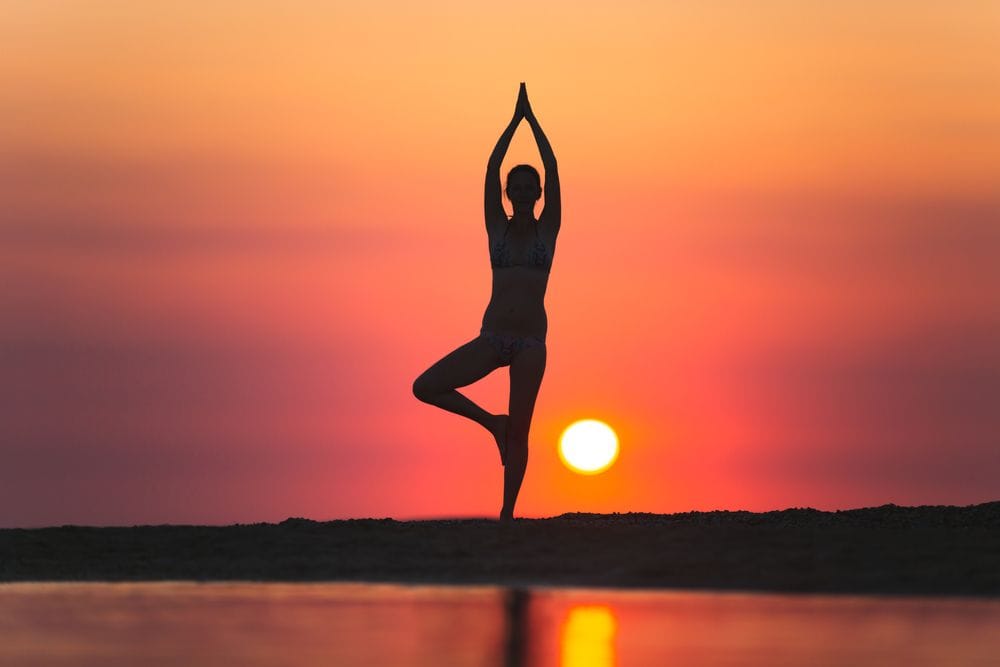
Since 2014, 21 June has also been devoted to yoga, an ancient practice born in India. The date is no coincidence: the solstice represents balance, energy and awareness, central principles of yoga.
In squares, parks and homes around the world, millions of people stop to breathe, stretch and listen to themselves. More than exercise, yoga is presented as a way of inhabiting the body with attention and calm in a fast-paced world.
European Music Day
The longest day of the year fills with sound. Since 1982, 21 June has invited music to take to the streets and be shared without barriers, genres or hierarchies.
Improvised concerts, open stages, and amateur and professional musicians celebrate music as a universal language. A day on which the city becomes a collective score.
Father's Day
In many countries, the third Sunday of June coincides with this date. Father's Day is a celebration of bonds, care and shared memories.
Beyond traditional models, the diversity of fatherhoods is recognised today: present, affectionate, imperfect. A day to give thanks, remember and strengthen family ties.
World Giraffe Day
The giraffe, the tallest land animal on the planet, takes centre stage on this awareness day. Its elegance and height conceal a worrying reality: the drastic reduction in its population in recent decades.
This day reminds us that conservation does not always focus on “iconic” species. Protecting the giraffe also means protecting the African ecosystems on which it depends.
World Hydrography Day
Since 2005, this date has raised the profile of a little-known but essential science. Hydrography studies seas, rivers and coasts, enabling safe navigation and better management of water resources.
On a planet marked by climate change, understanding the behaviour of water is key to safety, sustainability and environmental protection.
International Day for Non-Sexist Education
Born in Latin America in 1981, this day calls for education free from gender stereotypes. School is one of the places where inequalities are built — or broken down.
Promoting non-sexist education means committing to fairer, more inclusive and respectful societies, where girls and boys can develop without limits imposed by gender.
World ALS Day
Promoted by patient associations, this day gives visibility to amyotrophic lateral sclerosis, a neurodegenerative disease that still has no cure.
Beyond medical data, the date focuses on people: on the need for research, support and policies that improve the quality of life of those living with ALS.
International Aniridia Day
This day raises awareness of a rare eye disease of genetic origin. Aniridia severely affects vision and requires constant medical monitoring.
The day seeks to inform, support families and promote early diagnosis, reminding us that rare diseases also need visibility and resources.
International SYNGAP Day
Celebrated since 2020, this day gives a voice to an underdiagnosed genetic disease that affects neurological development.
The date underlines the importance of scientific research, access to appropriate diagnoses and support for families living with this condition.
World Skate Day
Born on the street and turned into an Olympic sport, skateboarding celebrates its day as a symbol of freedom, creativity and urban culture.
21 June invites people to occupy public space with wheels, balance and personal expression, asserting play as a legitimate way of inhabiting the city.
World Selfie Day
Taking self-portraits is one of the practices most characteristic of the digital era. This day reflects, with humour and criticism, on identity, image and social media.
The selfie can be vanity, but also affirmation, memory and communication. A contemporary way of saying “here I am”.
Take Your Dog to Work Day
This curious celebration proposes more humane and empathetic work environments. Taking a dog to work symbolises emotional wellbeing and stress reduction.
It also promotes responsible adoption and respect for animals, reminding us that living together can improve both productivity and quality of life.