
News
21 March: what is celebrated today
21 March arrives as a threshold: the calendar opens a door and, on the other side, spring or autumn emerges depending on the hemisphere, returning green and questions that should not be postponed. It is a day of nature and memory, intimate reminders and collective calls. Amid retreating glaciers, breathing forests, words that save and rights that are defended, the date proposes a simple idea: care for what sustains life.
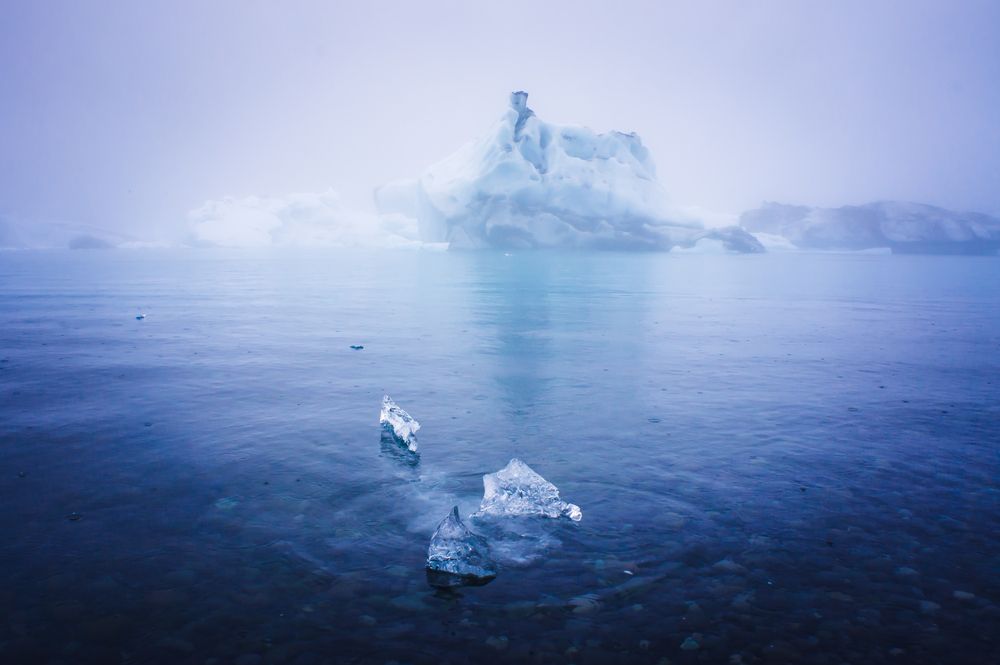
World Glacier Day
Glaciers seem eternal until one looks at them closely: there, in their silence, they hold fresh water, climate history and the pulse of entire mountain ranges. It has been commemorated since 2025 at the initiative of the United Nations, like a warning engraved in ice: what melts does not return unchanged.
Their retreat accelerates sea-level rise, puts pressure on access to water and multiplies natural risks. Speaking of glaciers means speaking of the immediate future: of coastal cities, agriculture and millions of people who depend on meltwater to live.
International Day of Forests
A forest is not merely a landscape: it is living infrastructure that produces oxygen, retains water, houses biodiversity and moderates the climate. The UN has celebrated it every 21 March since 2013, precisely when the year changes its light and it seems easier to imagine a beginning.
Deforestation, fires and degradation turn that ‘lung’ into an open wound. The observance calls for more than admiration: daily responsibility, more conscious consumption and an idea of progress that does not destroy what protects us.
World Down Syndrome Day
The date was not chosen at random: 21/3 recalls trisomy 21, and with it a reality that deserves to be described without condescension. Since 2012, this day has insisted on what is essential: rights, autonomy, opportunities and a full life.
It also confronts us with the weight of stereotypes, those easy narratives that reduce people to a label. Changing our perspective is not a symbolic gesture: it means opening up schools, jobs, cultural spaces and shared decision-making.
International Day for the Elimination of Racial Discrimination
21 March carries a historical wound: in 1960, a peaceful protest in Sharpeville ended with dozens of people murdered. Six years later, the UN made the date a worldwide reminder: racism is not an opinion; it is violence.
The observance does not only look to the past; it points to the present: xenophobia, inequalities, hate speech and everyday discrimination. Naming it is the first step; the next is sustaining policies, education and culture capable of dismantling prejudice.
Week of Solidarity with the Peoples Struggling against Racism and Racial Discrimination
From this very day, the UN promotes a week of solidarity that extends the message: it is not enough to condemn racism once a year. When solidarity is real, it is expressed in actions: listening, repairing, protecting and guaranteeing rights.
The week exists to sustain the conversation when media noise dies down. Because dignity cannot depend on a date: it must be a standard.
World Poetry Day
Poetry is not an ancient luxury: it is a form of sensitive intelligence. UNESCO has celebrated it since 1999 to defend linguistic diversity, support endangered languages and recall that words also build community.
A poem can be refuge or protest, comfort or edge. In hurried times, poetry forces us to read slowly: and sometimes that slowness is the most radical gesture.
International Colour Day
Colour is visual memory: it influences mood, perception and the way we inhabit a space. Since 2009, this day has celebrated colour precisely as the year enters seasons associated with changes in the landscape.
Colour does not merely decorate: it communicates. We choose colours to dress, to design cities, to name emotions. Celebrating it is remembering that reality is also interpreted through sight.
International Nowruz Day
Nowruz means ‘new day’ and is celebrated at the spring equinox as an ancient promise: no winter lasts forever. The UN recognised it in 2010, but its history travels across millennia and entire regions of Central Asia, the Caucasus, the Balkans and the Middle East.
Its spirit is simple and powerful: renewal, cleaning, a shared table and community. Nowruz is a celebration that understands the calendar as hope.
World Puppetry Day
There are objects that gain a soul when someone moves them. UNIMA promoted this day from 2003 to recognise puppetry as cultural heritage: portable theatre, popular imagination, art that speaks with humour and truth.
Puppetry recalls something essential: telling stories does not require grand stages, only a voice, hands and an audience willing to believe.
International Cluster Headache Day
This observance shines a light on extreme and poorly understood pain. Cluster headache — often misdiagnosed for years — affects the entire life of the person who suffers from it because of its intensity and repetitive pattern.
Commemorating it means demanding correct diagnosis, access to treatments and empathy. There are invisible pains that are not measured in silence: they are attended to.
Birthday of Benito Juárez
Mexico remembers today Benito Juárez, born on 21 March 1806: a lawyer, president, key figure in the construction of the modern state and a symbol of justice and equality. His legacy is summed up in an idea of a country where law and dignity are not privileges.
The observance is also an invitation to think of leadership as public service. Juárez remains a proper name, but above all a question: what does it mean to govern for everyone?
Global Money Week
Global Money Week is also celebrated at this time, devoted to financial education from an early age. It is not about glorifying wealth, but teaching people to make decisions: save, plan, understand risks and avoid fraud.
In a world of instant purchases and easy promises, financial literacy is a form of practical freedom.
French Language and Francophonie Week
Between mid- and late March, this week celebrates French as a global and diverse language, spoken with different accents and carrying literature, thought and culture. It is not merely a language: it is a network of communities.
Its value lies in what it enables: dialogue, exchange and creation. A language lives when it circulates, when it mixes with its time and finds new ways of speaking.