
News
21 May: what is celebrated today
There are days that read like an open letter: they speak of what we share without realising it. 21 May brings together a steaming cup and the idea of dialogue, and that conversation — so simple in appearance — ends up touching on enormous themes: work, identity, landscape, memory, future. Today the calendar proposes something almost intimate: sitting down, listening and caring.
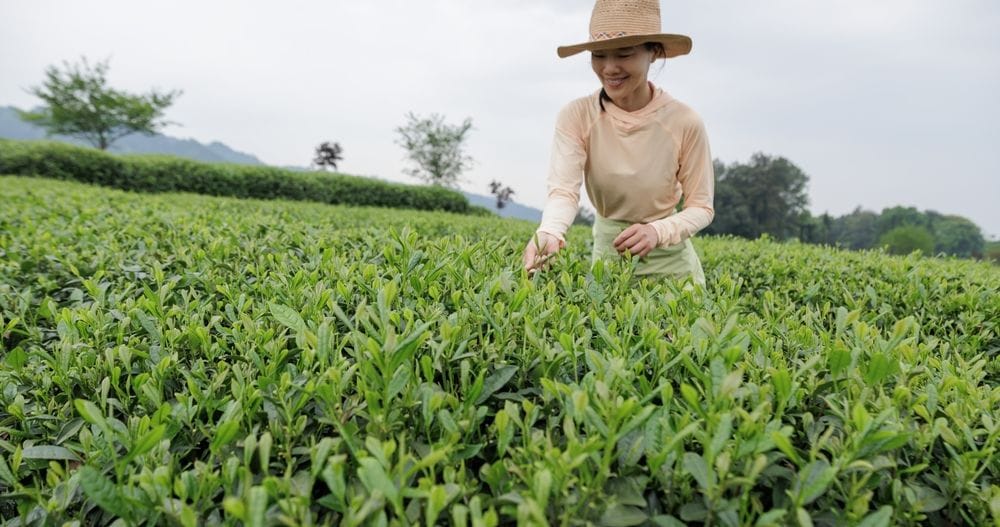
International Tea Day
Tea is a humble drink which nevertheless travels like an idea: it brings together tables, climates and memories. The UN celebrates it on 21 May (officially since 2020) to recall its economic and cultural importance, and to support those who produce it, often small farmers who live to the rhythm of the harvest.
Its origin is told with the flavour of legend: in 2737 BC, Emperor Shen Nung accidentally discovers leaves that perfume water. Whether myth or history, the lesson is clear: tea is born of care. Today the same logic translates into sustainability — “from harvest to cup” — so that the tea chain benefits people and ecosystems, not only the market.
World Day for Cultural Diversity for Dialogue and Development
Cultural diversity is not a slogan: it is recognised in the music that raised us, in ways of greeting, in faith, in humour and in silences. The United Nations established this day in 2003 to promote intercultural dialogue and inclusion, and to combat stereotypes that impoverish societies from within.
When difference is treated as a threat, conflicts grow; when it is treated as heritage, development emerges. Diversity works as a living archive: the more plural it is, the more tools we have to imagine solutions, live together and create.
European Natura 2000 Day
Europe has a network of places that cannot be seen from motorways, but without them the continent would breathe less easily. The Natura 2000 Network brings together thousands of protected spaces — forests, mountain ranges, wetlands — where habitats and species are preserved, and where human activity seeks to coexist with nature without devastating it.
The date was chosen for a legal milestone: on 21 May 1992 the Habitats Directive, one of the foundations of this protection, was adopted. Celebrating it means remembering that these territories are not “postcards”: they sustain water, air, carbon, rural economies and a simple idea of a habitable future.
World Day for the Protection of Breastfeeding
Breastfeeding is not only a practice; it is a right that needs context to exist. This 21 May, promoted by the Pan American Health Organization, focuses on real barriers: commercial pressures, lack of workplace support, misinformation and environments that turn an intimate choice into a field of judgement.
The protection of breastfeeding took international form with the International Code of Marketing of Breast-milk Substitutes (1981). But the central idea remains human: if a mother decides to breastfeed, society should facilitate it, not hinder it — with spaces, time, respect and supporting policies.
International Arts Education Week
During these days in May, the calendar opens a window to remember that education also means teaching people to look. Proclaimed by UNESCO in 2011, this week defends arts learning as a driver of dialogue, diversity and social cohesion.
Art develops what cannot fit in an exam: empathy, imagination, sensitivity to the world. Painting, doing theatre or music does not “distract” from knowledge: it broadens it. In times of quick answers, creating is learning to think more deeply.
Africa Week
Africa Week celebrates heritage, cultures and historical connections that run across the planet. It is presented as a space for integration and coexistence, where art, gastronomy, music and public conversation help dismantle single perspectives on a multiple continent.
It also connects with a key date: 25 May recalls the founding of the Organisation of African Unity (1963). Looking at Africa during this week is looking at the past and future at once: innovation, youth, sustainable development and stories that deserve to be told without simplification.
World Respectful Birth Week
The third week of May also speaks of rights, but at the threshold of life. Since 2004, this week has called for dignified care for pregnant women and their babies: without violence, without unnecessary practices, with clear information and decisions that are supported, not replaced.
Respectful birth means recognising autonomy and timing, and understanding that healthcare is not only technique: it is treatment. In an era when everything speeds up, this anniversary recalls something essential: being born should not be a cold procedure, but a protected human event.