
News
22 December: what is celebrated today
Barely a day after the solstice, the world wakes with a different air: daylight begins to lengthen in the north, and summer shines strongly in the south. It is a time of subtle transitions, where science and everyday life intertwine. Amid this ebb and flow between seasons and temperatures, today we celebrate the instrument that has known how to translate the language of heat and cold: the thermometer. Its discreet precision and silent history have accompanied the development of medicine, meteorology and technology for centuries, making it a symbol of humanity's desire to measure
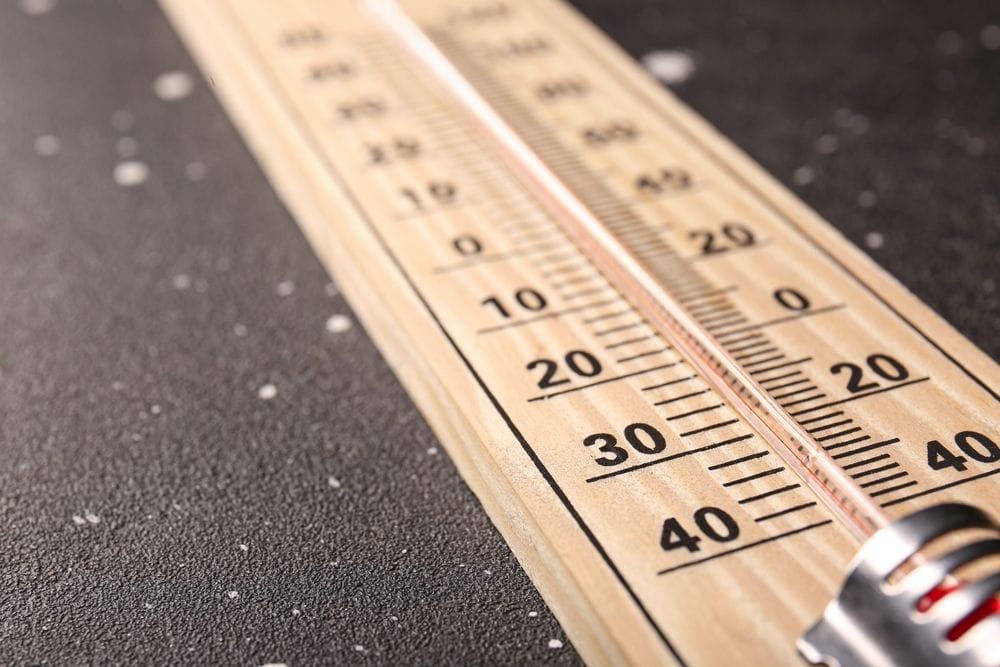
World Thermometer Day
On 22 December, World Thermometer Day is celebrated, a date that pays tribute to an object so common that we rarely notice its importance. Yet behind that glass tube or digital display lies a long history of ingenuity. It was Galileo Galilei who, in the 16th century, conceived the first “thermoscope”, an idea that transformed our relationship with temperature: for the first time, heat and cold ceased to be mere sensations and became figures, knowledge.
Decades later, the Jesuit Jean Leurechon coined the term thermometer, and in the 18th century Gabriel Fahrenheit took the decisive step by inventing the mercury model, also establishing the scale that bears his name. He was joined by Jean-Pierre Christin, creator of the centigrade scale — later known as Celsius — which today measures the temperature of almost the entire planet. Behind every number shown by mercury or a digital sensor lie centuries of experiment, observation and a desire for precision.
Over time, the thermometer became an essential medical tool. From the first clinical models of the 19th century to modern digital and infrared devices, this small instrument has witnessed pandemics, scientific advances and intimate moments of care. In recent years, during the global health crisis, it again occupied the centre of our routines, reminding us that taking a temperature is also a way of monitoring the fragility of life.
Today, digital thermometers have replaced mercury in the name of safety and the environment. But the essence remains the same: to capture the invisible pulse of heat, that balance which sustains existence. The thermometer, humble and precise, continues to speak to us in a universal language, in which every degree contains the history of the human body and the planet we inhabit.