
News
22 July: what is celebrated today
There are dates that seem a map of the body and the planet at the same time: what happens inside us and what we do outside, in shared territory. 22 July brings together a double invitation: to care for the mind —that intimate machine which sustains memory, mood and identity— and to look squarely at the effects of certain human activities on land and water. And, between both tensions, a simple gesture appears: rest, slow down, let the world breathe with us.
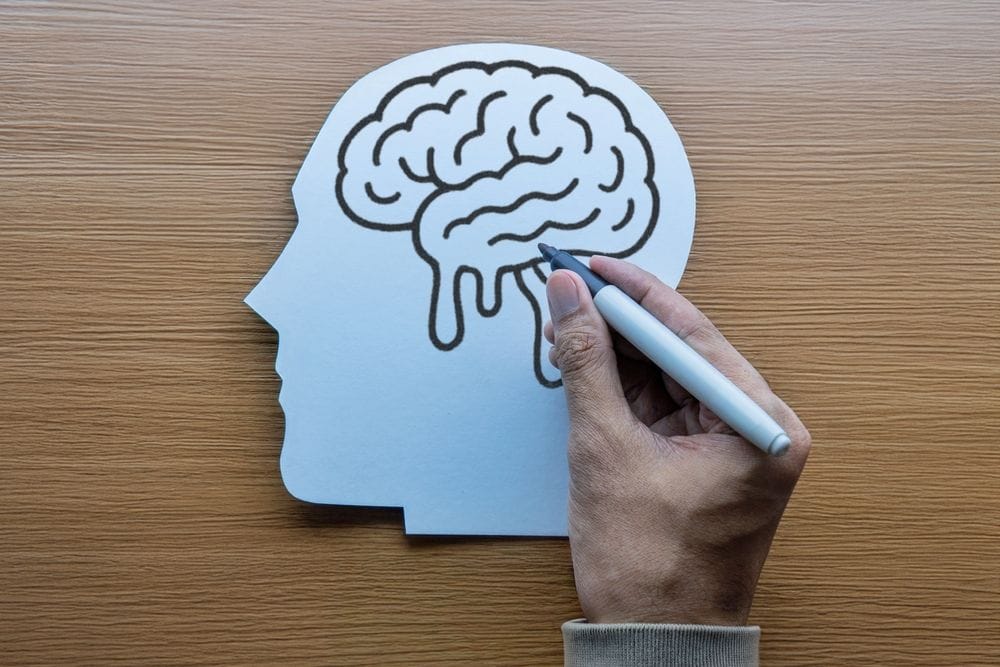
World Brain Day
World Brain Day has been celebrated every 22 July since 2014, promoted by the World Federation of Neurology, to remind us that “grey matter” is not an abstract concept: it is the organ that directs what we think, feel and do. It consumes a huge portion of our daily energy, coordinates language, attention and memory, and sustains something as fragile as mental health.
This day usually focuses on prevention and raising the visibility of neurological diseases and mental disorders which often advance silently. Disabling migraines, strokes, neurodegenerative diseases or mood disorders are not merely diagnoses: they change entire lives and rewrite routines. The underlying message is simple: brain health is protected before damage becomes irreversible, and it is also supported with empathy when disability appears.
Caring for the brain does not require heroic deeds, but consistency: physical activity, sufficient sleep, a balanced diet, intellectual curiosity, social ties and attention to risk factors such as hypertension or chronic stress. And, perhaps the most difficult thing in fast-paced times: asking for help in time when anxiety or depression stop being “a rough patch” and begin to weigh too heavily.
World Day Against Open-Pit Mining
World Day Against Open-Pit Mining is also observed on 22 July to warn about the impact of megamining, large-scale extraction that disturbs large areas of land and uses chemical substances in extraction processes. It is not an abstract discussion: it translates into compromised water, altered soils, fragmented ecosystems and communities divided between employment, health and the future.
The observance seeks to spread information and open a public debate about human and environmental rights: who decides what is extracted, where and at what cost. On a planet already showing the strain, looking at the footprint of certain industries is a form of collective responsibility. Talking about open-pit mining is talking about limits, controls, alternatives and transparency.
World Fragile X Syndrome Day
22 July also raises the visibility of World Fragile X Syndrome Day, a genetic disorder associated with the FMR1 gene, linked to the X chromosome, which affects neurological development. It is one of those realities that require more than medical information: they require inclusion, support and resources for families, schools and healthcare systems.
Naming this syndrome on the calendar means fighting isolation and stigma. Talking about difficulties in language, attention or learning should not reduce anyone to a diagnosis. The observance reminds us that quality of life depends, to a large extent, on social understanding: accessibility, early support and environments that do not punish difference.
Hammock Day
And, as an ending that seems light but is deeply necessary, Hammock Day celebrates the art of resting. The hammock —chinchorro in many places— is not merely an object: it is a cultural invention, a way of sleeping and being, a swaying that orders breathing and, for a moment, takes weight off the world. In several countries it is celebrated on this date because it symbolically marks the middle of summer.
There is something revealing about brain health, environmental discussion and rest coexisting on the same day: the body and the planet also grow tired. Celebrating the hammock is remembering that a pause is not laziness, but maintenance. That resting is also a form of care, and that without care —for the brain, the environment, the most vulnerable— no future can be sustained.