
News
23 July: what is celebrated today
There are days when the calendar seems to unite distant worlds: the immensity of the ocean and the fragility of the human body. 23 July is one of them. A date that forces us to look outwards—to the open seas, home to some of the planet's most intelligent creatures—and at the same time inwards, to silent illnesses that accompany thousands of people without becoming visible. Environmental awareness and health awareness advance in parallel today.
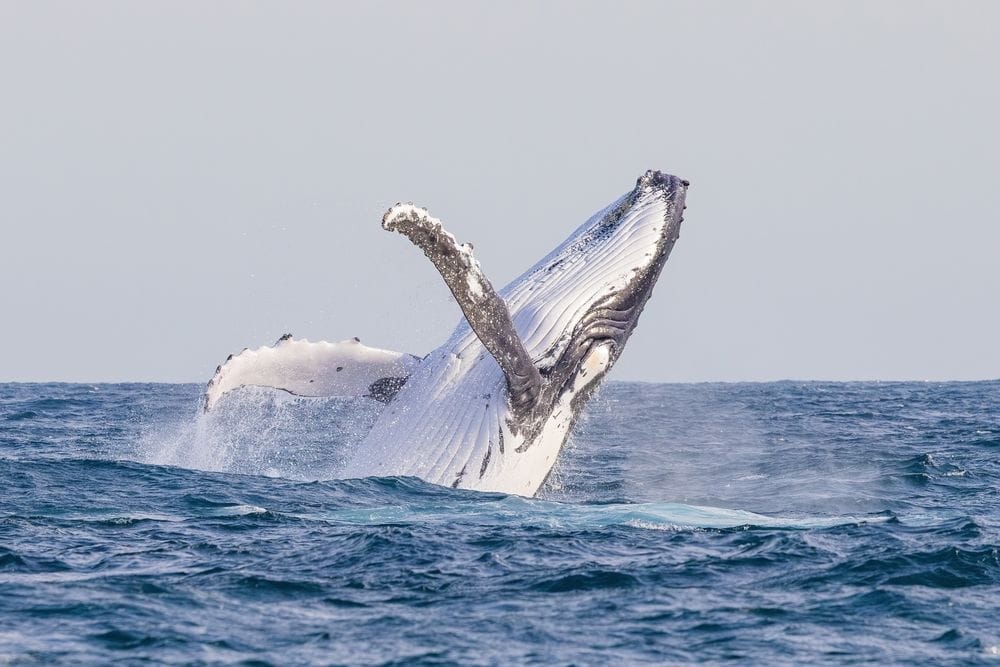
World Whale and Dolphin Day
World Whale and Dolphin Day has been observed every 23 July since 1986, when the International Whaling Commission promoted a moratorium to halt commercial whaling. Over time, the observance broadened its focus to include dolphins as well, symbols of intelligence, sociability and marine balance.
The date arose in response to decades of indiscriminate hunting that brought many species to the brink of extinction. Although the ban marked a before and after, the threat has not disappeared: some practices continue under ambiguous justifications, and human pressure still takes the form of pollution, underwater noise and fishing nets.
Celebrating this day means recognising that whales and dolphins are not only majestic animals, but key pieces of ocean ecosystems. Their presence indicates the sea’s health, and their disappearance would be a global alarm signal. Protecting them means defending the ocean as a shared space, on which much of the planet’s climatic and biological balance depends.
World Sjögren’s Syndrome Day
23 July also draws attention to a less visible reality with World Sjögren’s Syndrome Day, a chronic autoimmune disease that mainly affects the glands responsible for producing moisture in the body. Dry eyes and mouth are its best-known symptoms, but not the only ones: the syndrome can affect joints and internal organs, profoundly altering everyday life.
One of the greatest challenges of this disease is late diagnosis. Its symptoms are often confused with common discomforts, delaying access to appropriate treatment and support. That is precisely what the observance seeks: visibility, information and reduced stigma, especially among adult women, the most affected group.
Talking about Sjögren’s Syndrome means talking about quality of life, medical listening and social empathy. Not all diseases are visible to the naked eye, but all deserve attention, research and support. This day reminds us that health must also be defended with information and understanding.