
News
23 May: what is celebrated today
There are dates that seem to bring together different subjects, but looked at closely they speak of the same core: dignity. On 23 May, we are reminded that health should not depend on where we are born, that sport can also open a door to equality and that nature—ancient and patient—needs defending. Between the urgent and the everyday, this day draws a map: care is a concrete form of justice.
International Day to End Obstetric Fistula
There are wounds that should not exist in the 21st century and yet persist where the healthcare system fails. Obstetric fistula is a serious injury associated with difficult and prolonged childbirth: when the baby's head compresses tissues for too long, damage can occur and an abnormal passage can open, resulting in incontinence and often chronic illness, depression and social isolation. It is a medical tragedy, but also a social one: many survivors bear stigma as well as pain.
The UN proclaimed this day in 2013 to underline a decisive truth: fistula is, to a large extent, preventable and treatable if there is timely obstetric care, pregnancy monitoring and surgical resources. The 2025 slogan — «Her health, her right: Building a future without fistula» — puts the focus where it belongs: on the right to quality care and on listening to affected women as the centre of solutions, not as a footnote.
International Women's Football Day
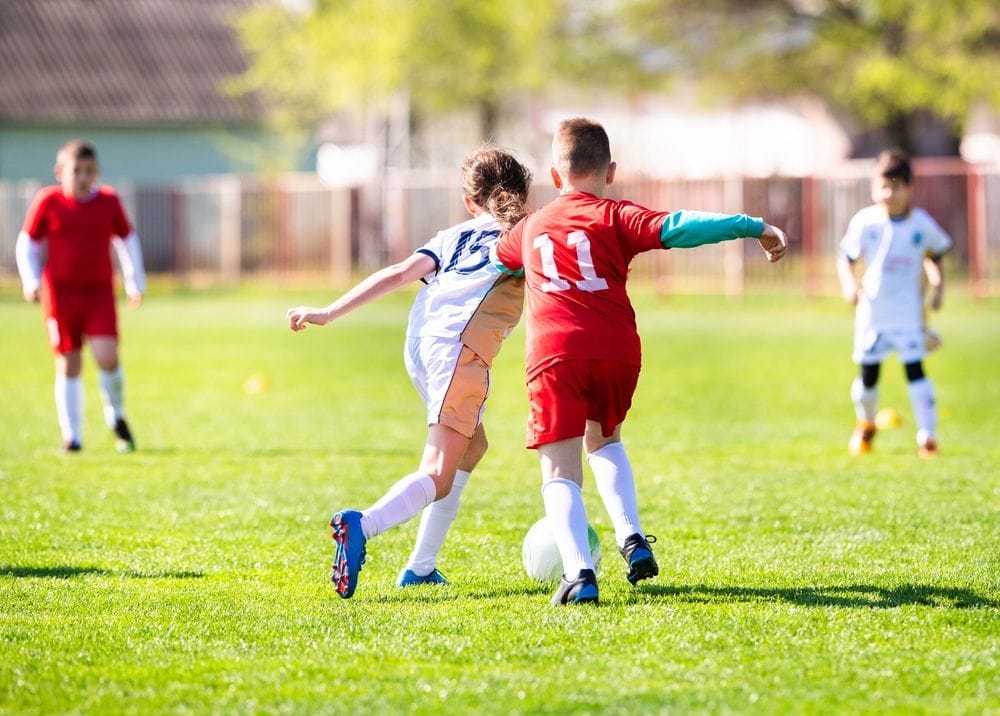
Women's football does not only celebrate goals: it celebrates space won. Promoted since 2015 by CONCACAF, this day recognises women and girls who have been breaking barriers in a sport presented for decades as male territory. Every training session, every school league, every televised match is a small historical correction.
Football's strength lies in its multiplying effect: one girl sees another play and understands that she can too. And that idea expands beyond the pitch — to self-esteem, ambition and equal opportunities. It is not only female footballers who are honoured: also coaches, referees, doctors, journalists and all those who sustain the game from within.
World Turtle Day
Turtles seem to carry time on their shells: they move slowly, but have survived entire eras. The fact that they are threatened today says much about our present. Since 2000, this observance, promoted by American Tortoise Rescue, has sought to raise awareness of the need to protect them, both land and sea turtles.
Habitat destruction, pollution, illegal trafficking and the trade in eggs or animals continue to push many species towards the edge. Protecting them is not only tenderness for the ancient: it is defending whole ecosystems. Sometimes conservation begins with simple decisions: not buying wildlife, supporting serious projects, respecting nesting areas and understanding that looking does not always have to become owning.
World Melanoma Day
Skin is our largest boundary and also the most exposed. Melanoma is the most serious type of skin cancer: it can be curable if detected in time, but is especially dangerous because of its ability to spread. That is why this day insists on an idea that does not sound epic but saves lives: observe, consult, act early.
Prevention is an everyday form of care: avoid intense radiation, use physical barriers and sunscreen, and pay attention to moles or lesions that change. The «ABCDE» rule (asymmetry, borders, colour, diameter, evolution) turns vigilance into a habit, and habit into an opportunity. At heart, the campaign speaks of something very human: not putting off what matters because it seems small.
International Arts Education Week
In the same week of the calendar, UNESCO reminds us that education is not only transmitting information: it is also training the gaze. Proclaimed in 2011, this week defends arts learning as a tool for dialogue, diversity and social cohesion. Art teaches us to interpret the world when the world does not fit in a single answer.
Painting, music, theatre or dance are not an ornamental “extra”: they develop creativity, empathy and critical thinking, and open spaces for those who sometimes do not find their voice in strictly academic settings. In times of fast screens, arts education proposes a fertile pause: create to understand, imagine to live together.
World Respectful Birth Week
The third week of May also focuses on an essential right: to be born and give birth with dignity. Since 2004, this week has called for care centred on the woman and baby, with clear information, respect for decisions and timing, and without unnecessary invasive practices. It is not romanticism: it is healthcare quality and human rights.
Respectful birth speaks of autonomy and good treatment: chosen support, privacy, listening, and a system that does not turn birth into an experience of fear or violence. On a day that also discusses eradicating a preventable injury such as fistula, the message connects naturally: caring for maternal health is not a “women's issue”; it is a measure of civilisation.