
News
24 January: what is celebrated today
24 January unfolds as a dense, plural day in which the world celebrates education, cultural diversity, public health, shared faith, journalism and the visibility of a rare disease. It bridges the intimate and the collective: what we learn, what we tell, what unites us and what we still need to understand better. In midwinter, it reminds us that humanity advances through its ability to think, talk, care and create.
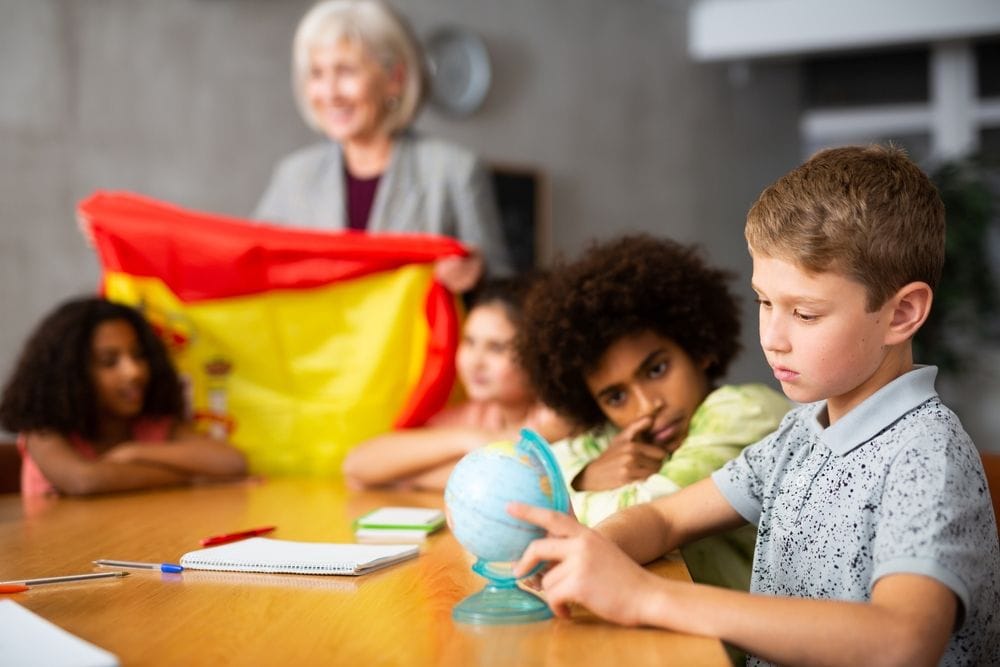
International Day of Education
The UN proclaimed this day to underline what is obvious and yet always urgent: without education there is no equality, no full citizenship, no sustainable future. Education supports the capacity to imagine, to debate and to transform realities. Despite progress, millions of children remain out of school and just as many do not acquire the basic tools needed to navigate the world.
In 2025, the focus falls on the link between artificial intelligence and human autonomy. The question is as ethical as it is educational: how can we ensure that technologies accompany, rather than replace, our capacity to decide? This day invites reflection on the relationship between knowledge, freedom and responsibility.
Celebrating it means understanding that every classroom — real or digital — is a small laboratory where the world we want to inhabit is rehearsed.
World Day for African and Afrodescendant Culture
UNESCO established this day to celebrate the depth, vitality and legacy of African cultures and their diasporas. Africa is root and movement: rhythms, languages, memories, spiritualities and forms of resistance that have shaped world history.
In Latin America and the Caribbean, Afrodescendant heritage is expressed in festive traditions, popular arts, martial arts such as capoeira, and rituals that mix the sacred and the everyday. These gestures and dances, often born in contexts of oppression, have today become symbols of creativity, dignity and belonging.
The day invites us to recognise a presence that is not of the past but of the present: alive, transformative and indispensable to understanding global culture.
World Moebius Syndrome Day
Moebius syndrome, a rare condition described in the 19th century, affects the nerves that allow facial expression. Those affected cannot smile, frown or move their eyes sideways. In a world that interprets gestures as emotional signals, this condition presents profound challenges in communication and socialisation.
Although there is no cure, medical advances make it possible to improve quality of life through early care, specialist therapies and reconstructive procedures. But public awareness is equally important: the face does not always reveal what we feel, and empathy requires a broader outlook.
This day reminds us that diversity also exists in what cannot be seen at first glance, and that inclusion begins by learning to listen beyond facial expression.
Journalist Day (Spain)
In Spain, 24 January pays tribute to those who dedicate their lives to telling the world’s story. Journalism, so often put to the test, remains an essential tool for understanding reality, defending transparency and sustaining democracy.
The date coincides with the patron saint of journalists, Saint Francis de Sales, but its meaning goes beyond the symbolic. In an era of disinformation, algorithms and the dizzying pace of information, the profession demands rigour, judgement and courage. Every article, report and interview is an attempt to order chaos, give a voice to those who do not have one, and keep watch on abuses of power.
Celebrating this day means recognising that without a free, critical and well-informed press, the right to information remains incomplete.
European Cervical Cancer Prevention Week
During the third week of January, Europe concentrates its efforts on raising awareness of a preventable cancer which is nevertheless still common and deadly. Health education, HPV vaccination and regular check-ups are the most effective tools for reducing its impact.
Information campaigns seek to reach young and adult women directly, dispel myths and normalise gynaecological check-ups. Although the statistics are alarming, this week’s message is essentially hopeful: prevention saves lives and every act of information multiplies that possibility.
Public health is a shared task, and this week reminds us that self-care is also an act of collective responsibility.
Week of Prayer for Christian Unity
From 18 to 25 January, different Christian communities around the world come together in a gesture of common seeking. Beyond doctrinal differences, this week proposes a spiritual and human exercise: to pause, listen and build bridges.
Each year, a theme guides reflections and celebrations. Churches read biblical texts, organise gatherings, share liturgies and discuss justice, mercy and reconciliation. In a world marked by divisions, the call for unity takes on special resonance.
Spirituality, in this context, becomes a space of hospitality: a reminder that peace begins with the willingness to understand others.