
News
24 February: what is celebrated today
24 February always arrives with a singular blend of craft, history and memory. It is a day that moves between the intimacy of a bar — where a bartender hones their art as one hones an everyday gesture — and the strength of a people who found in their women the foundation to rise after devastation. Two very different celebrations, united by the same idea: recognising the dignity of human work, the ability to care for others and the value of sustaining a community, whether with a well-served cocktail or an act of sacrifice that changed the course of a country.
World Bartender Day
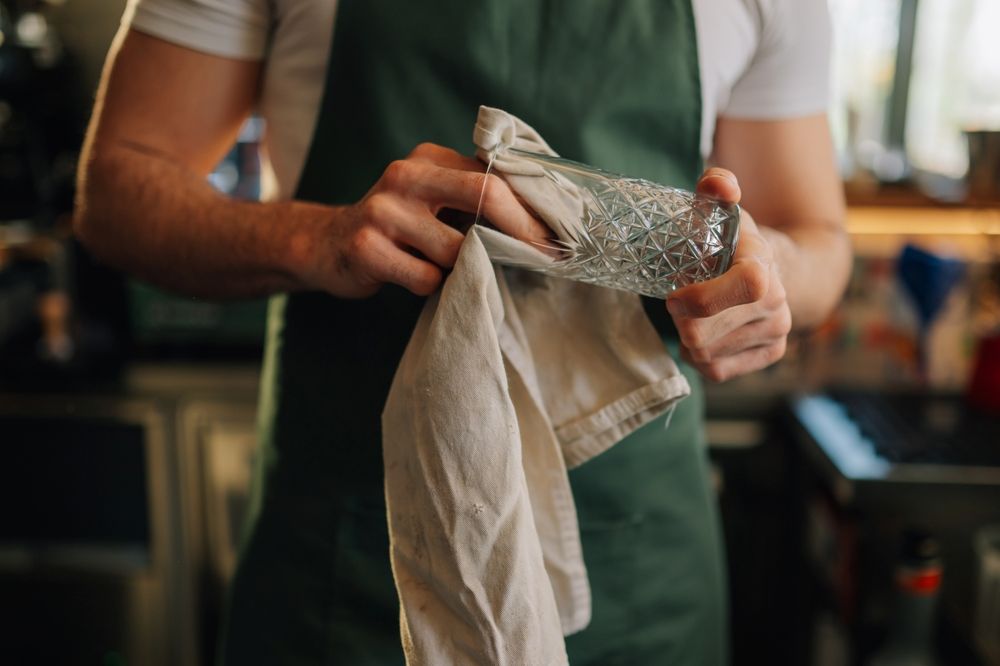
24 February celebrates those who, from the other side of the bar, turn routine into a small ritual of hospitality. World Bartender Day — a date whose history is diffuse and shared among traditions and countries — pays tribute to those professionals who mix flavours, listen to stories and discreetly sustain the social pulse of a city. In some places the commemoration is moved to 6 February, in honour of San Amando, patron saint of brewers and tavern keepers; in other countries, such as Argentina, it is celebrated in April. But the date matters less than the intention: recognising those who make the night a welcoming place.
The work of a bartender rarely receives the gratitude it deserves. It is a demanding profession, marked by changing hours, constant attention and a precision that combines technique and sensitivity. Celebrating it means not only congratulating the person who serves a drink, but also remembering the humanity behind every everyday gesture: the patience, listening and courtesy that we often take for granted. This day invites something simple and essential: gratitude. A sincere “thank you” can also be a form of celebration.
Paraguayan Women’s Day
Every 24 February, Paraguay recalls a decisive chapter in its history: the first Asamblea de Mujeres Americanas, held in Asunción in 1867, in the midst of the War of the Triple Alliance. That day, in an act of patriotism as moving as it was risky, hundreds of women donated their jewellery to sustain a nation in ruins. Their names and donations were recorded in the «Libro de Oro», a document still preserved as a testament to resilience and courage.
The commemoration was officially established in 1974, promoted by historian Idalia Flores de Zarza and MP Carmen Casco de Lara Castro, coinciding with the International Women’s Year proclaimed by the UN. Since then, the country has honoured not only that historical gesture, but also the legacy of women who — in times of war and in the slow reconstruction that followed — took on enormous responsibilities in homes, communities and public spaces.
Today, Paraguayan Women’s Day is an invitation to look at that past with respect and to recognise everything that changed thanks to them: the ability to sustain a devastated nation, the strength of a society that rebuilt itself through everyday gestures and the decisive presence of women in the country’s cultural, economic and political life. It is a tribute that does not look only backwards, but converses with the present, recalling that the courage of that time remains a source of inspiration.