
News
25 February: what is celebrated today
25 February brings together two different perspectives on care: one that restores sound to those who had lost it, and another that looks after the silent wellbeing of the animals who live alongside us. It is a day that engages with technology and ethics, with high-precision medicine and everyday acts of responsibility towards other living beings. Both commemorations share a common idea: the human capacity to protect, support, and improve the lives of others.
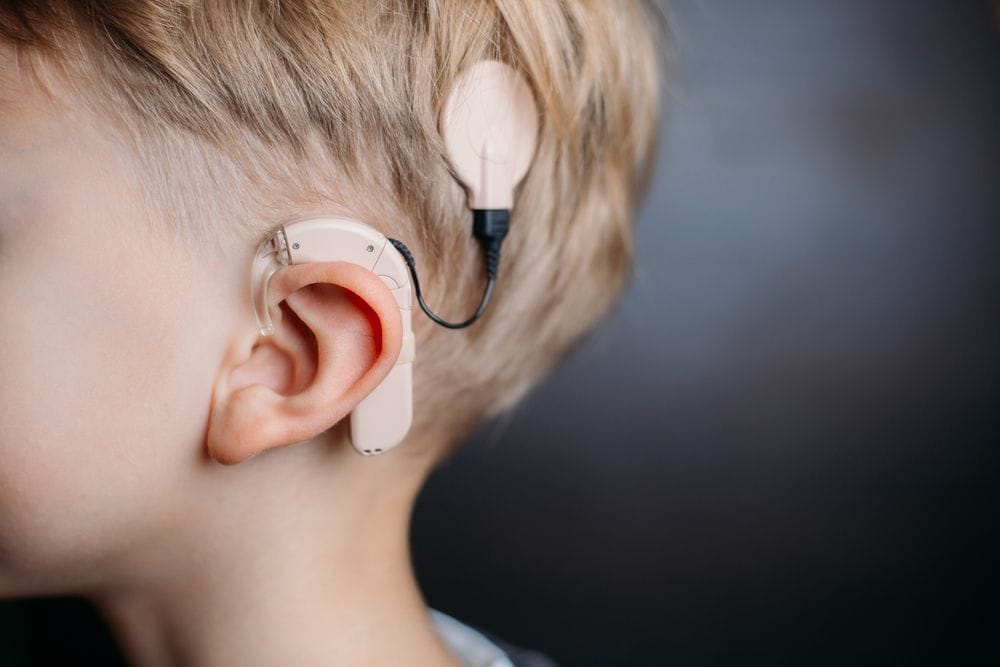
International Cochlear Implant Day
On 25 February 1957, in a French operating theatre, doctors André Djourno and Charles Eyriès achieved something that seemed impossible: a man with profound deafness heard again thanks to electrical stimulation of the inner ear. That first cochlear implant opened a path that transformed the lives of thousands of people, and since 2009 this date has been observed in more than sixty countries as a symbol of scientific progress and the dignity of hearing accessibility.
A cochlear implant is not only a medical device: it is an opportunity to recover voices, nuances and soundscapes that for many seemed lost. The observance reminds us that technology, when put at the service of inclusion, can become a form of justice. It also invites recognition of those driving that transformation — researchers, health professionals and associations of deaf people — and understanding that hearing is not always a natural fact, but sometimes a shared achievement.
World Animal Sterilisation Day
The last Tuesday of February is devoted to a cause deeply connected to animal welfare: sterilisation as an ethical tool to prevent abandonment, overpopulation and the killing of healthy animals. Proclaimed in 1995 by the Human Society Veterinary Medical Association, this day champions a simple act that saves lives: controlling reproduction so that fewer dogs and cats end up on the street, ill or helpless.
Sterilisation — whether of females or males — is not only a veterinary procedure, but a form of responsible ownership. It reduces the risk of serious illnesses, improves behaviour and helps prevent unplanned litters from ending up in overcrowded shelters. The day encourages people to get informed, take part in local campaigns and reflect on the commitment involved in adopting a pet. In the end, this day is not only about surgery: it is about empathy, community and the need to care for those who depend on us.