
News
26 January: what is celebrated today
26 January is a date that breathes complexity. It spans global public health, environmental sustainability, the energy of the future, world trade, occupations linked to the sea and rare diseases. It also coincides with the final stretch of a European week devoted to preventing cervical cancer. It is a day that compels us to look at the planet from multiple perspectives: how we inhabit it, how we care for it, how we relate to one another and how we protect those in situations of vulnerability. All in a single day that mixes urgencies, learning and acts of recognition
World Leprosy Day
Since 1954, the last Sunday in January has invited reflection on a disease surrounded for centuries by stigma and isolation. Leprosy, caused by a bacterium that develops extremely slowly, is now curable if detected in time. Yet in many parts of the world it remains a symbol of exclusion.
The visible scars of the disease shaped social perceptions for generations, relegating those affected to isolated spaces and institutional neglect that still leaves its mark. Although medical advances have been enormous, discriminatory laws still exist and thousands of people live on the margins for fear of rejection.
This day insists on what is fundamental: leprosy does not define those who have it. What does define a society is its ability to break down prejudice.
World Environmental Education Day
This day reminds us that understanding natural systems is an essential condition for protecting them. Environmental education is not a theoretical discourse, but an everyday practice that teaches us to observe our surroundings, recognise their limits and act responsibly in the face of threats such as climate change, biodiversity loss and pollution.
Its origins lie in the major international conferences that, from the 1970s onwards, began to alert the world to ecological urgency. The Carta de Belgrado and the later Rio summits laid the foundations for a vision: sustainability is only possible if people are educated for it.
Today, more than ever, this day prompts us to think of future generations. Every decision — recycling, conserving, staying informed, demanding policies — forms part of a single act of care.
International Clean Energy Day
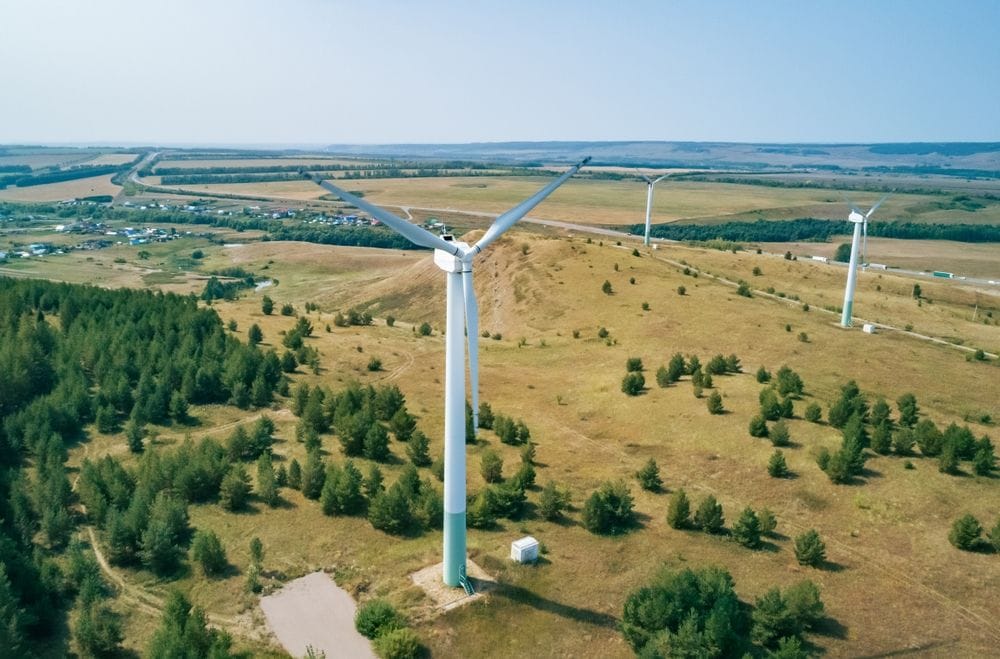
Proclaimed by Naciones Unidas, this day underlines the need to accelerate the transition towards renewable energies that reduce dependence on fossil fuels. On a planet experiencing unprecedented heatwaves, extreme droughts and ever more violent weather events, clean energy is not a futuristic aspiration: it is an urgent need today.
The creation of this day coincides with the anniversary of the foundation of IRENA, the international body that promotes the development of sustainable energies. Solar, wind, hydroelectric and geothermal energy are now more accessible and economically competitive, but there is still a long way to go before they fully replace the traditional model.
This date invites us to rethink our own relationship with energy: how we produce it, how we consume it and what world we are building through those choices.
International Customs Day
Customs are a border and, at the same time, a meeting point. They regulate goods, monitor security, combat smuggling and protect consumers from dangerous or counterfeit products. They are also vital to the economy: more than 90% of world trade passes through their controls.
Established by the Organización Mundial de Aduanas, this day highlights the little-seen but indispensable work of those who ensure that goods and people move lawfully and transparently. From the major Asian ports to the most remote land borders, customs work sustains the structure of global trade.
In 2025, the international slogan highlights the importance of effectiveness and security as pillars of a modern customs system.
World Fishermen’s Day
26 January pays tribute to those who depend on the sea, rivers and lakes for their living. From fishers who spend months on the high seas to those working in small boats, this day recognises an occupation marked by physical effort, harsh conditions and a profound connection with nature.
Fishing sustains entire economies, feeds millions of people and preserves traditional knowledge that forms part of the cultural heritage of many peoples. It also recalls the fragility of marine ecosystems and the importance of combating illegal fishing, a threat to biodiversity and to those who practise this occupation responsibly.
It is a celebration combining respect and gratitude: for the work, the tradition and the resilience.
World Kawasaki Disease Day
Kawasaki disease, classified as rare, mainly affects children under five. Its origin remains a mystery, and its diagnosis a challenge. Inflammation of blood vessels can lead to cardiac complications, making early detection essential.
This day seeks to raise the visibility of patients and families living with the uncertainty and complexity of a little-known disease. Support associations call for research, medical training and resources that make it possible to improve both diagnosis and treatment.
Remembering this date is an act of solidarity: no rare disease should be relegated to silence.
European Cervical Cancer Prevention Week
On its final day, this week recalls the importance of health education and preventive checks. Cervical cancer is largely preventable, but thousands of women are still diagnosed too late because of a lack of information, access or medical follow-up.
European campaigns emphasise HPV vaccination, regular smear tests and the dissemination of reliable information. They also seek to break down stigmas that make it harder to speak openly about reproductive health.
The week ends, but the message remains: prevention is protection.