
News
26 November: what is celebrated today
26 November is a date on which the planet seems to remember its roots, its responsibility and its humanity. From ancient olive trees that symbolise peace to advances in higher education, passing through environmental awareness, this day weaves a network of observances that speak of respect—for the environment, knowledge and life itself. It is a day of balance between the land that feeds us and the ideas that lift us up.
World Olive Tree Day
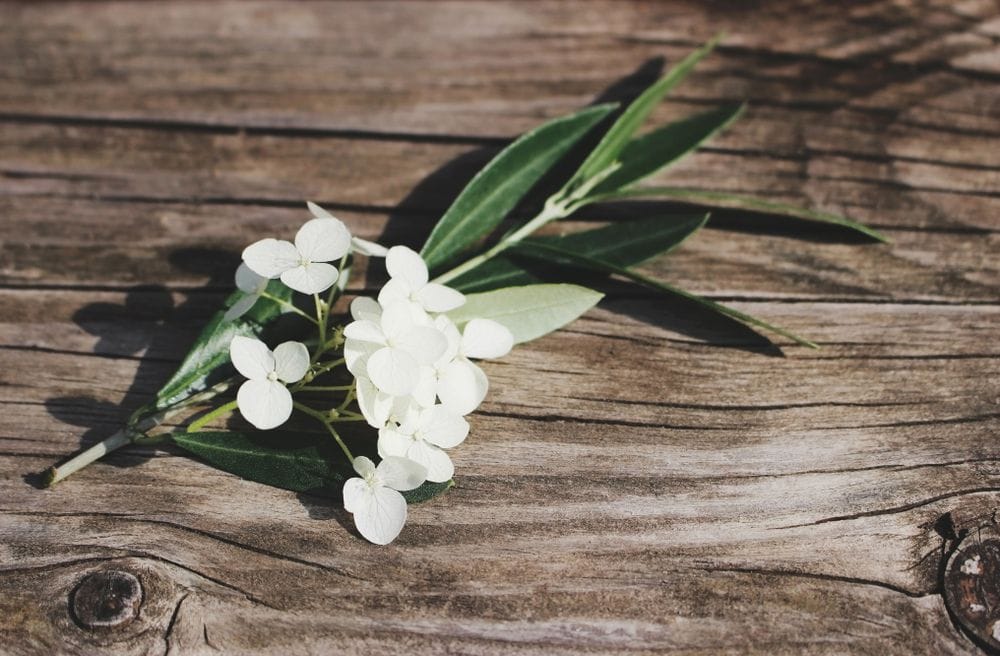
The olive tree is much more than a tree: it is a living memory. Born on the shores of the Mediterranean, this symbol of peace and wisdom has accompanied humanity for more than four thousand years. Its twisted, serene silhouette, its modest yet essential fruit, represent the union between nature and culture. UNESCO proclaimed this observance in 2019 to honour the importance of the olive tree not only as an agricultural resource, but as an emblem of civilisation and dialogue between peoples.
Ancient stories dwell in its branches: laurel crowns for victors, lamps lit with its oil, prayers on the Mount of Olives. Today, celebrating its day also means championing sustainability and balance with the land. In every drop of oil, the world finds a reflection of patience, time and harmony.
World Sustainable Transport Day
Getting around can also be an act of awareness. Sustainable transport, recognised by the UN since 2024, is not only about reaching a destination, but about doing so without harming the path. This day reminds us that 25% of global greenhouse gas emissions come from transport, and that changing that figure requires a new way of thinking about mobility: fewer deafening engines, more footsteps and pedals that breathe.
In cities that commit to bicycles, electric trams or green avenues, the air becomes clearer and life more human. Celebrating this date means recognising that sustainability is not a utopia, but an everyday choice: every journey can be a gesture of respect for the planet.
World Day Against Indiscriminate Use of Agrochemicals
Scars also remain in the memory of the earth. 26 November recalls the tragedy of Bhopal, India, in 1984, when a leak of chemicals used in pesticides became one of the worst industrial disasters in history. Since then, organisations grouped in the Pesticide Action Network have commemorated this day to warn about the effects of the abusive use of agrochemicals.
Every year, millions of hectares of fertile soil are affected by products that promise abundance but sow pollution. This day seeks to promote fairer, more sustainable agriculture, where knowledge and science work in favour of life, not against it. Respecting natural cycles is also a form of wisdom.
World Access to Higher Education Day
Education is the seed of the future, and this day — created in 2018 by the Education Opportunities Network — reminds us that not everyone can plant it. Millions of young people around the world still face economic, social or geographical barriers to accessing university. UNESCO stresses the importance of equal opportunities as a pillar of the 2030 Agenda, because knowledge should not be a privilege, but a universal right.
Celebrating this day means looking beyond classrooms: it means committing to a world in which intelligence, creativity and effort do not depend on one’s place of birth. Every student who manages to cross a university door is a promise of the future fulfilled.
World Alpha-Mannosidosis Day
Among matters of health and hope, this date sheds light on a rare disease: alpha-mannosidosis. Only a few people in the world suffer from it, caused by an enzyme deficiency that affects multiple body systems. Its diagnosis is complex, and its treatment is still limited. But the commemoration of this day — driven by patient associations and scientists — seeks to give visibility to those living with this condition, break the silence surrounding uncommon diseases and encourage research.
It is a reminder that empathy can also be a form of science: to look at others with understanding, invest in their wellbeing, and understand that every life, however singular, has incalculable value.