
News
28 April: what is celebrated today
28 April seems to be written in the ink of responsibility. It does not speak of noisy celebrations, but of the invisible infrastructure that sustains life: work without harm, education as a right, health as a shared network. And, in the middle of it all, nature — fragile and ancient — reminding us that it too deserves protection. Today, more than commemorating, it is time to ask what we care for and who we leave behind.
World Day for Safety and Health at Work
Since 2003, the ILO has marked 28 April as a global reminder: work should not cost lives or health. This date is both a campaign and a mourning: it promotes safe conditions, and pays tribute to those who died or were injured by workplace accidents and occupational diseases.
In recent years, the conversation has become more complex: it is not only about helmets and protocols, but about new and cumulative risks. The 2024 theme — the impacts of climate change on safety and health — makes it clear: extreme heat, air pollution and ultraviolet radiation are no longer “context”; they are part of the workplace. Caring today requires anticipating, adapting and accepting that prevention is a concrete form of dignity.
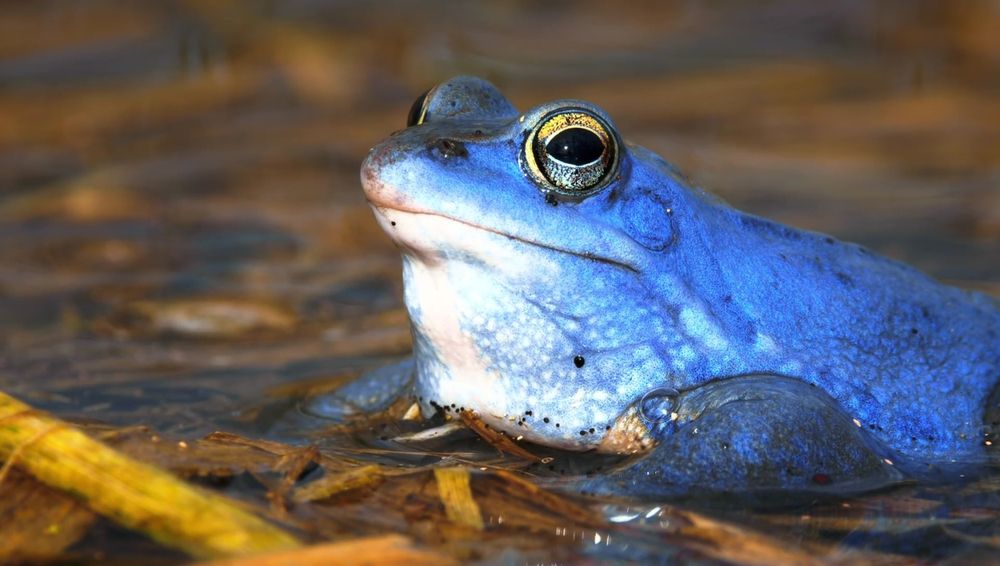
International Amphibian Conservation Day
28 April also raises its voice for a family of beings that lives between two worlds: amphibians. Their skin — as sensitive as an indicator — registers changes in the environment before anyone else: pollution, habitat loss, toxic waste, altered climate. That is why their decline is not merely bad zoological news: it is an ecological alarm.
Frogs, toads, salamanders and newts sustain quiet balances: they control insect populations, feed predators, connect nutrients between water and land. Protecting them is, at heart, protecting the planet's fine fabric, bypassing the illusion that nature is scenery and not a life-support system.
Global Action Week for Education
From 28 April to 5 May, education becomes a slogan that walks: Global Action Week for Education, promoted since 2001 by the Global Campaign for Education. Its message is often uncomfortable because it is simple: the right to learn should not depend on country, income, gender or peace in the territory.
Recent data continue to strike hard: millions of girls, boys and adolescents remain outside school or fail to complete their education. Talking about education is talking about the future, yes, but also the present: protection against poverty, tools for participation, the real possibility of choosing a life. This week does not ask for applause: it asks for decisions.
World Immunization Week
In the last week of April (24 to 30), WHO promotes World Immunization Week, in force since 2012. It is an observance without visual epic, but with measurable impact: every vaccine is a small pact with the future, a way to reduce preventable diseases and avoid deaths that, in the twenty-first century, should be unacceptable.
Immunization is also trust: in science, in health systems, in clear information. And it is equity: reaching those who are far away, those without access, those left outside comfortable maps. When it works, it is hardly noticed; that is why it is worth remembering it aloud.
European Immunization Week
From 27 April to 3 May, Europe focuses on routine vaccination and on “postponed” doses that, over time, become vulnerability. The central message is simple and urgent: to prevent outbreaks, coverage must be high and uniform; prevention cannot afford gaps.
This week insists on a practical idea: review vaccination schedules, strengthen information, bring services closer. Public health is not only hospitals: it is consistency, follow-up and a culture of shared care that leaves nobody on the margins because of misinformation or barriers to access.
Vaccination Week in the Americas
In parallel, Vaccination Week in the Americas — promoted by PAHO — runs from 26 April to 3 May. Its heart lies in the territory: rural areas, borders, communities with fewer resources, places where a vaccination campaign is, literally, an outreach operation.
Here prevention becomes human logistics: cold chains, mobile teams, community coordination. But the goal is deeply moral: for protection not to be a privilege. In an unequal world, vaccinating also means upholding the idea that health is a right, not a lottery.