
News
29 April: what is celebrated today
29 April is a date on which the body becomes the absolute protagonist: the body that moves, listens, remembers, ages, accompanies and endures. It is not a light or festive day in a single tone; it is a mosaic of human gestures speaking of memory, care, justice and connection. All these commemorations share a central idea: life is sustained in movement, but it needs protection, respect and awareness.
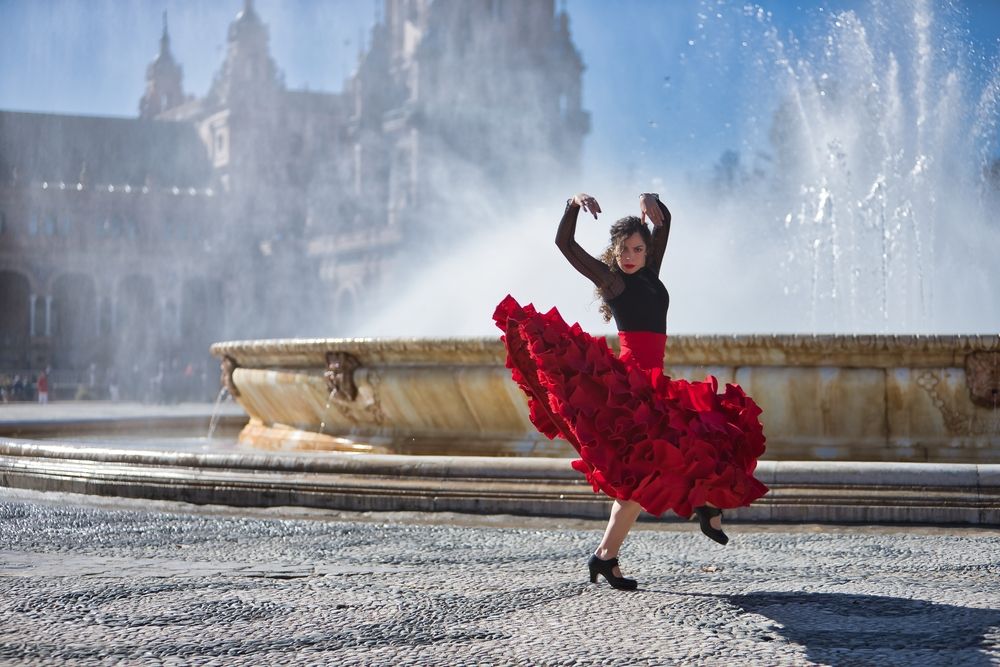
International Dance Day
Proclaimed by UNESCO in 1982, International Dance Day is celebrated every 29 April in honour of the birth of Jean-Georges Noverre, a key figure in modern ballet. Dance appears here as a universal language crossing cultures, eras and borders without needing translation.
Dancing is not only spectacle: it is identity, ritual, protest and celebration. On stages and in streets, this day recalls that the body also thinks, remembers and communicates, and that dance remains one of the oldest and deepest forms of human expression.
International Day of Immunology
Since 2005, 29 April has put the focus on immunology, the science that studies how the body defends and balances itself. Its importance goes far beyond laboratories: it is present in preventing infections, treating cancer and understanding autoimmune diseases.
Talking about immunology is talking about public health, research and the future. It is a reminder that the body maintains a constant dialogue with its environment and that science is one of the most powerful tools for protecting that vital conversation.
International Noise Awareness Day
The last Wednesday in April — which in 2026 falls on the 29th — is devoted to reflecting on noise as a public-health problem. Founded in 1996, this day warns about the cumulative effects of noise pollution on hearing, rest and mental health.
Noise does not always hurt immediately, but it wears people down. This day invites us to recover the value of silence, rethink cities and everyday habits, and understand that listening is also part of collective wellbeing.
International Day in Memory of Earthquake Victims
Proclaimed by the UN General Assembly in 2025, this day pays tribute to people who have lost their lives, homes or communities because of earthquakes. It is not only about memory, but shared responsibility.
Earthquakes reveal inequalities and urban and social fragilities. Remembering victims also means investing in prevention, seismic education and international cooperation to reduce future impacts.
European Day of Solidarity and Cooperation between Generations
Since 2002, Europe has devoted this day to promoting dialogue between young people and older people. In a fast-moving world, intergenerational coexistence appears as a response to isolation and social fragmentation.
The transmission of experience, care and knowledge is not nostalgia: it is cohesion. This day asserts the active value of older people and the need to build societies where age is not a border, but a bridge.
International Guide Dog Day
Observed on the last Wednesday in April, this day recognises the work of guide dogs, fundamental allies for the autonomy of people with visual disabilities. Behind every harness are years of training and a relationship based on mutual trust.
Making their work visible also means remembering basic rules of respect: do not distract or touch them when they are on duty. Their presence extends rights and redefines the idea of independence.
World No Elevators Day
World No Elevators Day is also observed on the last Wednesday in April, an initiative inviting people to choose stairs as an everyday gesture for health and sustainability.
It does not propose heroics, but small changes: moving more, relying less on automatic convenience and remembering that the body needs activity even in everyday life.
Denim Day
Denim Day turns an ordinary garment into a symbol of protest against sexual violence. Born from a court case in Italy in the 1990s, the act of wearing jeans became a global denunciation.
Here clothing is not fashion, but a message: a visible way of asserting that the victim is never to blame and that justice should not depend on how a person dresses.
Global Action Week for Education
From 28 April to 5 May, this week — promoted since 2001 — defends education as a basic human right. Millions of children and adolescents still lack access to a full education, constrained by poverty, conflict or inequality.
This week turns education into action: social mobilisation, political pressure and collective awareness of its transformative role in social justice and sustainable development.
World Immunisation Week
Held from 24 to 30 April, this week recalls that vaccines remain one of the most effective tools for saving lives. Since 2012, WHO has promoted this campaign to strengthen immunisation at all ages.
Prevention is not always noticed when it works, but its absence comes at a high cost. Vaccinating is an individual act with a collective impact.
European Immunisation Week
From 27 April to 3 May, Europe reinforces the message of maintaining high vaccination coverage and catching up deferred doses. Prevention depends on equity and universal access to information and health services.
Vaccination Week in the Americas
From 26 April to 3 May, this PAHO initiative focuses on reaching rural areas, borders and communities with fewer resources. Here vaccination is logistics, cooperation and health justice.