
News
29 January: what is celebrated today
The end of January brings a day when tradition and play meet without contradiction: while millions of families in Asia celebrate the beginning of a lunar year that renews bonds and hopes, in other corners of the world tables fill with scattered pieces that, little by little, seek to fit together. Two different celebrations—the ritual splendour of Chinese New Year and the patient calm of World Puzzle Day—speak today about the same idea: ordering the world, whether by following the pulse of the moon or fitting fragments together until the image makes sense.
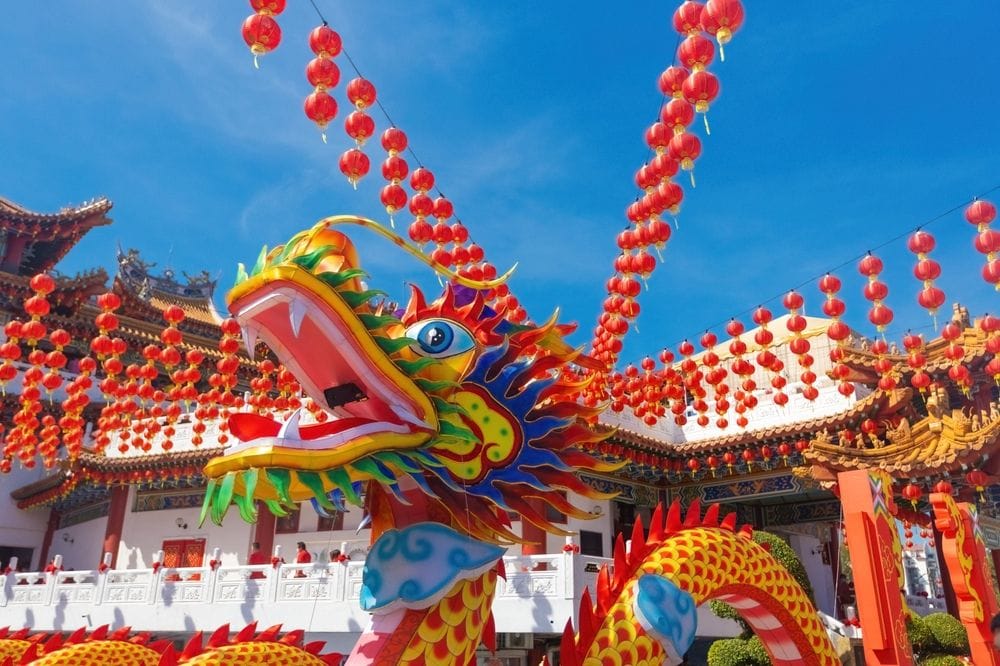
Chinese New Year
Chinese New Year, also called the Spring Festival, is perhaps the most significant cultural celebration in the East Asian calendar. Based on the ancient lunisolar calendar, it begins with the second new moon after the winter solstice and marks, each year, a new cycle of renewal. On 29 January 2025, the spotlight falls on the Wood Snake, a sign associated with intuition, elegance and shrewdness, attributes that tradition wishes for those welcoming the year.
For more than three millennia, this festival has functioned as a great family ceremony: before dinner, ancestors are honoured with offerings and prayers; then, homes are decorated in red — a colour that drives away the feared spirit Nian — and the streets fill with lanterns, parades, fireworks, and lion and dragon dances. Red envelopes containing money circulate as wishes for prosperity, and typical dishes, from jiaozi to longevity noodles, bring to the table the promise of abundance and good fortune.
This celebration crossed China's borders long ago. Vietnam celebrates Tết, South Korea its own holidays, Singapore the massive Chingay Parade, and in Chinese communities across the world families reproduce a ritual that blends memory, identity and hope. Beyond its spectacle, Chinese New Year always points to one simple idea: the new begins when the community comes together.
World Jigsaw Puzzle Day
At first glance, World Jigsaw Puzzle Day seems a modest tribute: few things are as simple as an image split into hundreds of pieces. Yet this day, celebrated since 2005, champions a pastime that has accompanied generations and that, from its origins in the 18th century — when John Spilsbury cut up a map to teach geography to children — became a perfect exercise in patience, logic and contemplation.
When putting together a puzzle, every small fragment demands attention: shapes, colours, edges, shadows. The brain works in parallel — visual memory, fine coordination, spatial reasoning — while daily anxiety finds a respite. It is no coincidence that jigsaw puzzles enjoyed a golden age in the 1920s and 1930s, nor that today they are re-emerging as a refuge from the digital pace. Sitting down to put a chaos of pieces in order is, in itself, an act of calm.
Celebrating this day requires no ritual beyond choosing an image and letting yourself be carried along. Some people enjoy monumental puzzles and others prefer just a few hundred pieces; what matters is rediscovering the calm that arises from fitting together two fragments that finally match. The jigsaw puzzle, like the lunar year, reminds us that every order begins with a small gesture.