
News
29 June: what is celebrated today
Some dates work like a map: they point to entire territories, invisible professions and bodies asking to be heard. 29 June brings together four very different observances, but with a common thread: the way we inhabit the world — its landscapes, its objects, its health and its air. Between forests and cities, between a designer’s desk and a specialist’s consulting room, the day puts forward a single idea: caring for what sustains life.
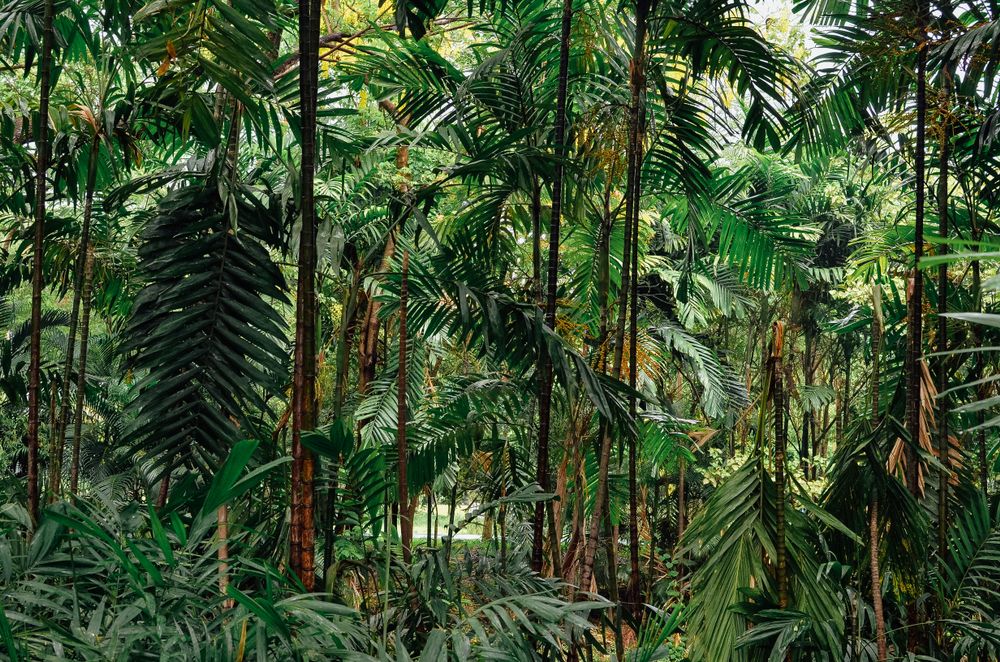
International Day of the Tropics
The tropics are not merely a postcard of palm trees: they are two bands of the planet — between the Tropics of Cancer and Capricorn — where life multiplies with an almost overwhelming intensity. Since 2017, the UN has dedicated 29 June to recalling their diversity, their potential and, above all, the challenges looming over these regions: deforestation, resource exploitation and climatic pressure that is no longer an abstract threat.
This observance is linked to the dissemination of the first State of the Tropics Report, promoted with the backing of research centres and publicised by Aung San Suu Kyi. The underlying idea is simple and powerful: if such a large part of the world contains essential ecosystems — and renewable water reserves — protecting it is not “a local issue”, but a matter of a shared future. The tropics are both oasis and frontier: where the planet still breathes strongly, but also where deterioration is most apparent.
And there is a human aspect that the day does not overlook: a growing share of the world’s population lives in the tropics, often in conditions of poverty or malnutrition. Talking about biodiversity here also means talking about justice, opportunity and development that does not destroy the very thing that makes it possible.
World Industrial Design Day
Amid so much nature, there appears the thoughtful gesture of the hand: industrial design. On 29 June, this day — promoted since 2007 by the International Council of Societies of Industrial Design (ICSID) — is celebrated to recognise those who turn needs into solutions, ideas into objects, and objects into more liveable experiences. Industrial design rarely makes a noise, but it changes life: in a chair that supports the back well, packaging that reduces waste, or a device that is more efficient and repairable.
Its value lies not only in “what is beautiful”, but in applied intelligence: creating versatile, functional and responsible products. When design works, it almost disappears; it becomes integrated. And perhaps that is its cultural merit: giving shape to the future without imposing itself, solving everyday problems with creativity and practical sense.
In times of climate crisis and accelerated consumption, this observance also invites an uncomfortable question: do we design to last or to replace? Celebrating industrial design today means opting for the former: for objects and systems that respect resources, energy and people.
European Day of Scleroderma
On the same day, Europe remembers a rare autoimmune disease that hardens the skin and can affect internal organs: scleroderma. It has been commemorated since 2009 and, since 2010, its impetus has expanded through support in other continents. The observance insists on what is essential: early diagnosis, research and treatment, but also solidarity. Because in rare diseases, loneliness is often a second burden.
The choice of 29 June is associated with the memory of the artist Paul Klee, whose life was marked by this condition. And that detail sheds light on something important: illness is not only a clinical condition; it is also biography. It changes rhythms, limits movement and forces people to negotiate with their own bodies. That is why this day does not remain within medicine: it calls for support, clear information and health systems capable of looking beyond what is common.
World Allergy Week
From 29 June to 5 July, the calendar stretches into a week to talk about allergies: immune-system reactions to substances that, in theory, should be harmless. It is neither a minor matter nor merely “seasonal”: allergies affect the respiratory and digestive tracts and the skin, and can become seriously complicated if underestimated. That is why World Allergy Week usually focuses each year on a priority subject; in 2025, the focus was anaphylaxis, described as a preventable threat.
There is something very contemporary about this observance: it requires us to distinguish, interpret the body’s signals, avoid confusing symptoms and seek specialised medical diagnosis. It also reminds us that the environment matters: environmental changes, air quality, pollen, habits. Allergy is a conversation between the body and the world, and that conversation often becomes more difficult in dense cities or altered climates.
Celebrating this week does not mean dramatising, but being prepared: learning, preventing, supporting. At heart, it is another form of collective care: ensuring that breathing, eating or simply being outdoors does not become a silent risk.