
News
29 March: what is celebrated today
29 March seems written in two inks: one marks the rhythm of the everyday—the clock, the timetable, the body—and the other sounds like ancient music, made of memory, faith and farewells. Today we live alongside the intimate gesture of pressing a key, the invisible jump of an hour, the weight of a war that still hurts in biographies, and a procession that opens the door to Holy Week. Four ways of remembering that time is not only measured: it is also lived.
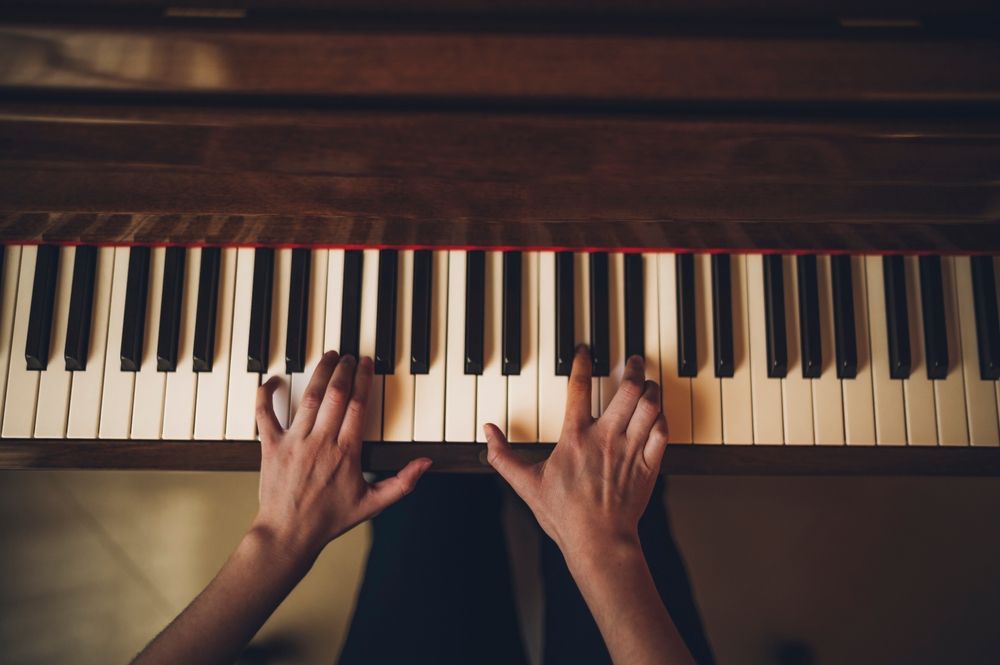
World Piano Day
The piano has a particular way of telling: it does not speak, but it narrates; it does not argue, but persuades. That is why it has a date with its own wink: the 88th day of the year, in honour of its 88 keys. This celebration, promoted by German pianist Nils Frahm, began in 2015 and has become a meeting point for musicians, listeners and curious people.
Behind the symbol lies a long history. The piano, as we know it, became established from the 18th century thanks to Bartolomeo Cristofori, and since then has accompanied both aristocratic salons and modest classrooms. Today, in a time of screens and constant noise, its appeal remains the same: it offers a slow conversation with oneself, where every note can be a memory or a promise.
European Day of the Clock Change
There is a modern tradition that hardly anyone celebrates happily, but everyone notices: the clock change. In Europe it happens twice a year, and on the last Sunday in March —this 29 March 2026— the clock goes forward to inaugurate summer time. It is a technical decision with very human effects: that strange feeling that the day stretches while sleep protests.
The measure became popular for energy and wartime reasons: seeking more natural light, reducing consumption, organising routines. However, each change leaves a small imbalance: irritability, tiredness, difficulty sleeping. Perhaps that is why the debate over its continuation returns again and again: because changing time is changing daily life, and no mechanism fails to rub against the skin.
National Vietnam War Veterans Day
In the United States, 29 March is devoted to honouring those who served in the Vietnam War. The date is no accident: on 29 March 1973, the withdrawal of US troops was completed. It is a day of recognition, but also of silence: the kind of silence left when a war ends on maps but continues occurring in memory.
The Vietnam War (1955–1975) was one of the 20th century’s most controversial conflicts, with an immense human cost. Remembering its veterans does not mean glorifying violence: it means accepting the complexity of service, return, visible and invisible wounds, and the need to support those who come back. Sometimes a society is measured by how it listens to those carrying what it would prefer to forget.
Palm Sunday
The Christian calendar opens today a week charged with symbols. Palm Sunday, celebrated on the Sunday before Easter Sunday, commemorates Jesus’ entry into Jerusalem and begins Holy Week. Amid palms and olive branches, tradition recalls a popular welcome which, in the account, already contains the shadow of what is to come: triumph and passion in the same scene.
That is why this date is experienced as a threshold. The blessing of palms, the procession, the liturgical red: everything points to a faith that does not ignore pain, but passes through it. And also to a domestic, persistent gesture: keeping palms at home, as though a fragment of the rite could protect the whole year, or at least remind us —in routine— that there are stories repeated to teach us to look again.