
News
29 May: what is celebrated today
There are days that seem to be written in double ink: one for the body and one for the world. On 29 May, the idea of care—what we eat, how we digest, how we breathe at altitude—comes together with the collective effort to sustain peace when everything is breaking apart. Between blue helmets and summits, between microbiomes and borders, the date reminds us that human resilience takes many forms: sometimes it is a mission, sometimes a symptom attended to in time, sometimes it is simply continuing to climb.
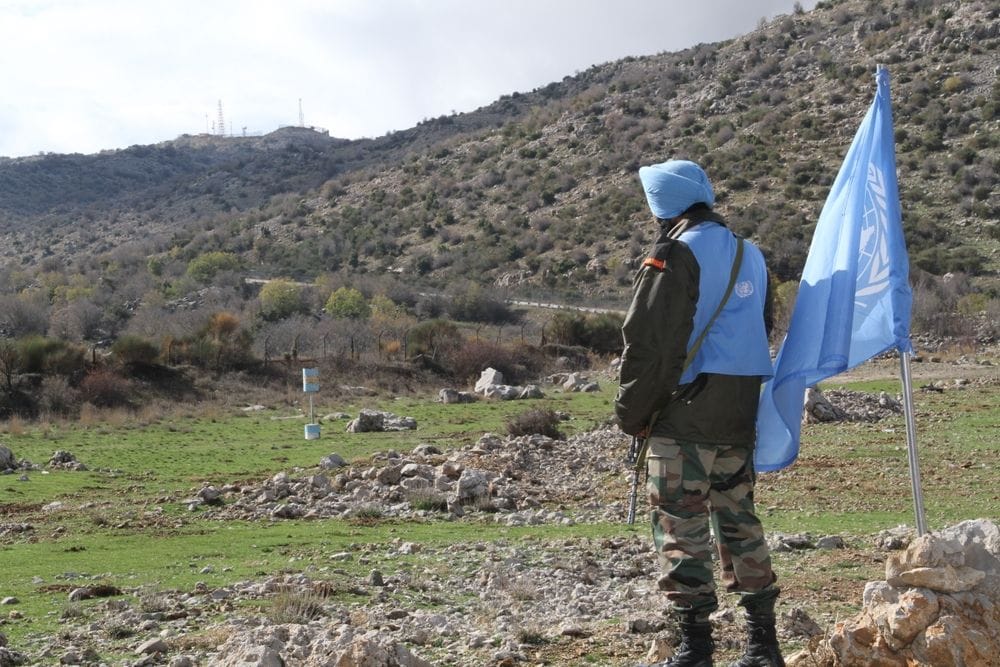
International Day of United Nations Peacekeepers
The colour blue is not just a uniform: it is a fragile promise. Since 2003, the UN has dedicated 29 May to recognising those who keep peace in areas where the word “normality” barely exists. The date looks back to 1948, when the first peace mission began, and has since become a tribute to the uniformed and civilian personnel who work among negotiations, patrols, mediation and protection of vulnerable populations.
But the tribute also has a painful side: thousands have lost their lives in service since 1948. To remember them is to remember that peace is not sustained by speeches, but by presence, patience and a kind of courage that rarely makes headlines: that of trying to ensure that conflict does not have the final word, even when the geopolitical context becomes harsher and more complex.
World Digestive Health Day
If the body had a silent command centre, it would probably be in the intestine. Since 2005, the World Gastroenterology Organisation has promoted World Digestive Health Day on 29 May — a date associated with the organisation’s own origins — to insist on something simple and, at the same time, difficult to practise: listening to digestion before it becomes an alarm.
The topic changes every year, but the message recurs with variations: digestive health is not a “minor” matter. It affects energy, mood, defences and quality of life. Talking about microbiota, intestinal transit, habits and prevention is talking about everyday wellbeing: eating attentively, moving, sleeping and reducing stress. In a fast-paced world, caring for the digestive system is a concrete way of recovering the human rhythm.
International Everest Day
Everest functions as a universal metaphor: we name it when something seems impossible. On 29 May, Nepal celebrates International Everest Day to commemorate the first ascent to the summit, achieved in 1953 by Edmund Hillary and the Sherpa Tenzing Norgay. The anniversary, proclaimed in 2008 by Nepalese institutions linked to culture, tourism and mountaineering, does not only celebrate the feat: it also celebrates the desire — sometimes reckless — to go beyond the limit.
On that mountain, beauty comes at a price: extreme cold, winds, avalanches, “altitude sickness” and an area where the body negotiates with lack of oxygen. That is why Everest also recalls another lesson: no summit is conquered alone. Behind the myth are teams, guides, logistics, experience and an increasingly urgent ethic regarding the environmental and human impact of climbing “the roof of the world”.
European Week Against Cancer
In the last week of May, Europe turns prevention into public conversation. European Week Against Cancer insists on clear information, early diagnosis, research and real support for patients and families. It is a call to look at cancer without fatalism, but also without naivety: with science, resources and policies that leave no one behind because of their postcode or income level.
Talking about cancer in a “week” format is a reminder that the disease does not occupy a single day: it occupies time, energy and everyday life. That is why accompaniment — medical, psychological, social — matters so much, as does the idea that a healthcare system is measured above all when life becomes vulnerable.
International Week of Solidarity with the Peoples of Non-Self-Governing Territories
While some anniversaries look inward to the body, this one looks at the map and history. In the last week of May, the UN highlights the situation of non-self-governing territories: places that have not achieved full self-government and where discussion about rights, resources and the future remains open. It sounds technical, but it is a basic question: who decides, who administers, who benefits.
Solidarity here is not decorative. It entails defending inalienable rights, protecting ownership and use of natural resources, and upholding the idea of wellbeing as a priority. In times of information fatigue, this week asks for something countercultural: not to forget that decolonisation and self-determination are not closed chapters, but processes with present consequences.