
News
31 December: what is celebrated today
The calendar reaches its final page and, with it, a feeling of vertigo and hope runs through the world. It is New Year's Eve, the night when we bid farewell to the year ending and open the door to the one about to begin. A universal day on which time seems to stop between two chimes: one that says goodbye and another that promises a new beginning.
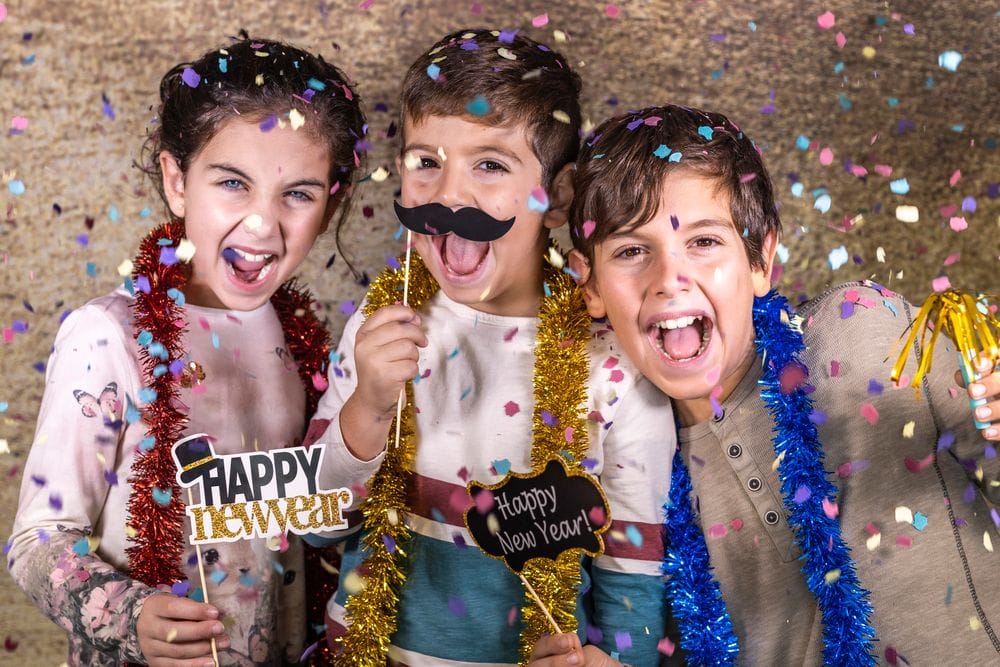
New Year's Eve
The celebration of New Year's Eve — also called New Year's Eve or the end of the year — has very ancient roots. The Mesopotamians were already celebrating the change of cycle more than four thousand years ago, though they did so in spring, when the land was reborn. The Romans, by contrast, decided to place the start of the year on 1 January, in honour of the god Janus, guardian of doors and new beginnings, depicted with two faces: one looking towards the past and the other towards the future.
Since then, the eve of that day has become a night of rituals, superstitions and hopes. Every culture experiences it in its own way, but all share the emotion of starting again. In Spain, the twelve chimes set the rhythm for the lucky grapes; in Brazil, thousands of people dressed in white throw flowers into the sea to ask for prosperity; in Japan, temples ring their bells 108 times to cleanse the soul of impurities.
Some burn an effigy symbolising the old year, some run with a suitcase to attract travel, or wear red underwear to invoke love. They are simple gestures, inherited from superstition, but also from a profound human desire: to begin the year with a renewed heart.
In every square around the world, lights, fireworks and embraces form one shared language: that of gratitude for what has been lived and hope for what is to come. And when the clock strikes midnight, not only does a new year begin: for a moment, faith in beginnings is also reborn.