
News
31 March: what is celebrated today
Some days seem like a crossroads: body, identity, city and memory meet on the same date, as if the calendar wanted to remind us of something fundamental. 31 March speaks of visibility and health, of diagnoses that arrive in time and realities that should not be lived in silence. And among such intimate matters, a symbol of iron and open sky also slips in: a tower that changed the idea of modernity forever.
International Transgender Day of Visibility
31 March is dedicated to something as simple as it is decisive: seeing. Transgender Visibility began in 2009 at the initiative of activist Rachel Crandall, in response to an obvious gap: for years the trans community was spoken of almost solely through tragedy, and there was a lack of a day to acknowledge complete lives, with their routines, talents, affections and rights.
“Transgender” refers to people who do not identify with the gender assigned at birth, and that—apparently technical—definition contains very concrete stories: the search for a safe place, the desire to be called by one's own name, the need for healthcare without prejudice, the possibility of studying and working without identity becoming a social sentence. In 2011, moreover, the UN promoted a resolution to strengthen the protection of human rights against violence and discrimination on the grounds of sexual orientation and gender identity, a reminder that dignity should not depend on borders or majorities.
World Colon Cancer Day
Today the calendar also turns clinical, but with a deeply human intention: to save lives in time. World Colon Cancer Day seeks to raise awareness of a common disease which, in many cases, can be treated successfully if detected at early stages. The problem is well known: for a while it may show no clear signs, and the absence of symptoms does not always mean the absence of risk.
That is why the message of this observance is not limited to fear, but to prevention. It speaks of everyday habits—more fibre, fruit and vegetables in the diet; fewer ultra-processed foods and toxins—but also of access: the importance of screening programmes and tests that make it possible to identify polyps or abnormalities in time. In public health, sometimes the difference between “afterwards” and “we are still in time” is measured in one decision: getting a check-up, seeking advice, not putting it off.
World Lipodystrophy Day
There are diseases that live on the margins of social discourse: uncommon, complex, difficult to name. Lipodystrophies belong to that group. This day, promoted since 2013 by EURORDIS (the European Organisation for Rare Diseases), seeks to raise awareness of a condition characterised by alterations in the distribution of body fat, with possible metabolic consequences that affect daily life.
The figure—an estimated incidence of 4.7 cases per million inhabitants—explains part of the problem: when something is rare, it may take longer to diagnose, research and understand. That is why this day insists on collaboration among institutions, researchers and patient associations. It is not merely a commemorative date: it is a way of telling those affected that their experience matters, that their diagnosis deserves resources, and that science must also look where there are fewer spotlights.
Eiffel Tower Day
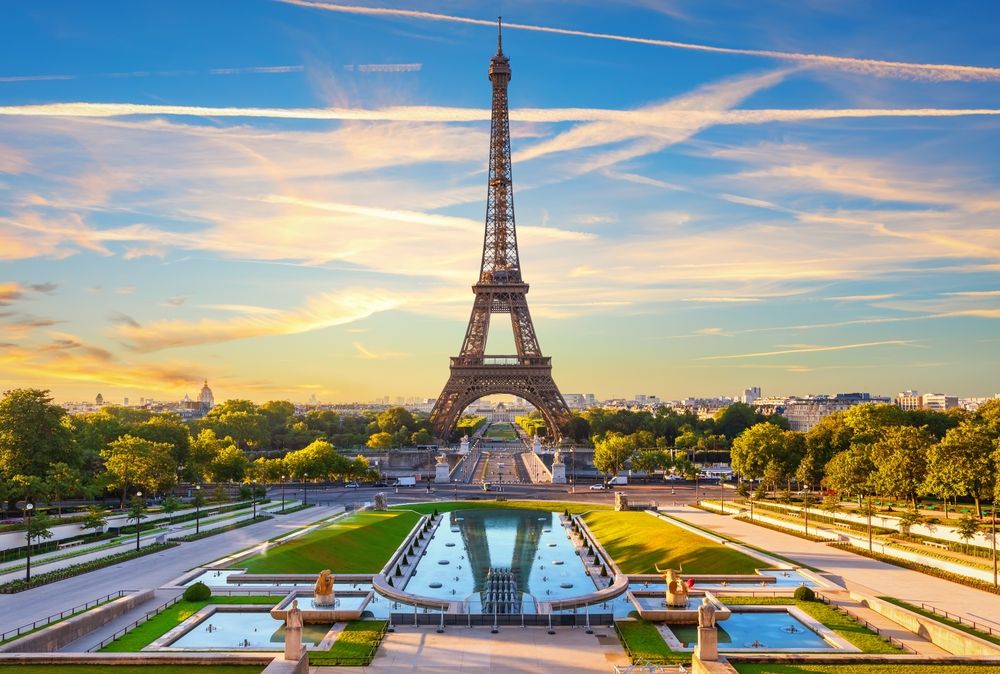
And then Paris appears, like a postcard that becomes history. 31 March recalls the inauguration, in 1889, of the Eiffel Tower, designed by Gustave Eiffel for the Universal Exposition. It was born as a technical and aesthetic challenge: exposed iron, daring height, a modernity that seemed to challenge the taste of its era… and which ended up becoming one of the most recognisable symbols on the planet.
There are details that make it almost a living organism: its colour gradually darkens as it rises, and it is repainted periodically to protect it from corrosion. For decades it was the tallest building in the world and, through a twist of fate, it was saved from its planned dismantling when radio found an ideal point at its summit to install an antenna. Sometimes what remains is not what is born to last, but what time decides to make necessary.