
News
4 February: what is celebrated today
There are days in the calendar that seem to build a bridge between very different realities, as though humanity wanted to encompass everything: the sacred and the everyday, the tragic and the festive, the deeply human and the purely fantastical. 4 February is one of those many-faceted days, where the defence of life coexists with the shadows of fear and the urgent need to imagine a more liveable world. A day that reminds us that fraternity is a path, health a collective commitment and culture also a refuge—even when it speaks of zombies.
International Human Fraternity Day
International Human Fraternity Day was created to remind us that coexistence is not an abstract ideal, but everyday work that requires empathy, listening and, above all, the willingness to recognise others as equals. Its origin is rooted in a historic gesture: the signing in 2019 of the Document on Human Fraternity by Pope Francis and the Grand Imam of Al-Azhar. That meeting in Abu Dhabi opened a symbolic path towards a culture of dialogue.
Today, the commemoration gains strength in a world undergoing intense polarisation. It is not about erasing differences, but about learning to inhabit a shared space without giving up plurality. Fraternity, understood as a civic value, invites us to defuse fanaticism, violence and fear, and replace them with education, cooperation and mutual commitment.
In this context, the day invites us to ask ourselves about our personal responsibility: how do we contribute to weaving a fairer society? Sometimes a simple gesture — an honest conversation, discreet help — is enough to remind us that humanity is also a network of care.
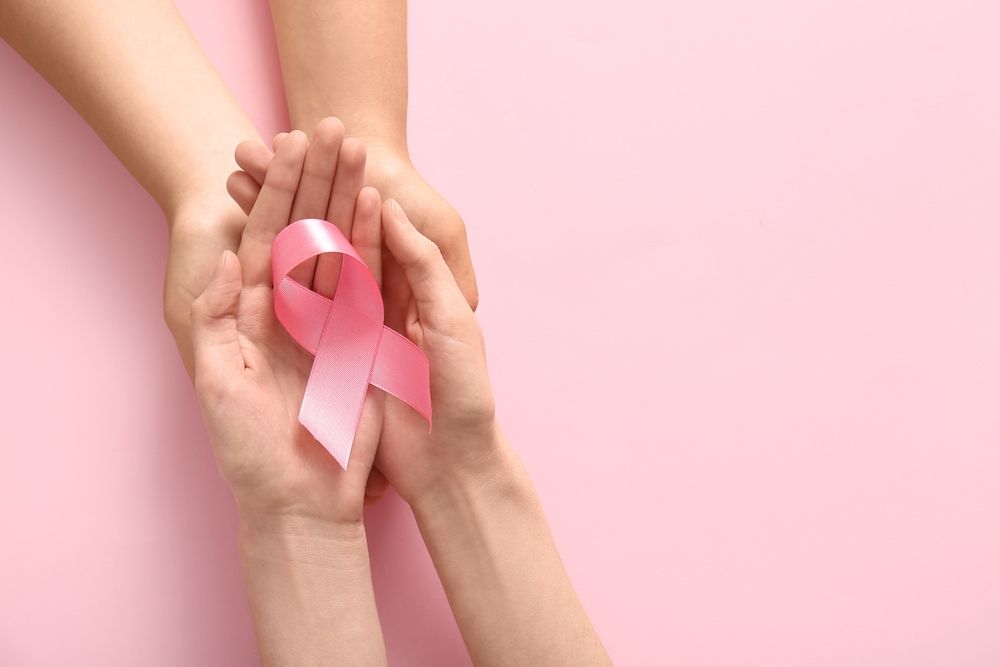
World Cancer Day
World Cancer Day places at the centre millions of people who live with this disease from very different positions: patients, families, professionals and researchers. It is a reminder that prevention, early detection and equity in treatment are matters that concern all of us. The 2025–2027 campaign, “United by Unique”, insists that every story is singular and deserves sensitive, humanised care.
Although the global figures may be overwhelming, this day seeks to sow hope. Scientific advances have improved survival and quality of life, while educational campaigns help reduce avoidable risks. It is also a day to talk about what is rarely expressed: emotional support, the burden of fear, the invisible strength that sustains those who fight day after day.
Beyond the data, 4 February invites us to break down stigmas, promote healthy habits and support research. For many, it becomes an intimate tribute to those who endured, those who continue to fight and those who turned their pain into an impetus to change the world.
Zombie Pride Day
At the more playful end of the calendar is Zombie Pride Day, a celebration that pays tribute to decades of film, literature, video games and pop aesthetics. Its date is no coincidence: it corresponds to the birth of George A. Romero, the creator of Night of the Living Dead, the film that forever redefined zombie imagery. Since then, the undead have moved from the catacombs of folklore to occupy a privileged place in contemporary culture.
This day works as an alternative carnival where fans explore, with humour, our deepest fears: loss of identity, bodily fragility and the collapse of the familiar. In cities around the world, parades, readings, film marathons and gatherings are organised where zombification becomes a collective game.
But the phenomenon is also revealing: behind geeky pastimes, the taste for zombies speaks of societies that observe themselves through a dystopian lens. The day is ultimately a reminder of how fiction can serve to channel real anxieties and generate unexpected communities.
World Interfaith Harmony Week
(1–7 February)
Although it extends throughout the week, 4 February is a central moment for this UN initiative, whose aim is to promote understanding between religions and diverse beliefs. More than a religious celebration, it is a platform for dialogue and cooperation among communities that share a territory, but not always a common language.
Its importance lies in recognising that spiritual pluralism is a richness rather than a threat. In a world marked by conflicts, interfaith harmony proposes a practical approach: building bridges where walls are usually raised. Forums, meetings and educational activities seek to foster mutual respect and create spaces where difference is welcome.
This week reminds us that peace is not an abstract concept, but a practice to be exercised: listening without imposing, understanding before judging, living together without erasing others’ identities. A timely reminder in times when coexistence seems always at risk.