
News
5 February: what is celebrated today
The calendar for 5 February looks like a small map of what we are: creatures who look to the sky in search of signs, who open books to understand themselves better, who celebrate sweet pleasures and who, at the same time, recall the legal and moral foundations that sustain their societies. A day where meteorology sits alongside gastronomy, literacy alongside political history, and spirituality alongside dialogue. A date that invites us to think about humanity, from its most everyday gestures to its most far-reaching pacts.
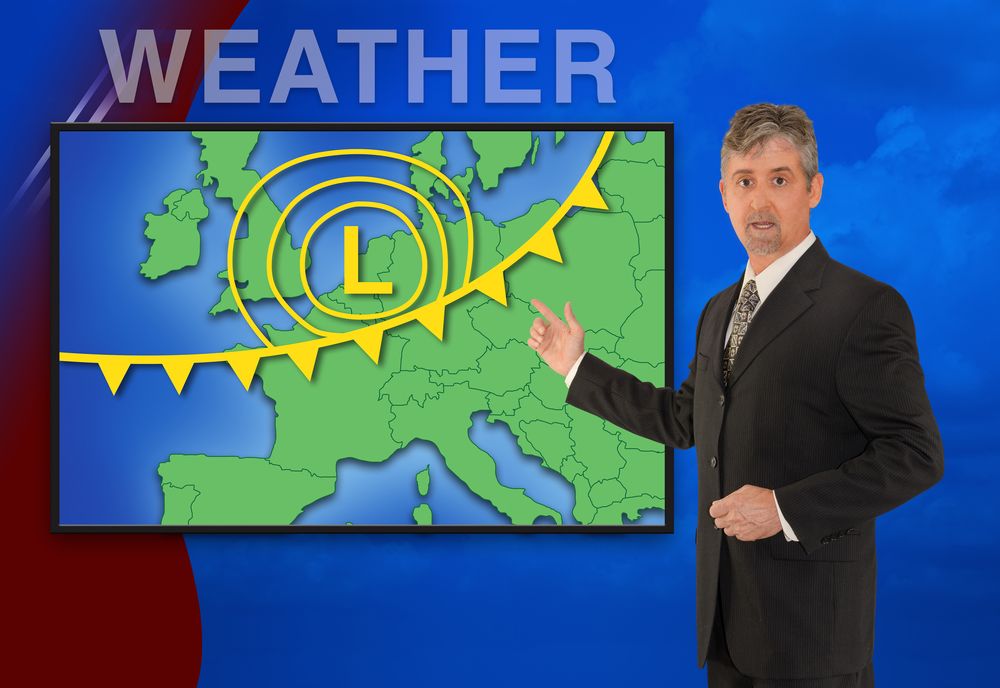
World Weather Presenter Day
The weather presenter's role occupies a curious place in public life: it is both the everyday voice of the forecast and the messenger of what we cannot control. World Weather Presenter Day — which, despite its name, also celebrates women meteorologists and communicators — recalls the birth of John Jeffries, one of the pioneers of atmospheric observation in the 18th century.
Beyond fondness or jokes about failed forecasts, the work of these professionals is an essential link between science and the public. They translate complex data into understandable narratives, help prepare for the day, anticipate risks and understand the environment we inhabit. Meteorology, communication and a certain theatricality come together in them, making weather part of daily conversation.
World Nutella Day
On 5 February, the world surrenders to a global symbol of simple pleasure: Nutella. This spread, born in northern Italy after the Second World War — when scarcity made it necessary to mix cocoa with hazelnuts — eventually became an emotional food, linked to family breakfasts, school snacks and moments of shared indulgence.
The observance was born at the initiative of blogger Sara Rosso, who decided to celebrate this collective devotion by devoting a whole day to it. Today Nutella crosses borders, fashions and generations. Its story, between forced invention and industrial expansion, also speaks of how a product can become a cultural icon. This day is an invitation to sensory memory: to that act of spreading, to that warm aroma that so many people recognise without hesitation.
World Read Aloud Day
Reading aloud is one of the oldest cultural acts: before solitary readers, we were listeners gathered around a voice. The organisation LitWorld revived that spirit in 2010 by establishing World Read Aloud Day, celebrated on every first Wednesday of February. Its purpose is to remind us that literacy is not only a right, but a tool for building community.
Reading aloud turns a text into a bridge. It reinforces memory, stimulates imagination and creates a shared space where every timbre reveals a different nuance. In schools, libraries and homes, this day brings children, young people and adults together around stories that come alive. It is also a tribute to teaching, oral storytelling and the power of the spoken word, which accompanies us from childhood to maturity.
Mexican Constitution Day
For Mexico, 5 February is a solemn date: the 1917 Constitution, born of the Mexican Revolution, is a document that changed the country's history and still defines its political and social life today. Considered pioneering in its time, it incorporated labour rights, agrarian reforms and principles of social justice that would later influence other nations.
The celebration is civic and reflective. In schools, squares and public buildings, the flag is raised and events are organised to recall the continuing force of the ideals enshrined in Querétaro. But it is also a day to think about current challenges: the need to fulfil and update constitutional principles, strengthen institutions and ensure that written rights become tangible realities for all citizens.
World Interfaith Harmony Week
(1–7 February)
Amid these celebrations, World Interfaith Harmony Week continues to reach different corners of the planet. Its message is clear: without dialogue there is no coexistence, and without coexistence there can be no peace. The initiative, promoted by the UN since 2011, proposes meetings, debates and activities that seek to build bridges between diverse religious communities.
The week reminds us that spirituality — in any of its forms — can be a force for unity, not division. It promotes mutual respect and the construction of a shared ethic based on human dignity. In a world where identity conflicts continue to make headlines, this invitation to listen to one another becomes more urgent than ever.