
News
5 June: what is celebrated today
5 June is something of a mirror: it reflects back the image of the planet we live on and, at the same time, our smallest habits. On this date, environmental urgency, the protection of the oceans, and a sweet celebration born in wartime all coincide; and, in the background, a week dedicated to museums reminds us that culture also teaches us to care. Everything happens at once, as if the calendar wanted to tell us that the future is shaped by everyday life.
World Environment Day
World Environment Day was born from a powerful idea: that protecting the Earth is not a romantic gesture, but a matter of survival and justice. It was established in the early 1970s, when the world began to put names to what could already be seen in the air, water and landscapes: pollution, the loss of nature, progress moving forward without looking in the rear-view mirror.
Each year, the observance highlights a different focus, but the thread is the same: changing the relationship between what we consume and what the planet can bear. Plastic pollution — so visible on coasts and in rivers, so invisible in the form of microfragments — has become the symbol of an era: objects designed for minutes that remain for decades. Celebrating this day means accepting that the solution does not depend on one person alone, but it does begin with every person.
International Day for the Fight against Illegal, Unreported and Unregulated Fishing
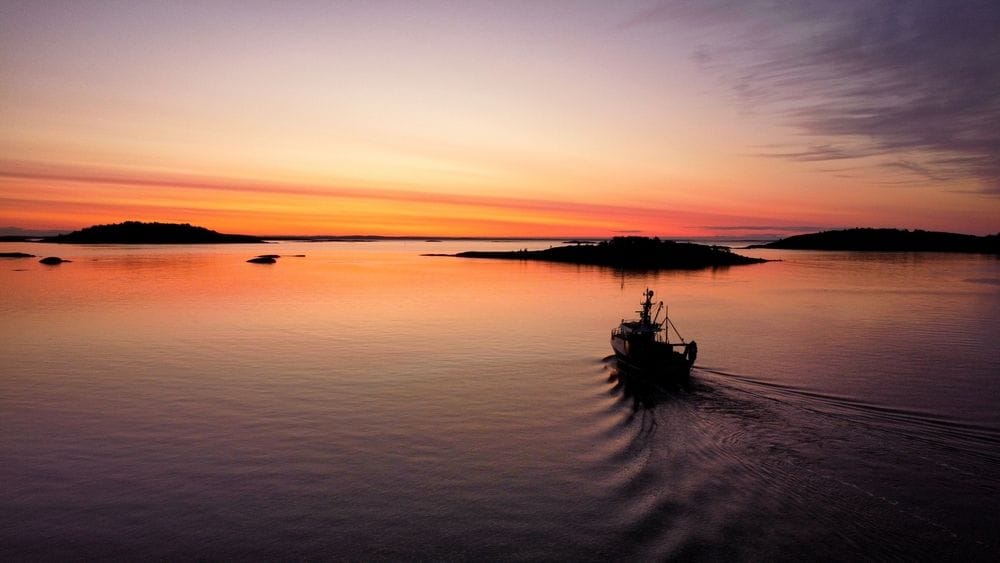
At sea, what is illegal sometimes makes no noise: an unregistered net, a vessel that switches off its trace, a catch that is not declared. But its consequences are deafening. This day, proclaimed by the United Nations, focuses on a practice that empties the oceans, harms coastal communities and makes something that seemed inexhaustible fragile: the food that comes from the water.
To speak of illegal fishing is to speak of balance. Not only ecological balance — overexploited species, damaged habitats — but human balance too: precarious work, suffocated local economies, rules broken at the expense of those who do comply with them. The observance invites us to strengthen controls, international cooperation and responsible consumption, because the sea does not need speeches: it needs time to regenerate.
World Donut Day
Among so many global alerts, World Donut Day seems an unexpected wink. And it is, but it has an origin steeped in history: it began as a gesture of gratitude to women volunteers who, during the First World War, offered donuts to soldiers as a simple form of care. Sometimes collective memory rests on small things: warm food, a repeated gesture, a shared sweetness amid uncertainty.
Today the date has become a popular celebration, but it retains a discreet lesson: food can also be the language of community. It is not about idealising sugar, but about understanding why certain traditions endure: because they allow us to meet, take a pause and remember that solidarity does not always arrive with solemnity; sometimes it comes in a box opened on the table.
International Museum Week
Although it is not a single “day”, International Museum Week runs through 5 June with a clear proposal: to turn culture into conversation. Museums — along with archives, libraries and heritage centres — are not only places to look at objects; they are spaces for learning to look at the world, including its crises and its possibilities.
In a week marked by nature and the sea, museums can act as a compass: they help us understand where our relationship with the land comes from, how landscapes are narrated, and what memories are lost when an ecosystem is lost. Sometimes protecting the planet begins by recovering a sense of belonging: knowing that what is destroyed is not “outside”, but part of our own home.