
News
6 February: what is celebrated today
Every 6 February brings together, like a crossroads, several stories at once: the struggle for body image and dignity, the defence of the right to vote and choose, the memory of music that became a symbol of freedom, and the desire for peace among those who believe in something different. 6 February brings it all together: a day when humanity remembers past wounds, seeks a language of harmony and celebrates the power of cultures to unite. Pain and hope, activism and contemplation, the voice of the people and the voice of music coexist here.
International Day of Zero Tolerance for Female Genital Mutilation
Every 6 February, the world turns its attention to a form of violence that often remains silent: female genital mutilation. Internationally recognised as a serious violation of human rights, this practice affects millions of girls and women, marking their lives with physical, psychological and social scars. Since 2012, when the UN officially proclaimed this observance, the date has become a space for condemnation, remembrance and collective action.
Progress is real, but still insufficient. The struggle is led above all by survivors, whose voices drive legislative initiatives, cultural change and community projects. They have turned their pain into a movement that demands respect for bodily integrity and the right to decide. The global goal — to eradicate this practice before 2030 — is ambitious, but every community renunciation, every educational programme and every international alliance brings a different future closer.
This day is also a reminder of shared responsibility: governments, organisations and citizens must sustain coordinated action over time. Because the end of female genital mutilation will not be achieved through laws or global campaigns alone, but through a profound cultural transformation that places the dignity of girls and women at its centre.
World Election Day
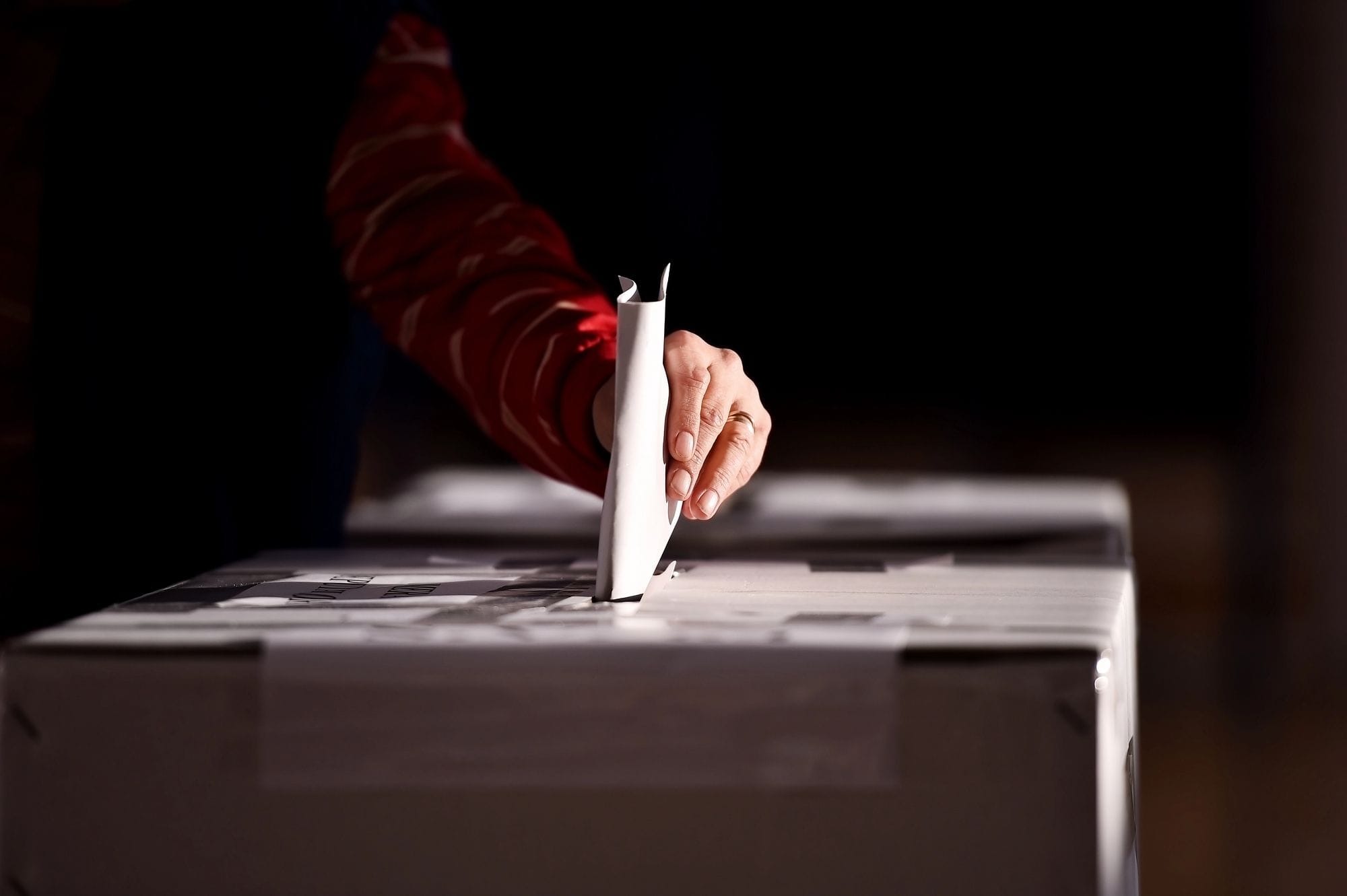
On the same 6 February, which in some years coincides with the first Thursday of the month, World Election Day is commemorated: an invitation to reflect on the essential pillar of any democracy. This observance was born in 2005 during an international conference in Hungary, where experts from around the world warned of the need to strengthen transparent, inclusive and reliable electoral systems.
Elections are much more than an administrative act: they represent the sum of individual wills, the exercise of a hard-won right and, in many places, one that remains fragile. In times of polarisation, disinformation and distrust, this day recalls the importance of preserving democratic culture, promoting young people's participation and protecting the vote as a legitimate tool for social transformation.
Internationally, workshops, debates and activities are organised to make current challenges visible: from technological security to the participation of minorities and diasporas. Ultimately, it is a civic celebration that asserts the value of every vote and the need for electoral processes to remain a bridge — and never a barrier — between citizens and power.
Bob Marley Day
6 February also celebrates the birth of Bob Marley, an essential figure in reggae and a universal symbol of resistance, spirituality and hope. His music, born from Jamaica's pulse and the Rastafari spirit, transcended borders to become a language of freedom, social justice and collective love. Bob Marley Day is, in that sense, more than a musical tribute: it is recognition of art's ability to unite and move people.
Throughout his career, Marley built a bridge between Caribbean rhythms, political criticism and a deeply humanist message. His songs — from No Woman No Cry to Redemption Song — continue to speak to audiences around the world because they contain a simple, universal emotional force. His legacy continues to grow through documentaries, reissues and new generations who find in his work an ethical and aesthetic compass.
Remembering him today means listening once more to that blend of light, resistance and tenderness that defined his voice. On a day that reflects on violence, rights and coexistence, Marley's music offers a necessary counterpoint: the certainty that, even in turbulent times, it is always possible to imagine a kinder world.
World Interfaith Harmony Week
From 1 to 7 February, World Interfaith Harmony Week is celebrated, a UN initiative created to foster dialogue among religions, beliefs and cultural traditions. Its origin dates back to 2010, when Jordan proposed the observance to the General Assembly and received unanimous support. Since then, this week has become a space to assert coexistence, mutual respect and the search for peace in increasingly diverse societies.
Over the years, meetings and forums have addressed issues such as the role of the diaspora, the inclusion of indigenous peoples, reconciliation and cooperation in humanitarian disasters. All these debates start from a simple idea: differences are not a threat, but an opportunity to understand the world and those who inhabit it better.
Celebrating this week means opening spaces for listening, crossing symbolic borders and recognising that spirituality takes many forms. At a time marked by identity tensions, interfaith harmony is presented as a path towards building a coexistence in which diversity generates not distance, but encounter.