
News
6 June: what is celebrated today
6 June has a strange and beautiful quality: it brings together the most technical and the most human. On the one hand, the science that makes a transplant possible and restores life where there was once waiting. On the other, language as a common home, urban health as a pact of coexistence, and even a toy that goes up and down as if imitating our own ups and downs. In between, culture — with International Museum Week — reminding us that what is told, preserved and shared is also cared for.
World Transplant Patients Day
This day gives a face to a word that often sounds cold: transplant. Behind every procedure is a chain of difficult decisions, medical teams and families, but there is also something essential: the real possibility of living again without the constant shadow of waiting. The anniversary seeks to promote a culture of donation, because that gesture — donating — can hold years of future for someone who had no alternatives.
It also recalls what is not always said: transplantation is not an automatic “happy ending”, but the beginning of a new stage. Check-ups, medication, care, patience. And yet, most patients describe it as a second chance: recovering routines, energy, plans, even a different way of looking at time. Celebrating this day means honouring those who donate, those who receive and those who sustain the system so that solidarity becomes medicine.
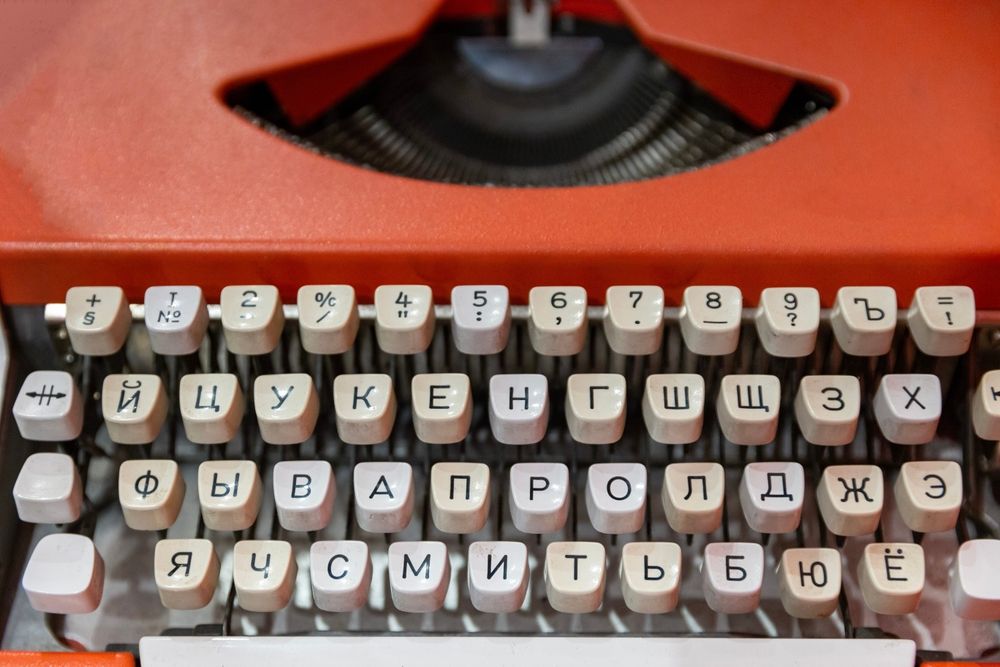
Russian Language Day
Languages do not only serve to understand one another: they also hold memory. Russian Language Day is observed to recognise linguistic and cultural diversity within the United Nations framework, and it is symbolically linked to Aleksandr Pushkin, whose work became a point of reference for modern Russian literature.
It is a date to remember that language is much more than grammar: it is music, nuance, humour, a way of thinking. A language contains whole worlds — its metaphors, history, wounds and celebrations — and that is why protecting multilingualism also protects the possibility of naming reality from different perspectives.
World Pest Awareness Day
In large cities, public health is also at stake in what is invisible. This day focuses on environmental health: the prevention and professional control of urban pests (mosquitoes, rodents, cockroaches and others) that can affect health, damage infrastructure and worsen quality of life.
The central idea is not fear, but prevention: cleaning, responsible waste management, sealing access points, eliminating standing water and — when needed — professional intervention using increasingly safer and less toxic methods. At its core, it is a conversation about coexistence: how we inhabit shared spaces without turning them into a problem for everyone.
World Hidradenitis Suppurativa Day
There are illnesses that hurt twice: through their symptoms and through social silence. Hidradenitis suppurativa is chronic, inflammatory and can be very disabling; it appears with recurring flare-ups, painful lesions and, often, misunderstanding around it. This day exists to make it visible, encourage earlier diagnoses and recall that it is not a matter of “poor hygiene” or a superficial problem.
The anniversary also speaks of dignity: access to dermatology, support, appropriate treatments and, above all, less stigma. Because when a condition limits daily life — movement, clothing, work, relationships — the least a person deserves is clear information and real empathy.
World Yo-Yo Day
The yo-yo is a perfect symbol for 6 June: it seems simple, but requires technique; it seems a game, but trains patience. The celebration is associated with Donald F. Duncan, who drove its popularity, and with the choice of his date of birth to honour this classic toy.
Beyond the nostalgic nod, the yo-yo reminds us of something useful: coordination and concentration are trained through play. And that not everything valuable needs a screen or a connection: sometimes a string, two discs and the willingness to try once more are enough.
World Parkour Day
In your material it appears as an anniversary on the “first Saturday in June”, with 6 June marked in 2026. Parkour celebrates the body as a creative tool: moving through the city by reading its obstacles differently, turning walls and railings into a route.
The underlying message is not “doing acrobatics”, but cultivating discipline, self-control and respect for one’s own body. And, above all, practising safely: gradual learning, guidance from experienced people and common sense. Parkour, when understood properly, is a conversation between the mind and the environment: how to move forward without getting hurt.
International Museum Week
The week dedicated to museums runs through these dates as a reminder: culture is also infrastructure. Museums, archives and libraries keep objects, yes, but above all they keep questions: who we were, how we got here, what is worth preserving.
On days as different as these — transplants, languages, urban health — museums connect the dots: they show the history of science, migrations of words, changes in the city and how each era tried to solve its own challenges. Taking part can be as simple as visiting an exhibition, following digital activities or sharing a personal story linked to an object, a painting or a room.