
News
7 July: what is celebrated today
There are dates that seem discreet, yet hold up the world beneath, like a root. 7 July reminds us that life has layers: one is stepped on — the ground — another is spoken — a travelling language — another unfolds in the air — a bird gliding over mountains — and another melts slowly in memory — cocoa turned into chocolate. They are not isolated celebrations: together they draw the same scene, of a planet that breathes thanks to its invisible balances.
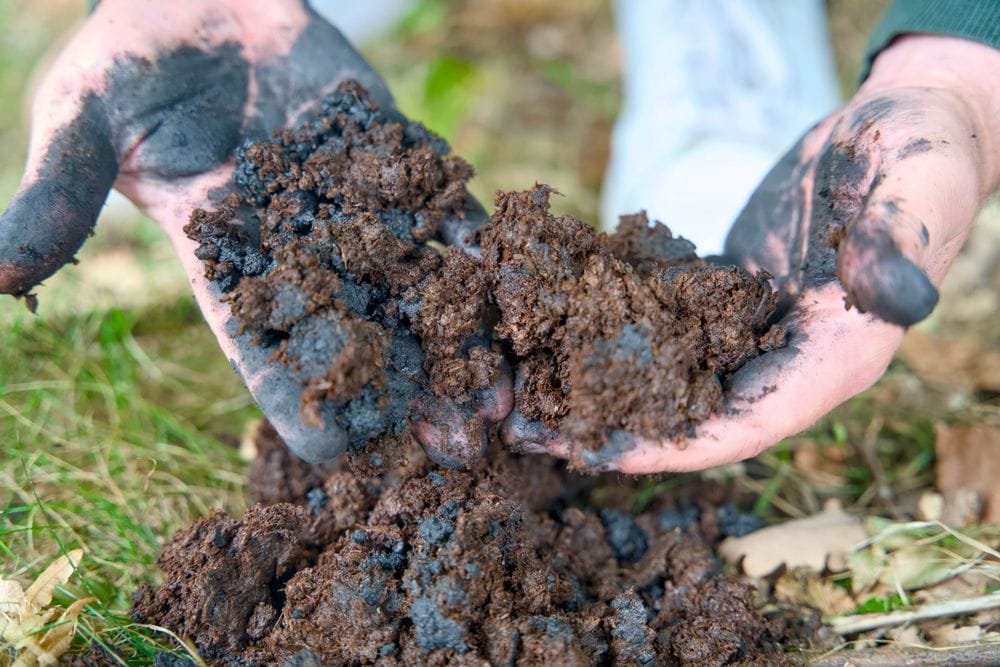
International Soil Conservation Day
Since 1963, 7 July has been devoted to something we tend to forget: soil is not “earth” in the abstract, but a living, complex system that takes centuries to form and can be degraded in a single season of abuse. The date honours Hugh Hammond Bennett, the scientist who persistently defended a simple and radical idea: without healthy soils, agriculture is impossible, and without agriculture, the rest of our conversations — about progress, security and the future — have no foundation. Erosion, desertification, deforestation, pollution from mechanised or chemical practices: degradation does not always make noise, but it always comes at a cost. Conserving soil means caring for fertility, certainly, but also for water, ecosystems and the very possibility that life may continue to find somewhere to take root.
World Kiswahili or Swahili Language Day
UNESCO proclaimed 7 July World Kiswahili Language Day (Swahili) to recognise the role of a language that not only communicates, but also weaves together region and memory. Spoken by more than two hundred million people and present across broad areas of sub-Saharan Africa, Kiswahili has been a commercial bridge, a cultural tool and a space of belonging, capable of sustaining diversity without losing unity. Its celebration is also a political gesture in the best sense: it champions multilingualism, dialogue between civilisations and symbolic redress against old colonial prejudices. In a world where small languages fade without headlines, casting light on Swahili affirms that every language holds an unrepeatable way of seeing reality.
International Condor Day
On 7 July, the Andean condor, “king of the Andes”, is honoured: an almost mythical presence that crosses mountain ranges and borders from Venezuela to southern Chile and Argentina. With its imposing wingspan, this bird fulfils a silent and essential role: by feeding on carrion, it helps prevent the proliferation of bacteria and maintain ecosystem balance. Yet its survival is fragile: a low reproductive rate, habitat loss, poisoning, poaching and conflicts with livestock activities. Celebrating Condor Day is not to romanticise it, but to recognise that biodiversity is also lost through wear, habit and neglect. And that protecting it is protecting an entire chain of life at altitude.
World Cocoa and Chocolate Day
Since 2010, 7 July has celebrated cocoa and chocolate, but not only as pleasure: as shared history, economy and culture. Theobroma cacao — “food of the gods” — travelled from tropical territories and Mesoamerican ritual uses to become European luxury, global industry and an emotional symbol: a bar can be a snack, comfort or celebration. Behind its aroma are patient processes (harvesting, fermentation, drying, roasting) and also contemporary questions about sustainability and working conditions in production chains. This day invites us to taste consciously: to remember that chocolate is not born in its wrapper, but in farming communities, specific climates and economic decisions that can dignify — or make precarious — the lives of those who grow it.