
News
7 June: what is celebrated today
7 June seems like an «ordinary» day until you look closely: it speaks of what sustains us without us noticing. Safe food on the table, a respected birth, birds that maintain balance in cities and people who survive — cancer, stigma, a rare diagnosis — thanks to science and collective support. And, as a backdrop, International Museum Week reminding us that culture is also public health: it preserves memory, creates community and educates without raising its voice.
World Food Safety Day
This observance gives a name to a simple yet enormous idea: eating should not be a risk. Food safety means preventing invisible hazards —microorganisms, toxins, chemical contaminants— throughout the whole chain: production, transport, storage, sale and preparation. Because safety does not start in the kitchen; it starts much earlier, and it fails silently.
The 2025 focus, ‘Food safety: science in action’, fits perfectly with the spirit of the day: protocols, controls, traceability, research… but also everyday habits. Refrigerating properly, separating raw and cooked food, washing hands, respecting dates, cooking at a sufficient temperature. Food safety is a pact between governments, industry and consumers: if one party relaxes, the problem grows.
World Birth Rights Day
You are born only once, and yet the world has taken a long time to understand that this moment has rights too. This date seeks to defend childbirth and birth that are as untraumatic as possible, with respect, privacy, clear information and support. It speaks of the mother-baby bond as something biological and emotional, not as an optional ‘extra’.
The ten-point declaration circulated in recent years focuses on what is essential: recognising the baby's experience, caring for the mother during pregnancy, encouraging skin-to-skin contact, protecting breastfeeding, avoiding unnecessary interventions and ensuring that families can make informed decisions. Celebrating it is not about idealising childbirth, but about remembering that dignity and humane care should be part of the protocol.
World Swift Day
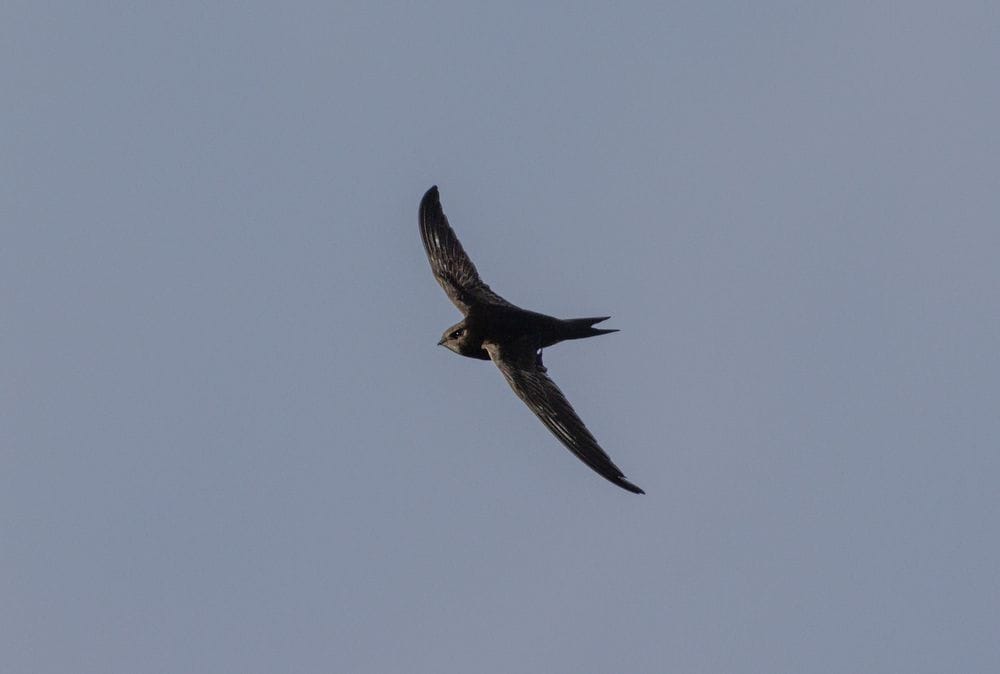
Some birds do not merely ‘pass through’ the city: they use it as a home. Swifts are almost pure aerodynamics: they spend most of their lives in flight, feed on insects and help maintain the urban balance without asking for anything in return. This is precisely why their decline is so worrying: building renovations that destroy nesting gaps, pesticides that reduce their food, pollution and rapid changes in habitat.
This observance invites us to look up at dusk, when their acrobatic flights become a choreography. And also to act with common sense: avoid exterior works during the breeding season, plan nests or cavities into new buildings, support local associations and, if you find a swift on the ground, take it to a rehabilitation centre (their care is very specific).
World Cancer Survivors Day
It is celebrated on the first Sunday in June (in 2026 it falls on 7 June; in 2027, on the 6th). It is a day to recognise those who have lived through cancer and carry on, often with invisible after-effects: fear of recurrence, fatigue, physical changes, grief for the life ‘before’, and the need for medical and emotional follow-up.
The word ‘survivor’ does not erase what was lived; it names it with respect. This observance serves to open up conversation about long-term care, rehabilitation, mental health, return to work and support for families. And to remember that celebrating survival does not mean denying pain: it means giving it a place and continuing to walk.
World Tourette Syndrome Awareness Day
Tourette's is often surrounded by misunderstandings, easy jokes and stigma. This date seeks the opposite: information, tolerance and support. It is a neurological disorder with motor and vocal tics that can vary in intensity and form, with periods of worsening and remission. Many people can lead a full life if those around them stop turning symptoms into a reason to single them out.
This observance is also a practical reminder: before correcting, look with empathy; before judging, understand. Living together becomes easier when difference stops being a spectacle and becomes part of what is human.
International Museum Week
From 2 to 8 June, MuseumWeek runs through these days as a cultural thread linking very different topics. Museums do not only exhibit: they educate, connect generations and explain science, memory and society. In a week that talks about safe food, rights, health and urban biodiversity, culture works as a community ‘immune system’: it gives us context, language and tools to act.
Taking part can be as simple as visiting a museum, following initiatives on social media using the week's hashtags, or sharing a personal story linked to an object, a photograph or a room that changed the way you see.