
News
8 April: what is celebrated today
There are days that do not fit into a single word: they mirror what we stand for and what still hurts us. 8 April comes with a particular sensitivity: it speaks of identity and dignity, of what we eat and how we produce it, of the everyday violence that can hide in a school corridor. Three different observances, one shared pulse: the need for respect, awareness and care.
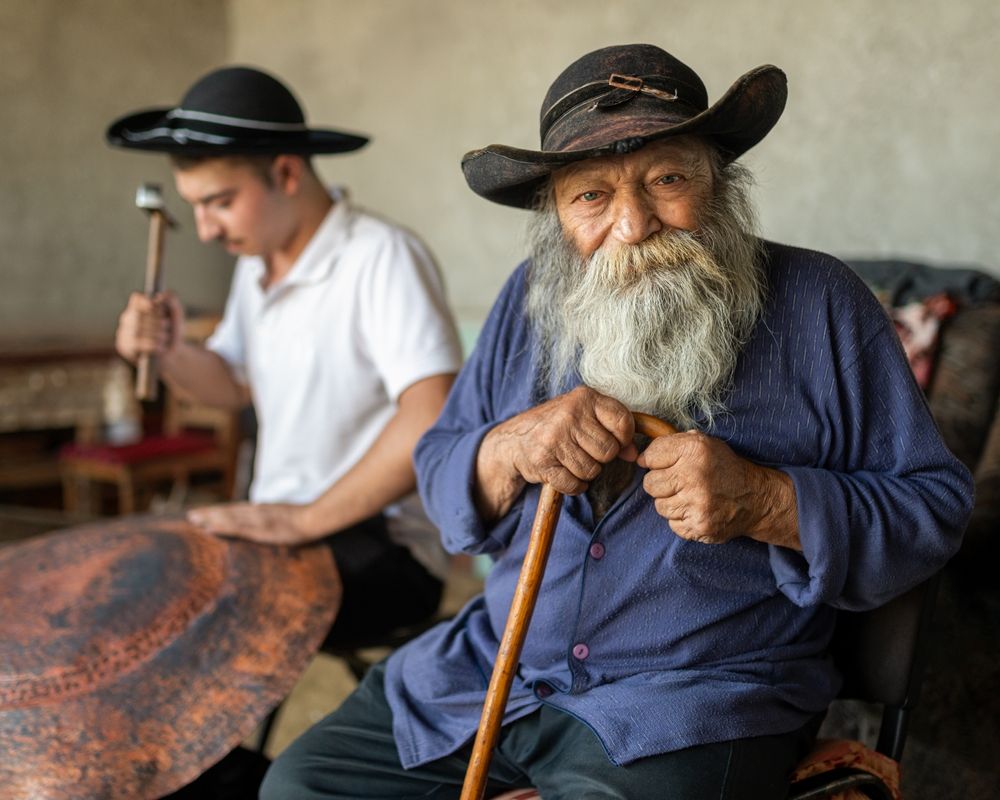
International Roma Day
8 April marks International Roma Day, a date to recognise the richness of a culture that has left its mark on the music, language, craftsmanship and memory of many countries. More than a folkloric tribute, this day seeks to break through the glass of stereotypes and look squarely at a history marked by resistance and creativity.
The date refers to the First World Romani Congress, held in London on 8 April 1971, where shared symbols were institutionalised: the green-and-blue flag and the anthem “Gelem, gelem”, composed by Jarko Jovanović, in remembrance of Roma people persecuted and murdered during Nazism. They are emblems that do not merely celebrate belonging: they also recall losses, exiles and imposed silences.
Today, the meaning of the day is unequivocal: to underline the right to a dignified life. Genuine integration, access to education, employment opportunities without discrimination, social recognition without conditions. Because culture does not flourish in a vacuum: it needs equality in order to live without fear, and a society willing to listen before judging.
International Day of Opposition to Genetically Modified Foods
The same 8 April marks the International Day of Opposition to Genetically Modified Foods, a day of global action promoted since 2006 by organisations in numerous countries. It arises from the desire to open debate — sometimes uncomfortable — about the agricultural model and the way biotechnology reaches our tables: what it promises, what it changes and what risks it may bring.
Genetically modified foods, also called GMOs, come from organisms modified through genetic engineering, with the aim of incorporating specific characteristics: resistance to pests, adaptation to difficult climates or production improvements. That list commonly includes crops such as maize, soya, canola, rice or cotton. Technology is not a magic word: it is a tool, and every tool calls for questions.
That is why this observance is not limited to saying “yes” or “no”, but instead demands transparency, independent research and informed decisions. It also reminds us that food is culture, territory and economy: when the countryside changes, the rural world changes; when traditional crops are displaced, biodiversity and food sovereignty are rewritten. Ultimately, it is about choosing with knowledge, not with misinformation.
International Day of Pink
8 April can also wear a colour that is not intended to be decorative. International Day of Pink — born in Canada and promoted since 2007 — was created in response to a simple and brutal incident: a student was bullied for wearing a pink garment, and other students decided to turn that gesture into a declaration of support. A tradition of solidarity was born from an everyday humiliation.
This day is observed on the second Wednesday in April and serves as a visible sign against bullying, homophobia, transphobia and discrimination. It does not ask for perfect speeches: it asks for presence. Sometimes, a community begins to change when someone dares to say “you are not alone” in the most direct language: that of a shared gesture.
In times of fast-moving networks and replicated mockery, International Day of Pink reminds us that violence can be silent, but complicity can be silent too. That is why it proposes something as simple as it is difficult: to educate the gaze, dismantle prejudices and build safe spaces. A colour, yes, but above all a promise: that difference should not be a target.