
News
9 July: what is celebrated today
9 July brings together very different commemorations, but all are shaped by the same question: how do we build a just society? From global calls to reduce armed violence to national memories that define identities and collective projects, this date invites us to reflect on the past and present as shared responsibilities.
International Day for the Destruction of Firearms
Every 9 July, International Day for the Destruction of Firearms is observed. It was promoted in 2001 after a conference held at United Nations headquarters on the illicit trade in small arms and light weapons. The day seeks to make the everyday impact of armed violence visible and promote concrete action to remove weapons from circulation.
Since then, thousands of citizens have handed in weapons for symbolic and actual destruction. However, the figures remain alarming: for every weapon destroyed, many more are manufactured. Organisations such as Oxfam insist that, without a firm commitment from states to limit production and trade, civil-society efforts are insufficient.
This day does not celebrate a victory, but signals an urgent need: fewer weapons mean fewer deaths, less fear and greater possibilities for lasting peace.
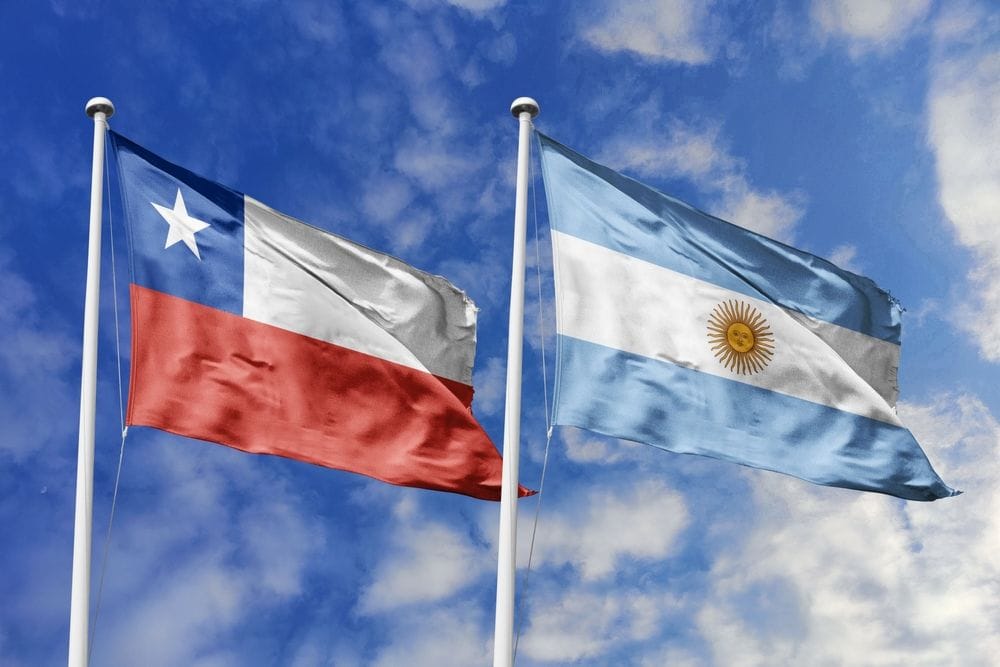
Chile's Flag Day
In Chile, 9 July marks Flag Day, a date steeped in historical symbolism. The so-called “Lone Star” is not merely a graphic emblem: it is a visual story of mountains, ocean, sky and sacrifice that has accompanied the country since its journey to independence.
The date pays tribute to the soldiers who fell in the Battle of La Concepción during the War of the Pacific. Since 1939, the Armed Forces have taken their oath to the flag on that day, recalling an idea deeply rooted in Chilean memory: the defence of the country as an act of collective dedication.
Although it is not a national public holiday, 9 July is experienced as a day of civic reflection, especially in schools and official ceremonies.
Argentina's Independence Day
9 July is one of Argentina's foundational dates. In 1816, the United Provinces of the Río de la Plata declared their independence from the Spanish monarchy at the Congress assembled in San Miguel de Tucumán.
The declaration was not a sudden gesture, but the result of years of debates, political tensions and conflicting projects concerning the territory's future. Finally, on that day, the will to be a free nation was proclaimed, free not only from Spain but from any foreign domination.
Today, Casa Histórica de Tucumán remains a place of living memory. 9 July is celebrated with official events, parades, family gatherings and school rituals that keep alive the question of what independence means in the present.