
News
Alert in Barcelona: processionary caterpillars invade parks and green areas
The first processionary caterpillars are already appearing in Barcelona. Residents report their presence in Montjuïc, Guinardó and Collserola. They can be dangerous for pets and people. The season is starting earlier than expected.
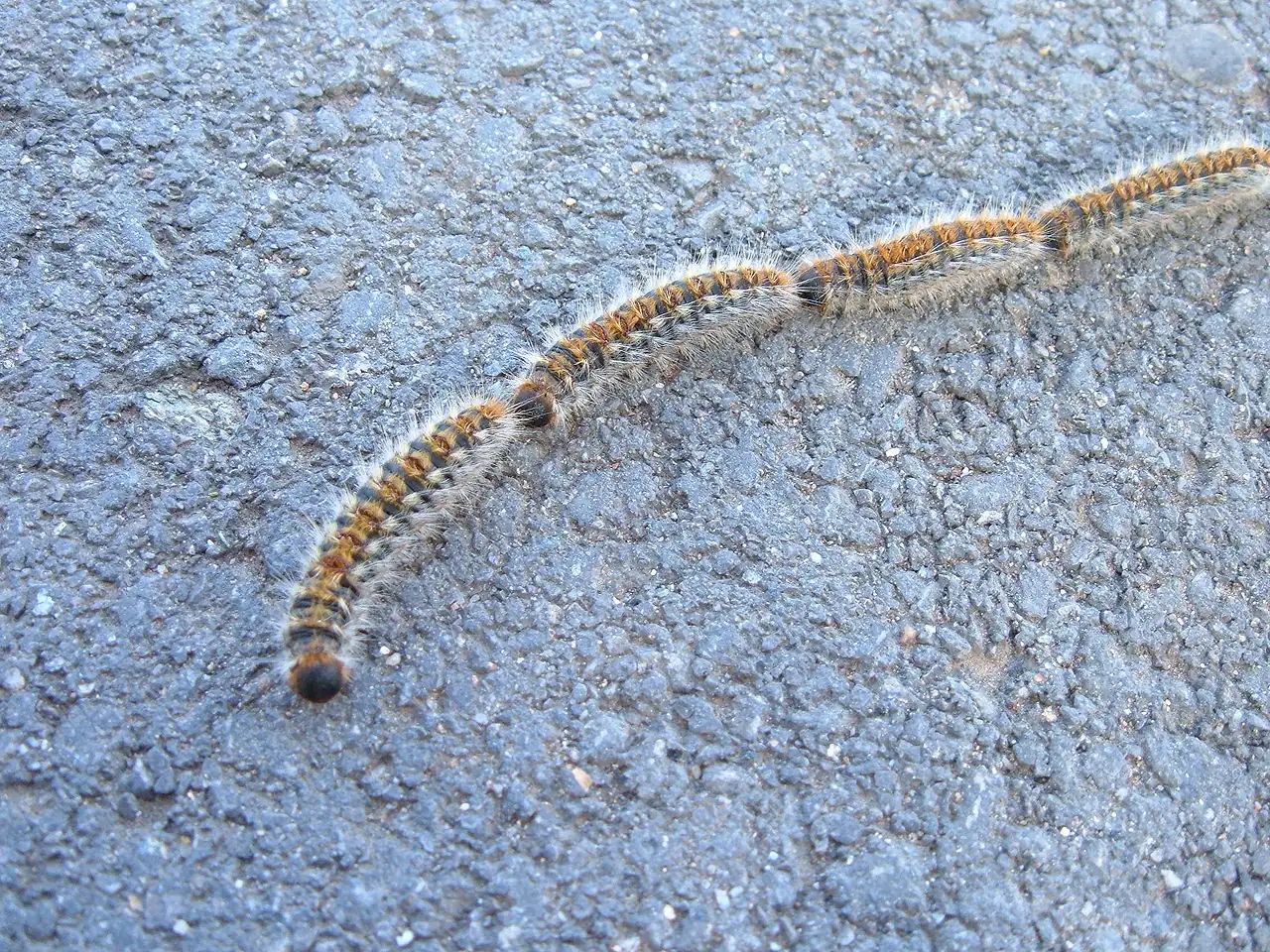
The first processionary caterpillars are already making an appearance in Barcelona. Residents report their presence in Montjuïc, Guinardó and Collserola. They can be dangerous for pets and people. The season is beginning earlier than expected.
The arrival of processionary caterpillars in Barcelona marks the start of a season that worries families and pet owners. These insects, which move in long lines across the ground, have already been sighted at several emblematic points in the city and its metropolitan area.
In recent days, residents have warned of the presence of these caterpillars in Montjuïc, one of the Catalan capital's green lungs. They have also been detected in parks in Guinardó and in the Collserola mountain range, widening the area of concern for those walking in wooded places. The situation is not confined to Barcelona: nearby towns such as Badalona and Sabadell have also recorded the first movements of these insects.
The pine processionary poses a real risk, especially to dogs and young children. Their urticating hairs can cause severe allergic reactions, so extra caution and avoiding direct contact are recommended. Their earlier appearance this year has surprised many people, forcing changes to usual routines and routes in urban parks and gardens.
The phenomenon usually intensifies as temperatures rise, which explains why the first groups have already been detected in the depths of winter. Authorities stress the importance of reporting new sightings and keeping pets under control while out walking.
The pine processionary is one of the most characteristic pests of Mediterranean forests. Its life cycle is closely linked to pine trees, where the caterpillars build silk nests in the highest branches. When they descend in procession to bury themselves and complete their metamorphosis, they become a public-health danger. In recent years, climate change has brought forward their appearance and extended their presence in urban environments, forcing cities to strengthen prevention and control campaigns.