
News
ARCO boosts Madrid's cultural life with record numbers and greater diversity
ARCO wraps up its most popular and diverse edition yet. Thousands of visitors and professionals fill IFEMA. Contemporary art takes on a bigger role in Madrid's cultural calendar. New acquisitions and institutional presence strengthen the sector.
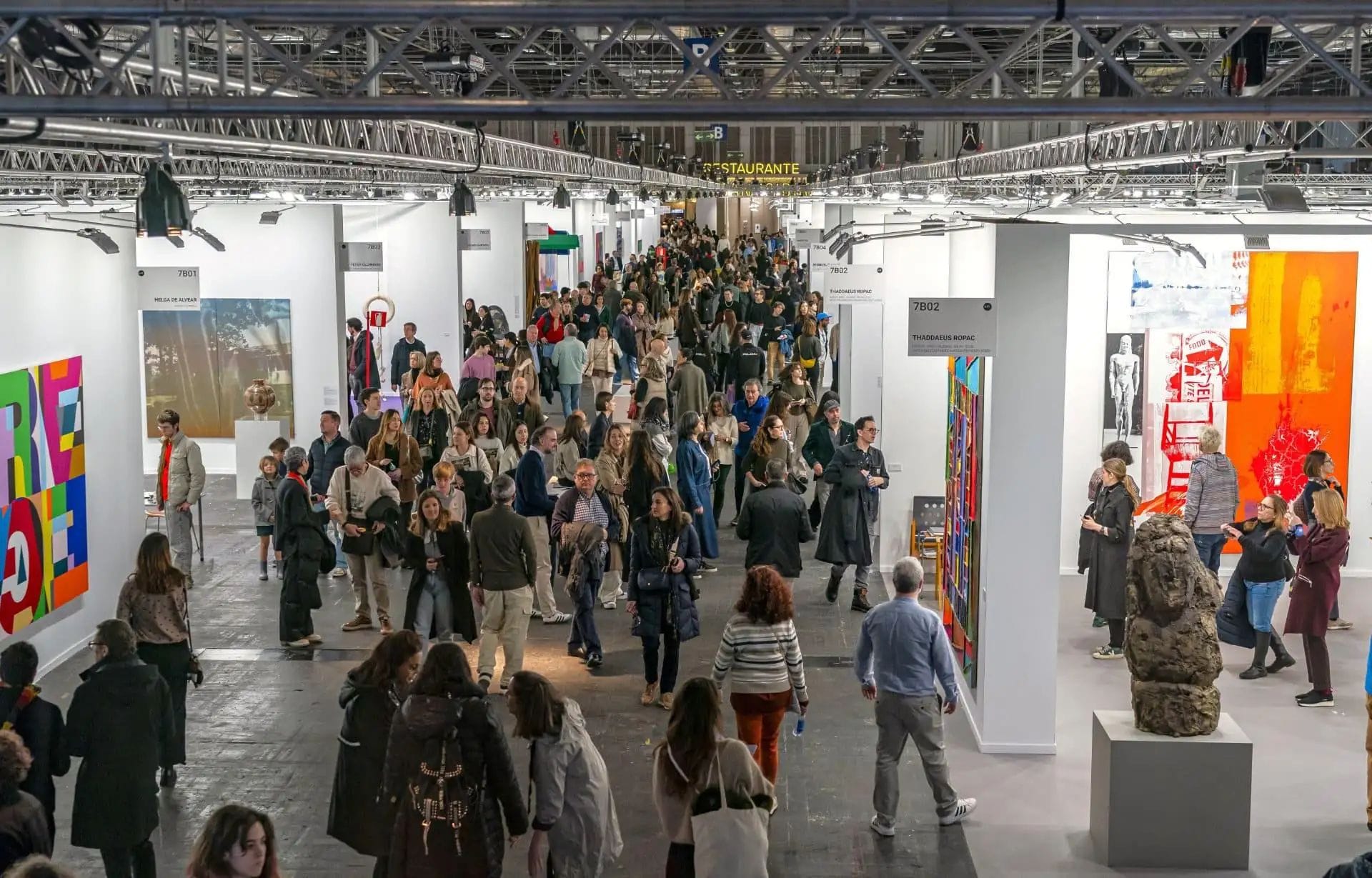
This weekend, IFEMA has once again been the epicentre of contemporary art in Madrid. The 45th edition of ARCO has brought together 95,000 visitors, consolidating the fair as one of the city's major cultural engines. The economic impact, estimated at 195 million euros, has been felt in hotels, restaurants and transport, especially in the neighbourhoods near the exhibition grounds.
Director Maribel López highlighted the professional atmosphere of the first few days and the response from the general public after opening on Friday afternoon. Around 40,000 international professionals have walked through the corridors of ARCO, where 211 galleries from 30 countries have shown works by 1,300 artists. According to the Women in the Visual Arts (MAV) report, women's presence has reached 40%, a figure that reflects the sector's evolution.
As is customary, the fair was visited by the King and Queen of Spain at its opening. Among the most relevant acquisitions, López stressed the role of the Reina Sofía Museum and the return of institutional purchases by the IVAM in Valencia and Es Baluard in Mallorca. The artistic route has ranged from historical names such as Miró, Picasso and Juan Gris to young creators in the Opening Nuevas Galerías section, where innovation and risk-taking have set the tone.
The curated sections and special projects have received a particularly positive reception, according to the organisation. The diversity of proposals and the mix of generations have made ARCO a reflection of the current moment in contemporary art, open both to experts and to those approaching it for the first time.
ARCOmadrid has become an essential fixture in the city's cultural calendar. Beyond the fair, its influence extends to museums, galleries and alternative spaces that intensify their programme during these days. IFEMA, as the venue, has known how to adapt to the new demands of the sector and the public, facilitating access and mobility in an area that is transformed every year to receive thousands of visitors. Madrid is already moving in that direction, reinforcing its position as a European cultural capital.